The Benefits of Almonds
We are On a Mission
To champion the incredible super-food that is the almond. For protein, for fiber, for simple goodness. For that signature silky crunch. For limitless potential, and sensational flavors. Nothing comes close.
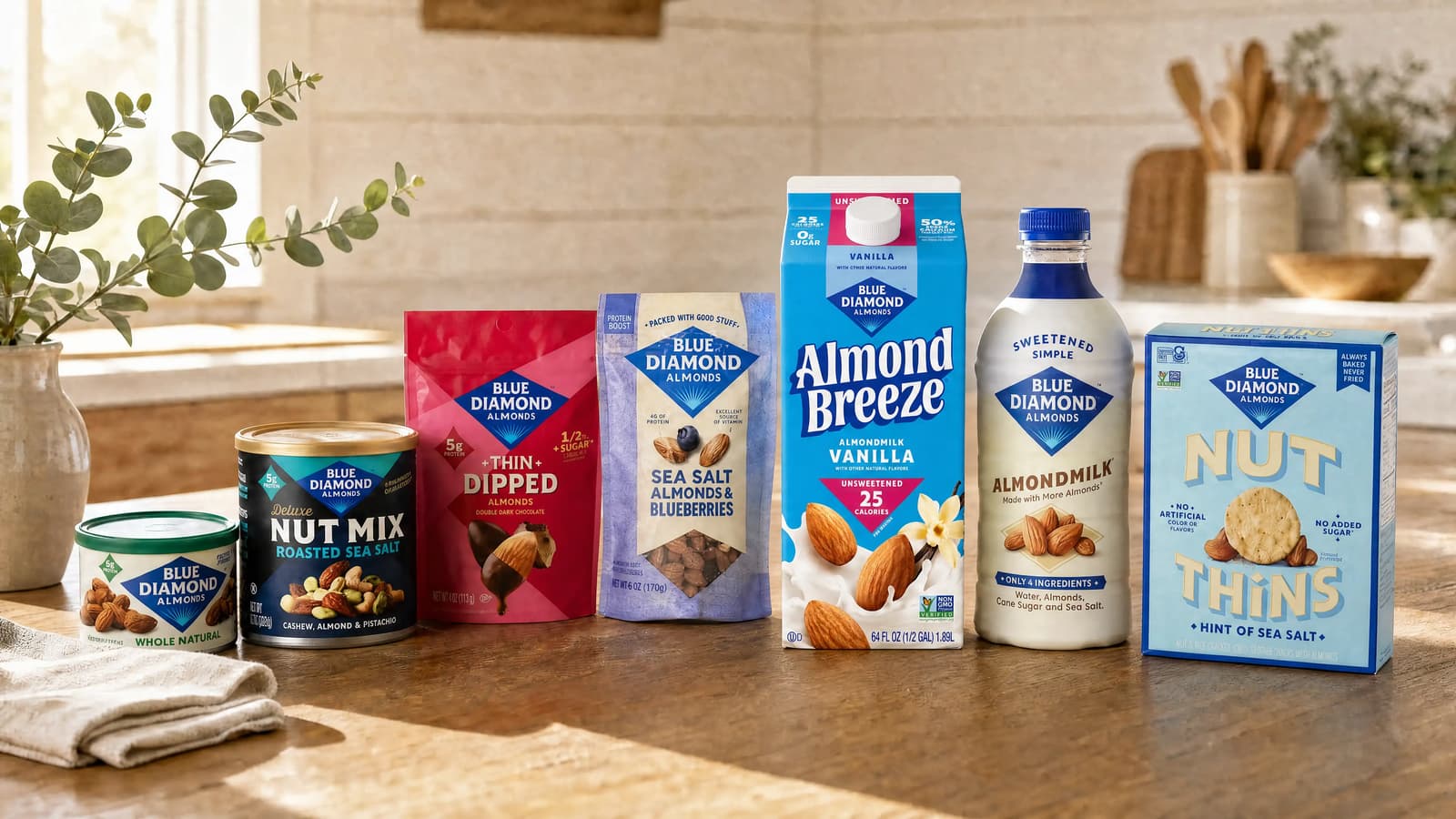
Why Blue Diamond®?
Turns out, the world’s greatest snack is also one of the world’s most nutritious. Protein, fiber, heart-healthy unsaturated fats, and so much more — see for yourself below.

Your Everyday Calcium Upgrade.
From coffee and smoothies to cereal and recipes, Almond Breeze® Almondmilk tastes delicious in the moments you use milk most, all while providing an excellent source of calcium to support strong, healthy bones.
*One serving of Almond Breeze® contains 460mg (35% DV) Calcium.
Power. Flavor. Greatness.
Blue Diamond® Almonds deliver a protein boost* and championship-worthy crunch. Every bite fuels, hits harder, and tastes better. When it’s time to snack, go for the G.O.A.T.
*Does not meet FDA standard of a good source of protein.
Meet Your Fiber Fix.
Blue Diamond® Almonds bring next-level crunch and a good source of fiber*, because a true champion’s snack should fuel you, not just satisfy your cravings.
*Not all Blue Diamond® Almonds contain a good source of fiber. Please see Nutritional Information for dietary fiber quantity per serving and fat content.
Vitamin E, The Everyday Hero.
Blue Diamond® Almonds are a powerhouse and pack an excellent source of antioxidant Vitamin E to help support immune health, making your snack game unbeatable.
75% More Almonds. Of Course We’d Use More Almonds.
Blue Diamond® Almondmilk is crafted by almond experts with 75% more almonds* because when you know almonds this well, more just makes sense.
*Per Serving Than the Leading Brands of Almondmilk.
American Heart Association Certified*
Blue Diamond® Whole Natural Almonds, Lightly Salted Almonds, and Roasted Salted Almonds are American Heart Association Certified as heart-healthy foods. Making them a great heart healthy snack.
*Scientific evidence suggests, but does not prove, that eating 1.5 oz. per day of most nuts, such as Almonds, as part of a diet low in saturated fat and cholesterol may reduce the risk of heart disease. See nutritional information for fat content.
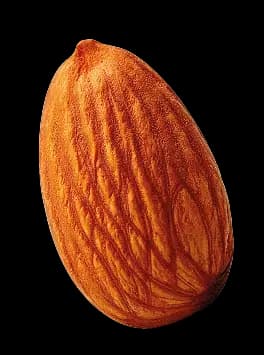
Almond Nutrition
Compared to other tree nuts, almonds come out ahead nutritionally.
| *100g Portion | Almond | Walnut | Cashew | Hazelnut | Macadamia | Pistachio | Pine Nut | Peanut |
|---|---|---|---|---|---|---|---|---|
| Calories (kcal) | 579 | 654 | 574 | 628 | 718 | 560 | 673 | 567 |
| Protein (g) | 21.2 | 15.2 | 15.3 | 15 | 7.9 | 20.2 | 13.7 | 25.8 |
| Total Fat (g) | 49.9 | 65.2 | 46.4 | 60.8 | 75.8 | 45.3 | 68.4 | 49.2 |
| Saturated Fat (g) | 3.8 | 6.1 | 9.2 | 4.5 | 12.1 | 5.9 | 4.9 | 6.3 |
| Polyunsaturated Fat (g) | 12.6 | 47.2 | 7.8 | 7.9 | 1.5 | 14.4 | 34.1 | 15.6 |
| Monounsaturated Fat (g) | 31.6 | 8.9 | 27.3 | 45.7 | 58.9 | 23.3 | 18.8 | 24.4 |
| Carbohydrate (g) | 21.6 | 13.7 | 32.7 | 16.7 | 13.8 | 27.2 | 13.1 | 16.1 |
| Dietary Fiber (g) | 12.5 | 6.7 | 3.0 | 9.7 | 8.6 | 10.6 | 3.7 | 8.5 |
| Potassium (mg) | 733 | 441 | 565 | 680 | 368 | 1020 | 597 | 705 |
| Magnesium (mg) | 270 | 158 | 260 | 163 | 130 | 121 | 251 | 168 |
| Vitamin B6 (mg) | 0.1 | 0.5 | 0.3 | 0.6 | 0.3 | 1.7 | 0.1 | 0.4 |
| Vitamin E (mg) | 25.6 | 0.7 | 0.9 | 15 | 0.5 | 2.9 | 9.3 | 8.3 |
| Calcium (mg) | 269 | 98 | 45 | 114 | 85 | 105 | 16 | 92 |
| Iron (mg) | 3.7 | 2.9 | 6.0 | 4.7 | 3.7 | 3.9 | 5.5 | 4.6 |
*All information is from USDA Food DataCentral (Almond NDB 12061, Walnut NDB 12155, Cashew NDB 12085, Hazelnut NDB 12120, Macadamia NDB 12131, Pistachio NDB 12151, Pine Nut NDB 12147, Peanut NDB 16087)
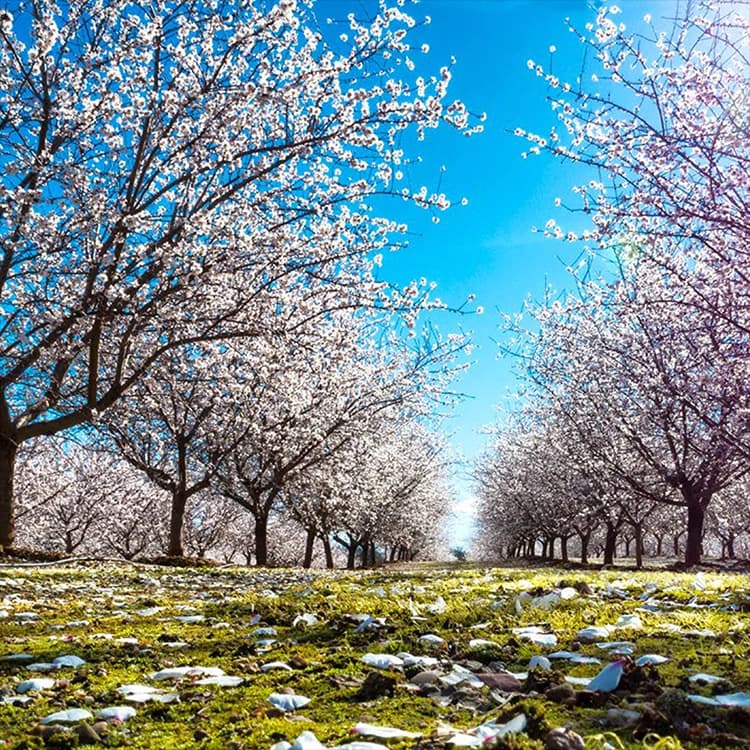
We are 100% Farmer Owned
We’re proud to be 100% farmer-owned with most of our orchards being small and family-run for generations.
With nature in mind, we’re supporting almond sustainability, and caring for our precious pollinators, the bee. Over the next five years, we’re on a mission to plant pollinator-friendly flowers in enough orchards to cover more than 70 square miles – imagine the impact. When you choose Blue Diamond, you’re not only savoring the best almonds, you’re supporting a tradition of care, community, and love for the land.