Our History
How We’ve Grown
How We’ve Grown
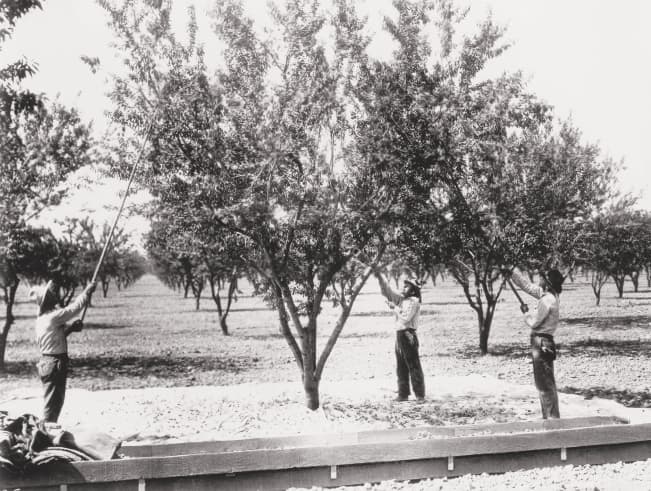
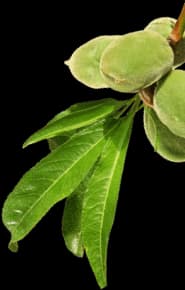
California pioneers find an ideal Mediterranean climate in the soils of Sacramento, Monterey and Los Angeles, where they plant their first almonds, giving birth to an industry.
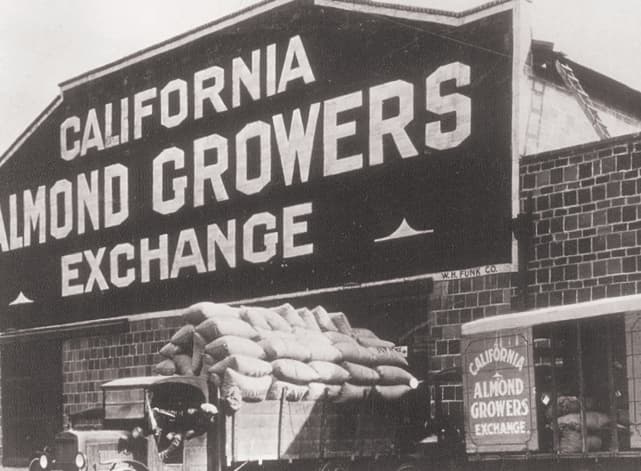
The California Almond Growers Exchange is founded, leading development of California’s almond industry from a minor domestic specialty crop to the world leader in almond production and marketing.
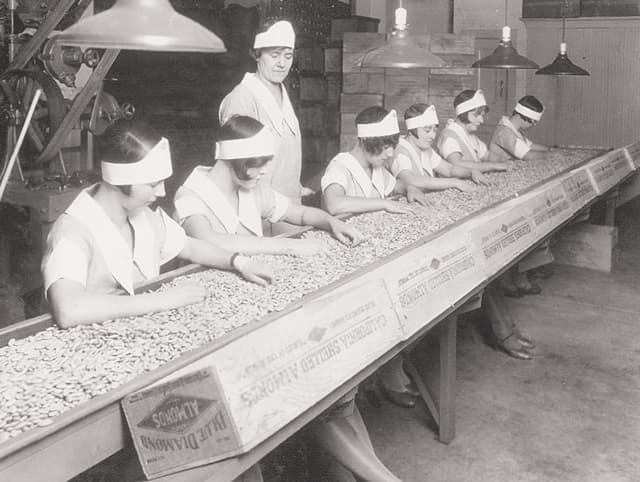
The Exchange opens a new receiving and packaging plant, which would later become the largest nut processing plant in the world, covering 33 city blocks on 90 acres.
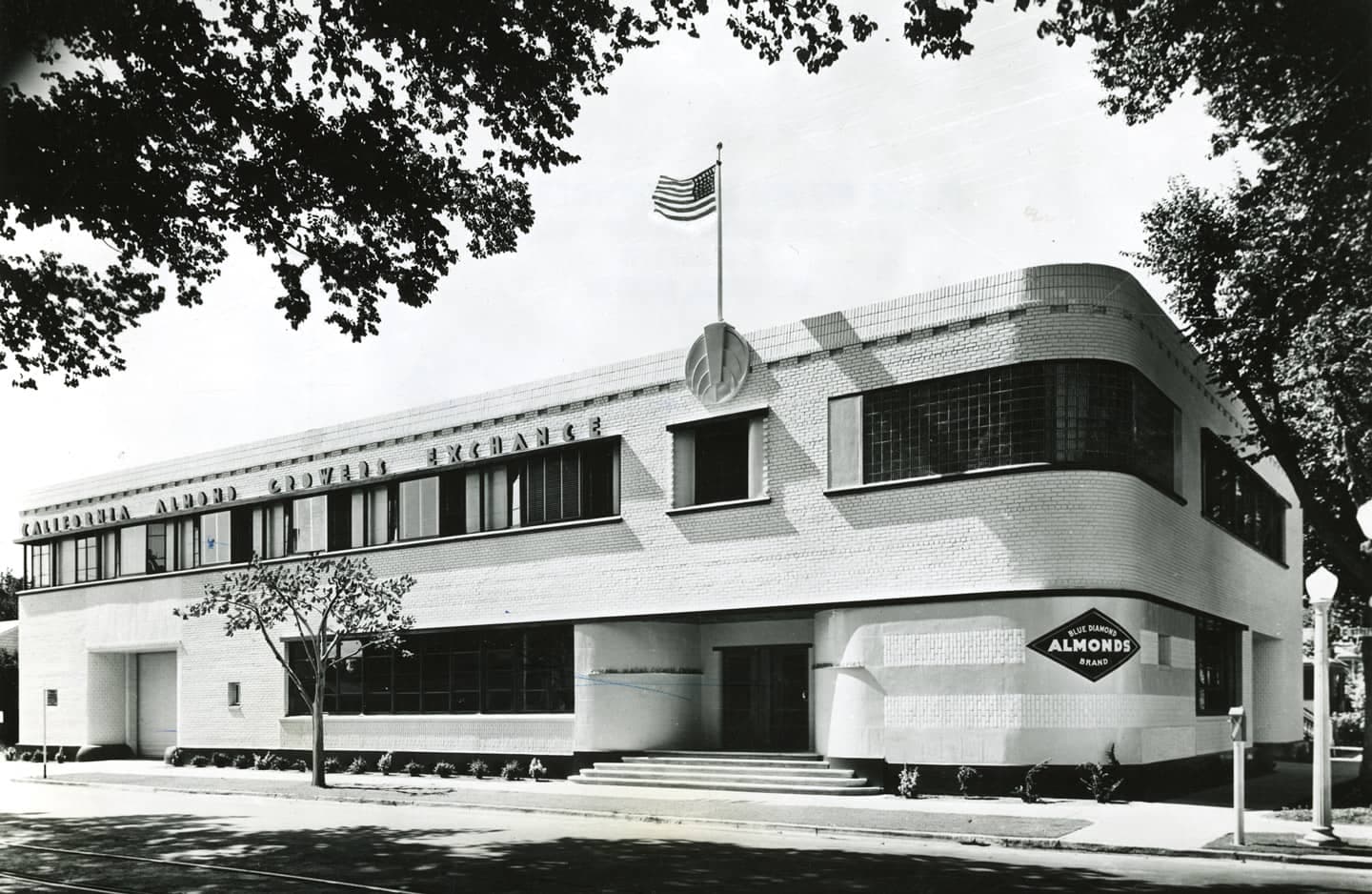
The Exchange adopts the blue diamond — the rarest in the world — as the symbol on its label, representing high quality and distinguishing it from Spanish and Italian imports.
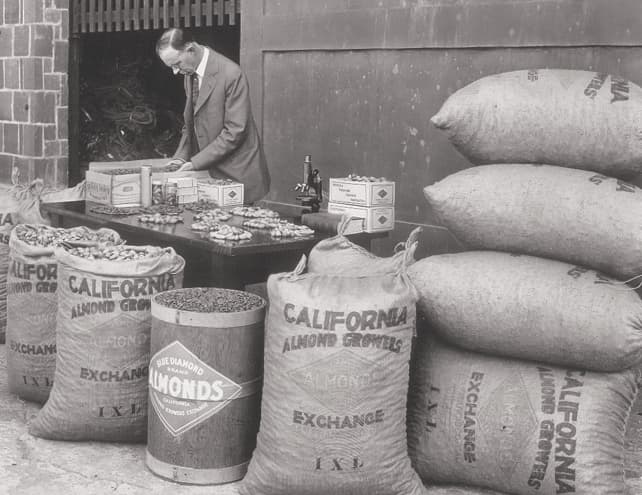

20 million pounds of almonds are delivered by four thousand almond growers.
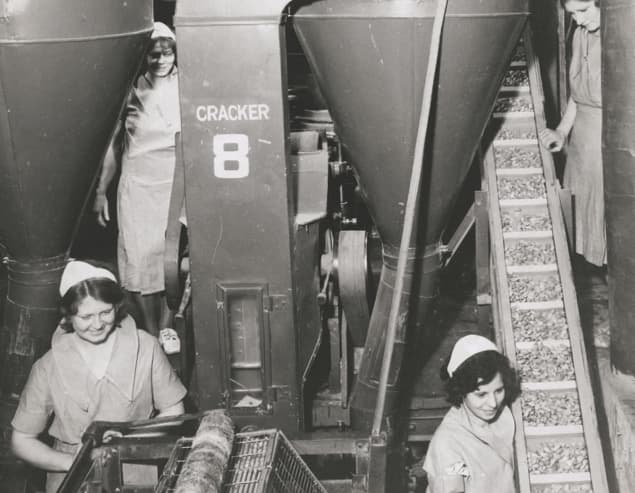
The Exchange innovates grading, shelling and other processes to increase market share. Mechanical test grading for quality is introduced.
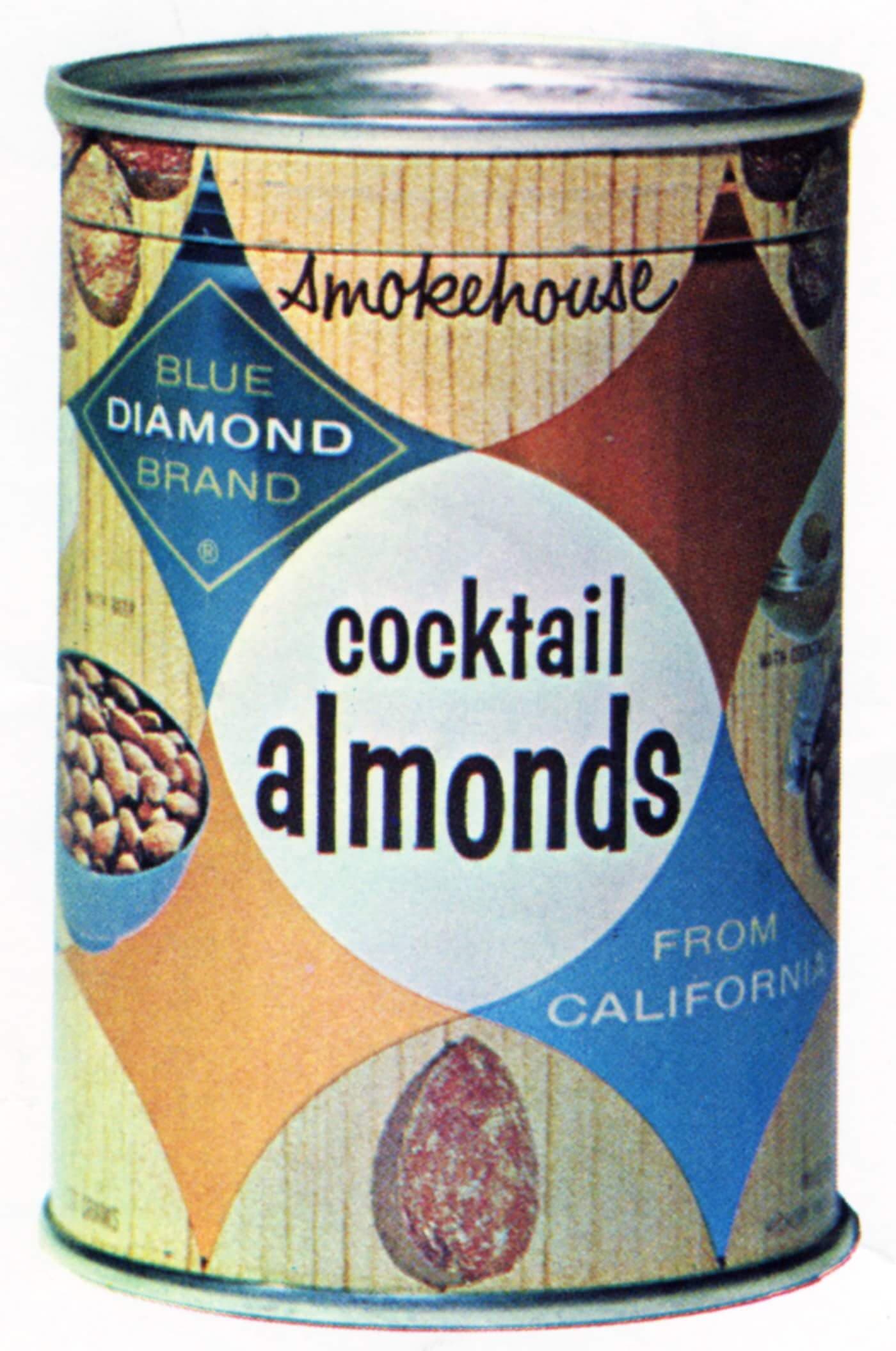
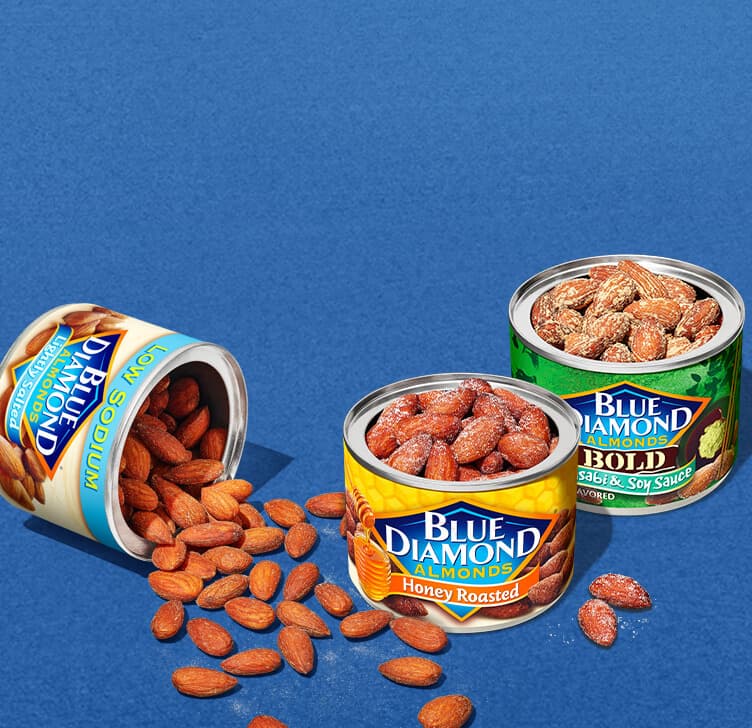
The 6-ounce can of Blue Diamond Smokehouse® almonds is first introduced.
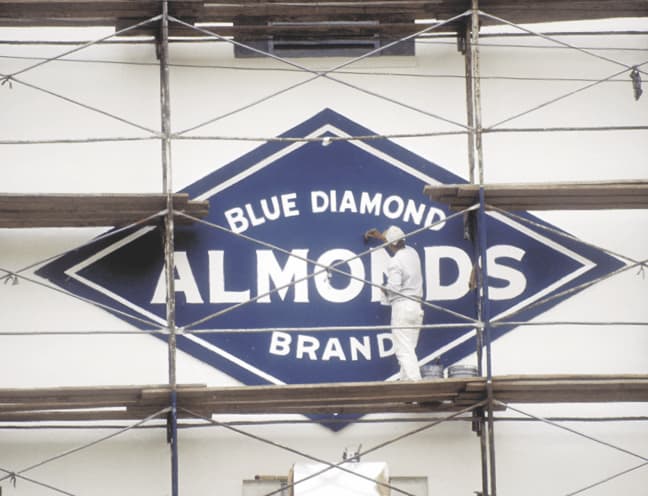

The Exchange officially becomes known as Blue Diamond Growers.
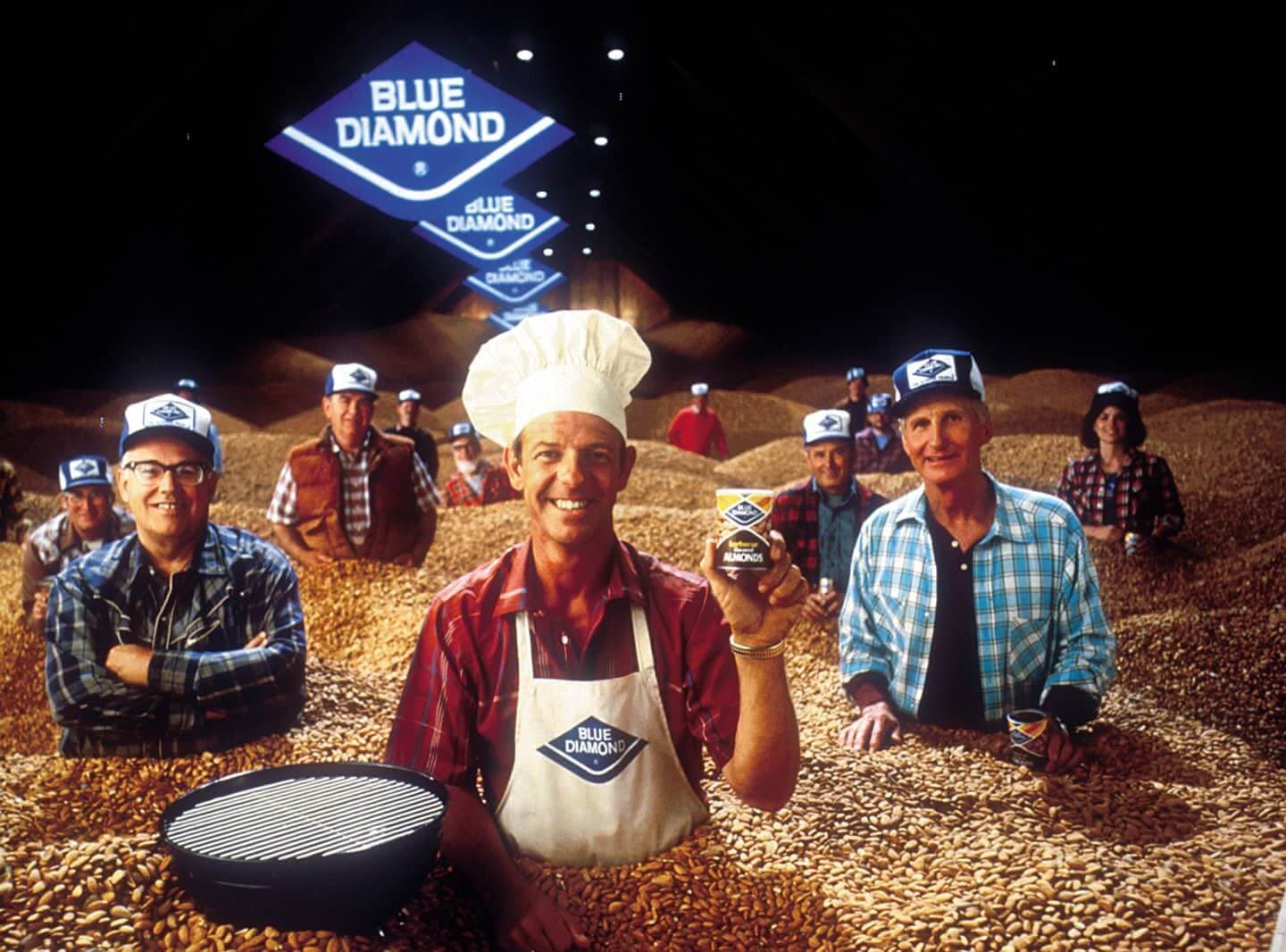
Blue Diamond launches A Can A Week ad campaign, in which real almond growers made the pitch “A can a week, that’s all we ask.”
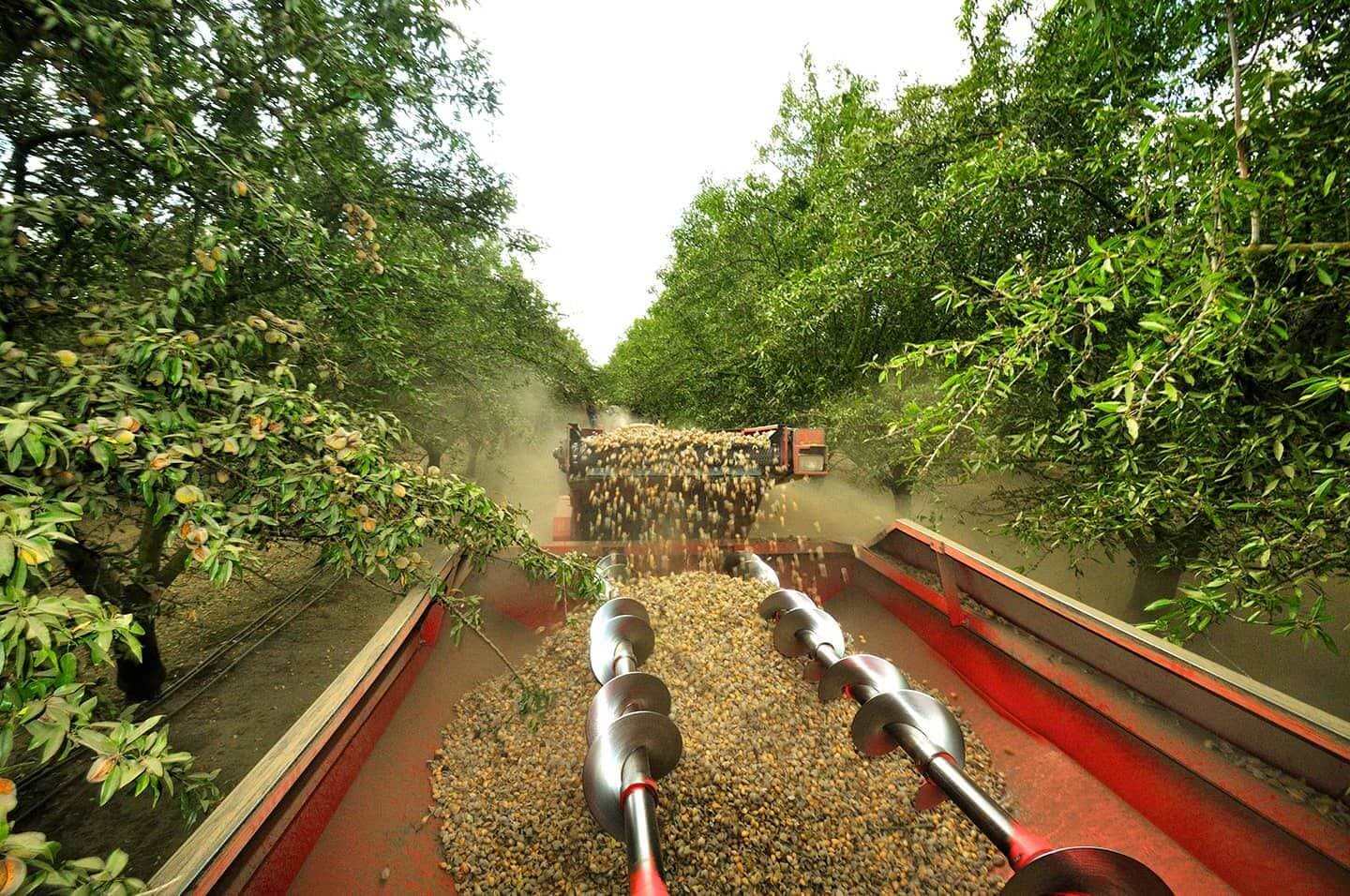
Over 1.5 billion pounds of crops delivered to keep up with record-breaking global demand.
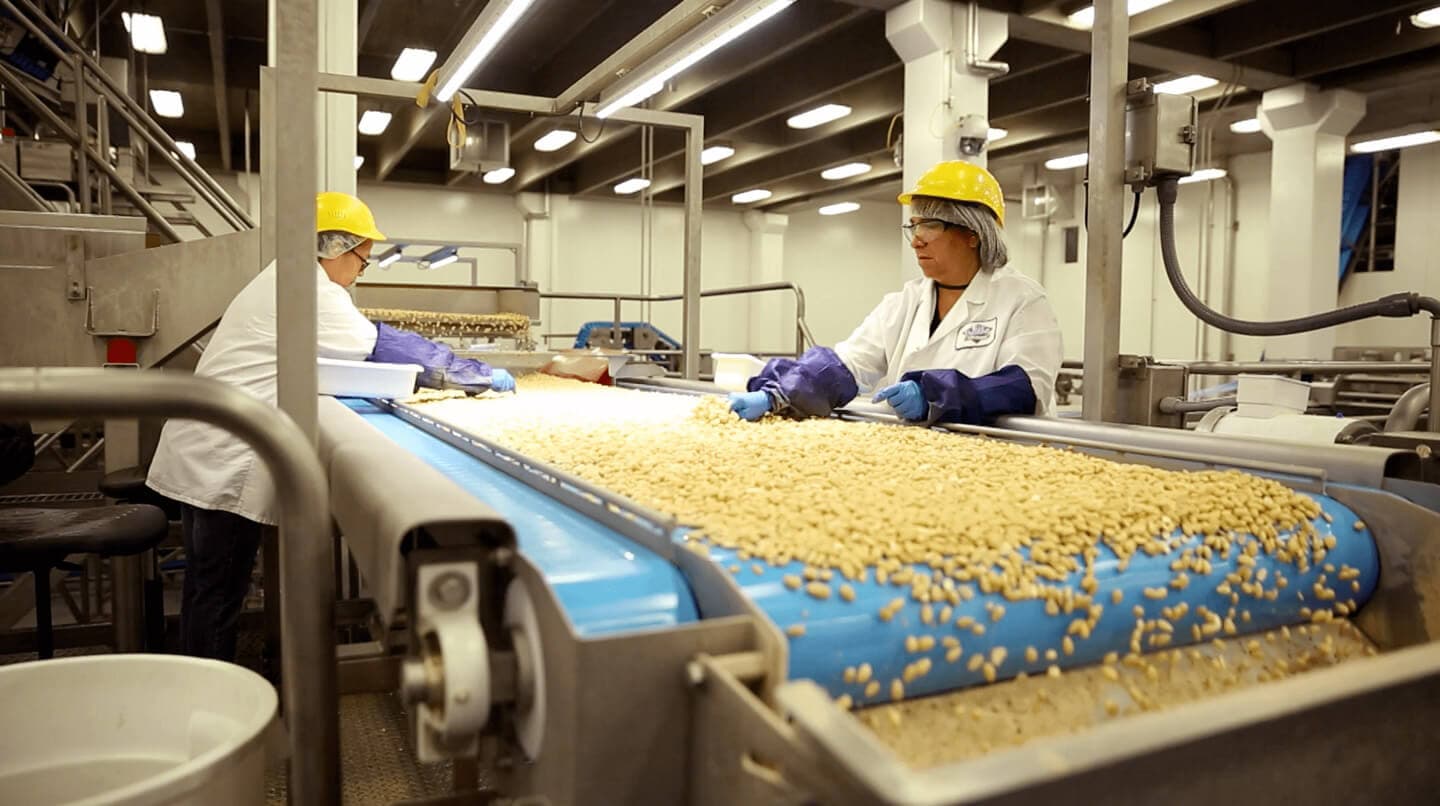
Blue Diamond doubles capacity by opening a new plant in Turlock, California, designed to create more value-added global products using state of the art technology.

The Blue Diamond Almond Innovation Center opens, becoming the world’s first and only research center dedicated to almond product innovation.
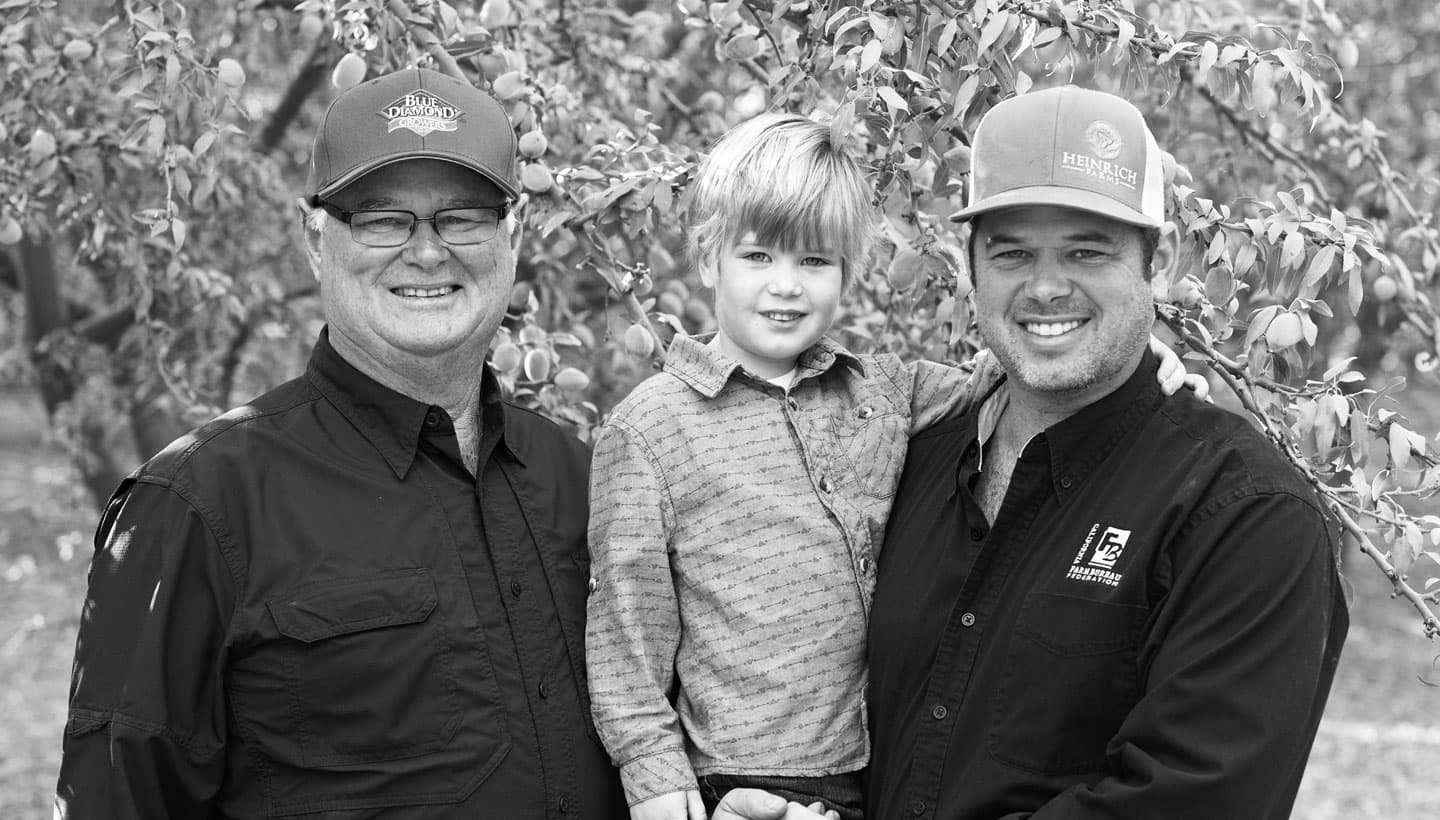
Working with a new generation of growers, Blue Diamond continues its legacy of bringing the benefits of almonds to the world.