Crop Progress Report – March 30, 2026
This report covers the conditions and activities observed from Monday, March 9 through Sunday, March 29, 2026. The next report is scheduled for Monday, April 27, 2026. In the event of any significant occurrences prior to that date, this site will be updated as soon as possible.
The 2026 post-bloom period has been typified by a lack of precipitation and summer-like temperatures throughout California’s central valley. Readings have run 10 to 20 degrees above seasonal norms, making the final days of winter feel more like summer. Daily maximum temperatures rose dramatically from the upper 70’s at the start of the period, reaching into the upper 80‘s and mid 90’s, setting new records on several days. Morning lows followed the trend set by the daily maximum values, rising from the low 40’s to upper 50’s and lower 60’s before settling back into mid-50’s by the end of the month.
The 2026 bloom presented growers with several challenges and several contradictions. The bloom is best characterized as “early and fast.” While the winter months provided just enough hours below 45 degrees to support dormancy, the chilling was by no means “deep chilling”. This is best demonstrated by the fact that there were no frosty mornings until the first week of January in nearly all areas of the central valley. Elevated temperatures during the bloom pushed flower development at a very high pace and inclement weather eliminated bee activity within the orchards for five days during the peak of bloom. Considering the bloom by itself, it is hard to imagine a crop larger than what was produced in 2025, and growers are reporting quite a bit of variation in their apparent crop loads.
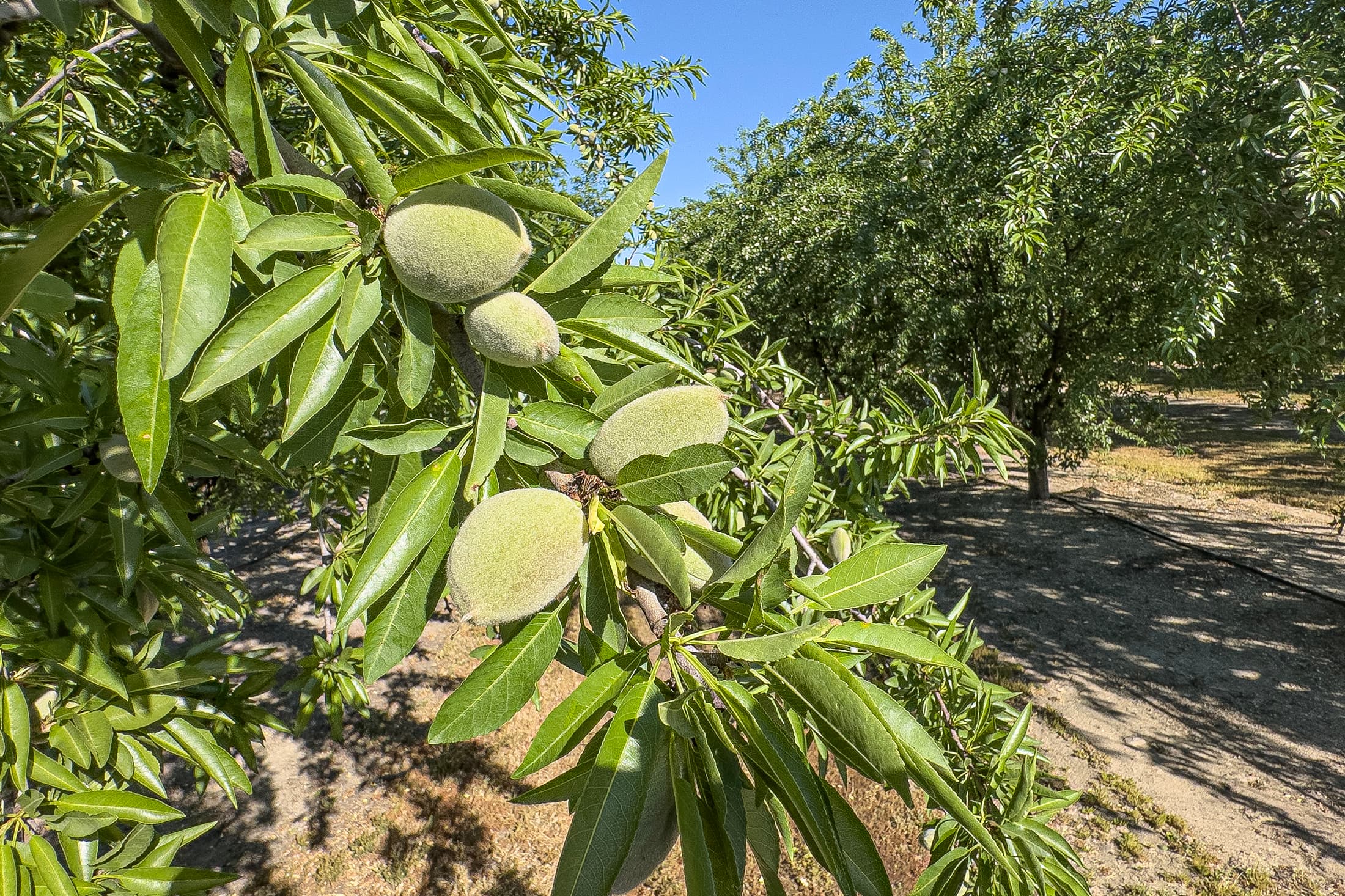
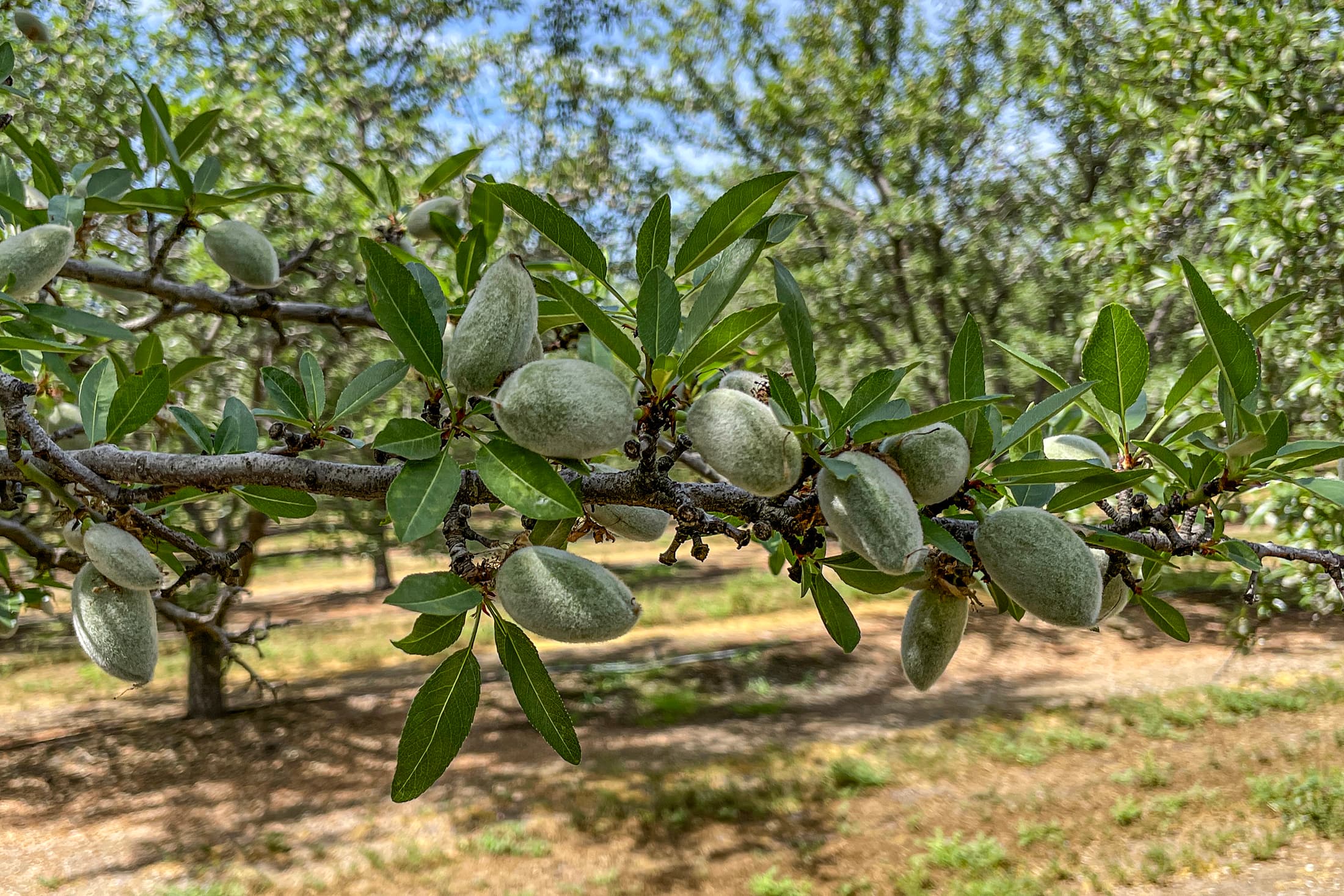
While the bloom had its share of issues, post-bloom conditions have been very supportive of the developing crop. In fact, some would say too supportive. Bright sunshine provides excellent support for photosynthesis and carbohydrate production. But temperatures running 10 to 20 degrees above seasonal norms also increases respiration, consuming carbohydrates and increasing the potential for stress. Some have noted that many orchards transitioned from the white of bloom to green foliage without passing through the “dirty” stage that describes the period when petals have fallen, prior to the leaves emerging. Taken by itself, this would normally be interpreted as having a poor crop set, as nutrients flow to push leaves, rather being consumed by the developing crop.
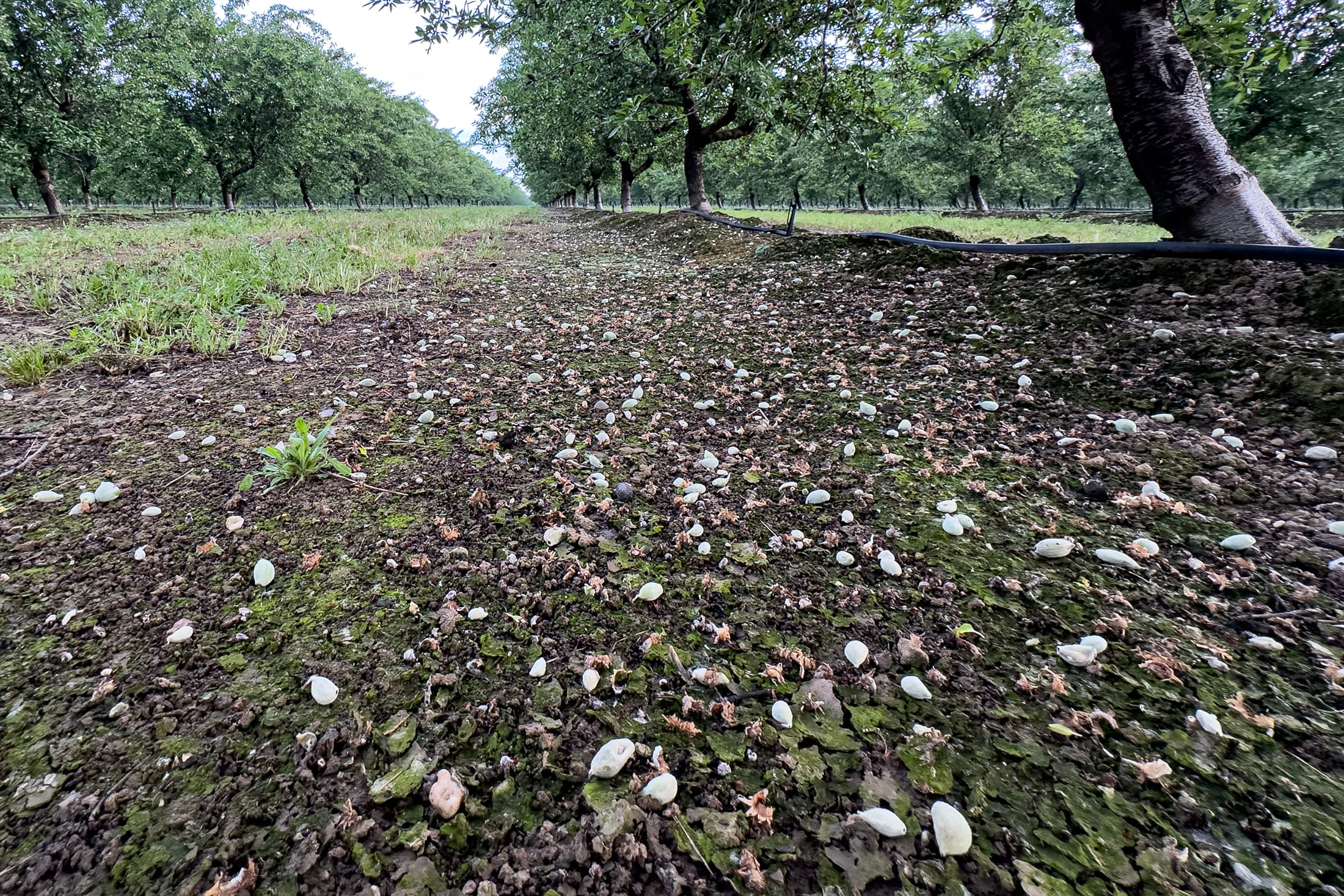
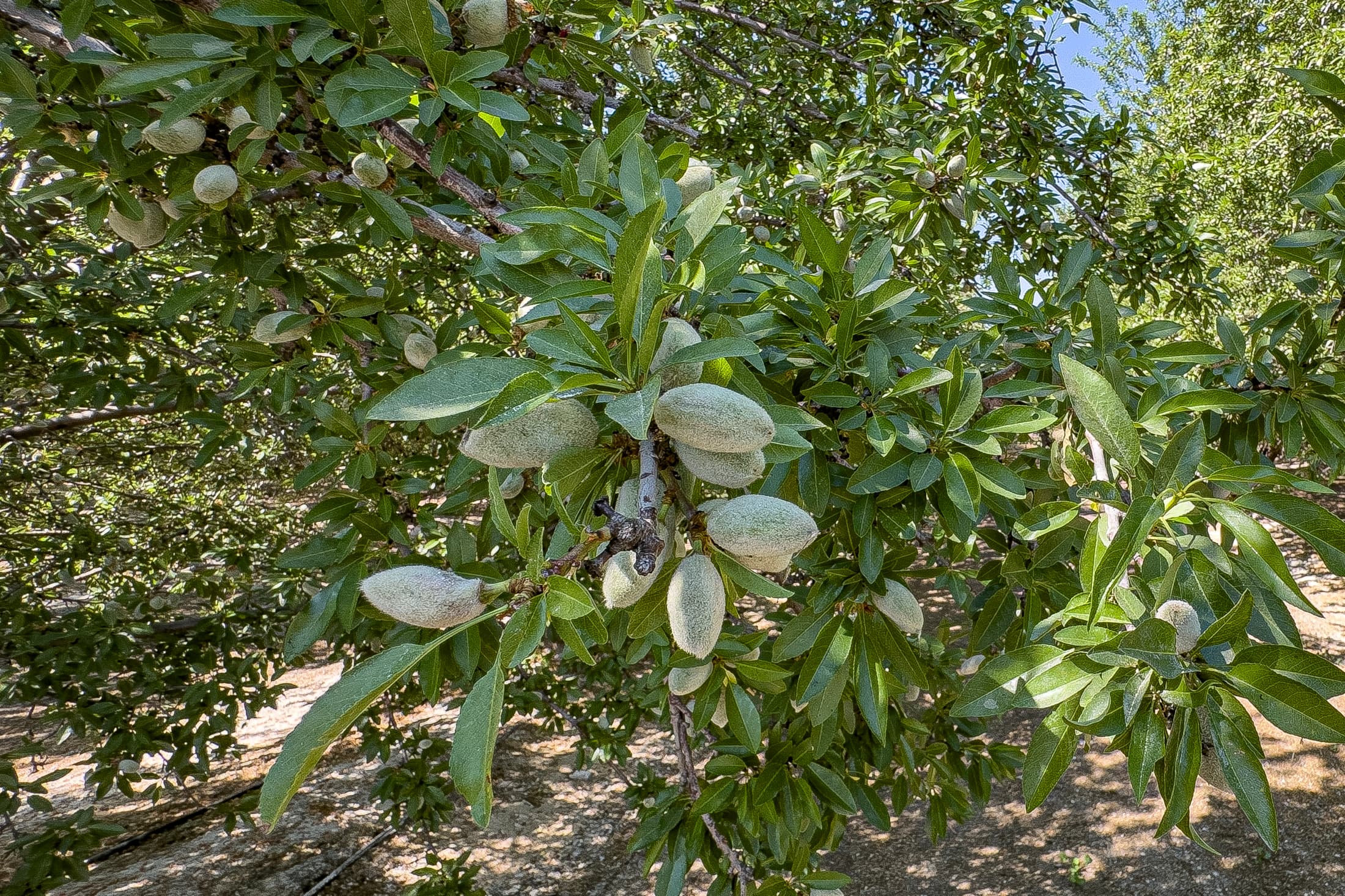
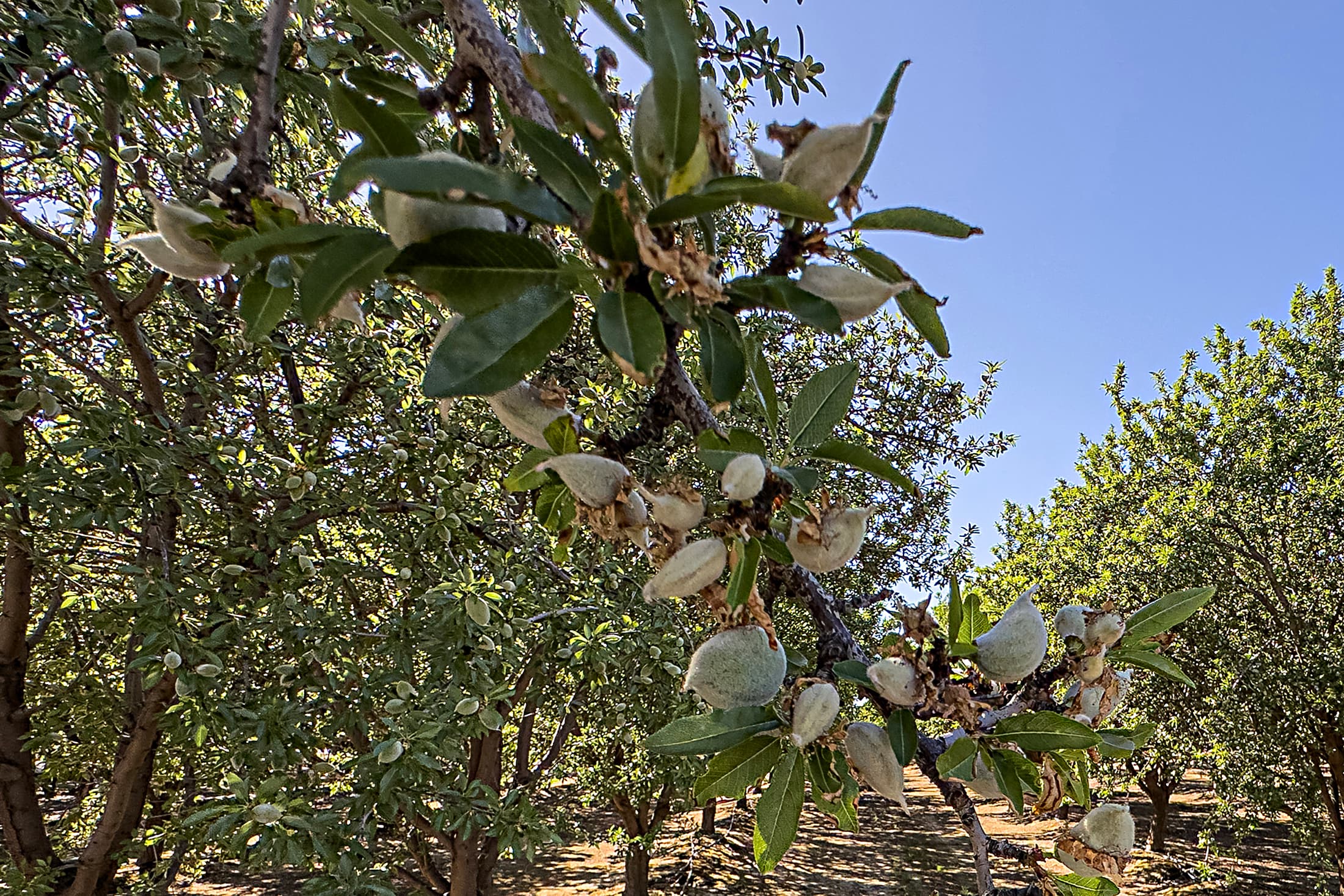
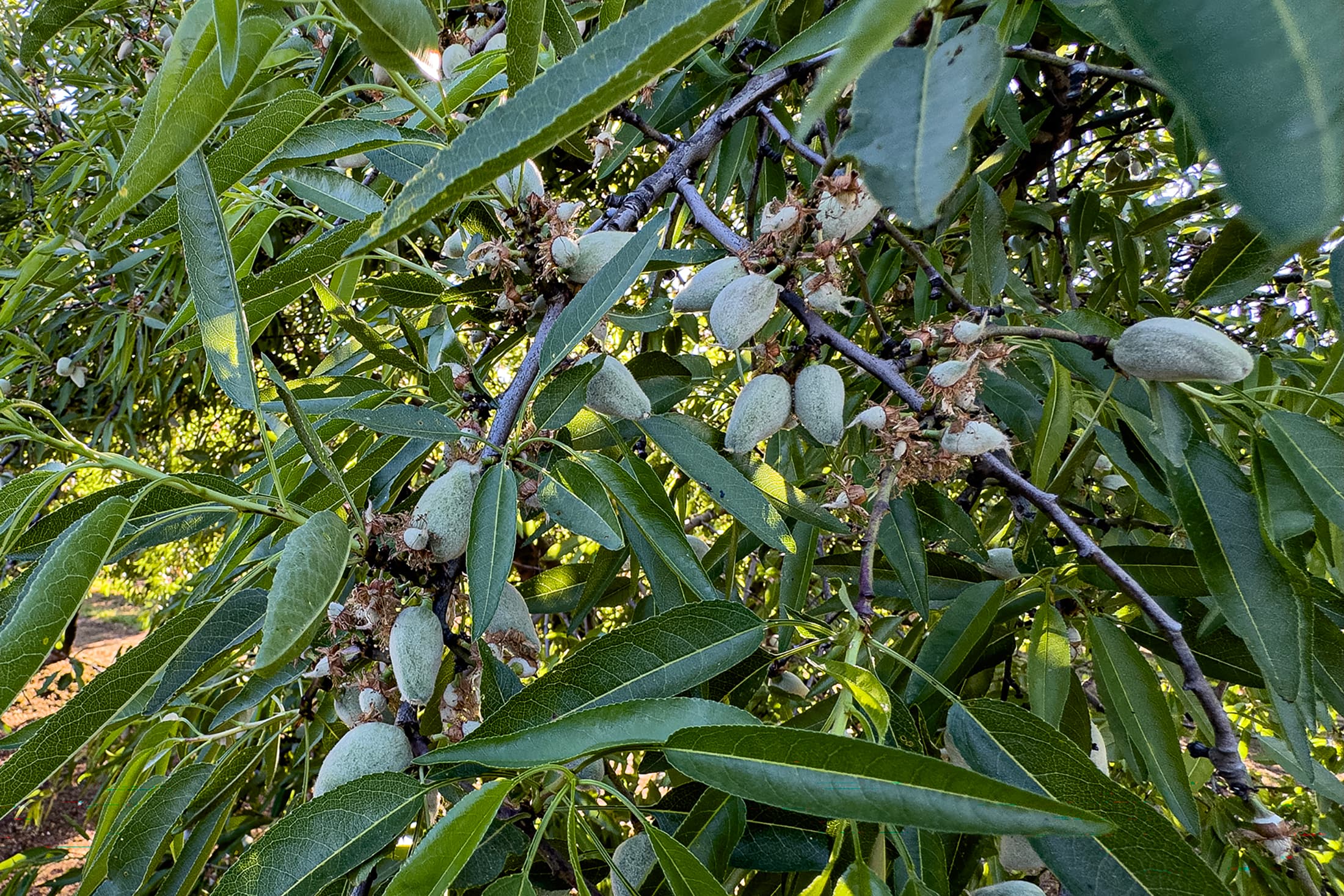
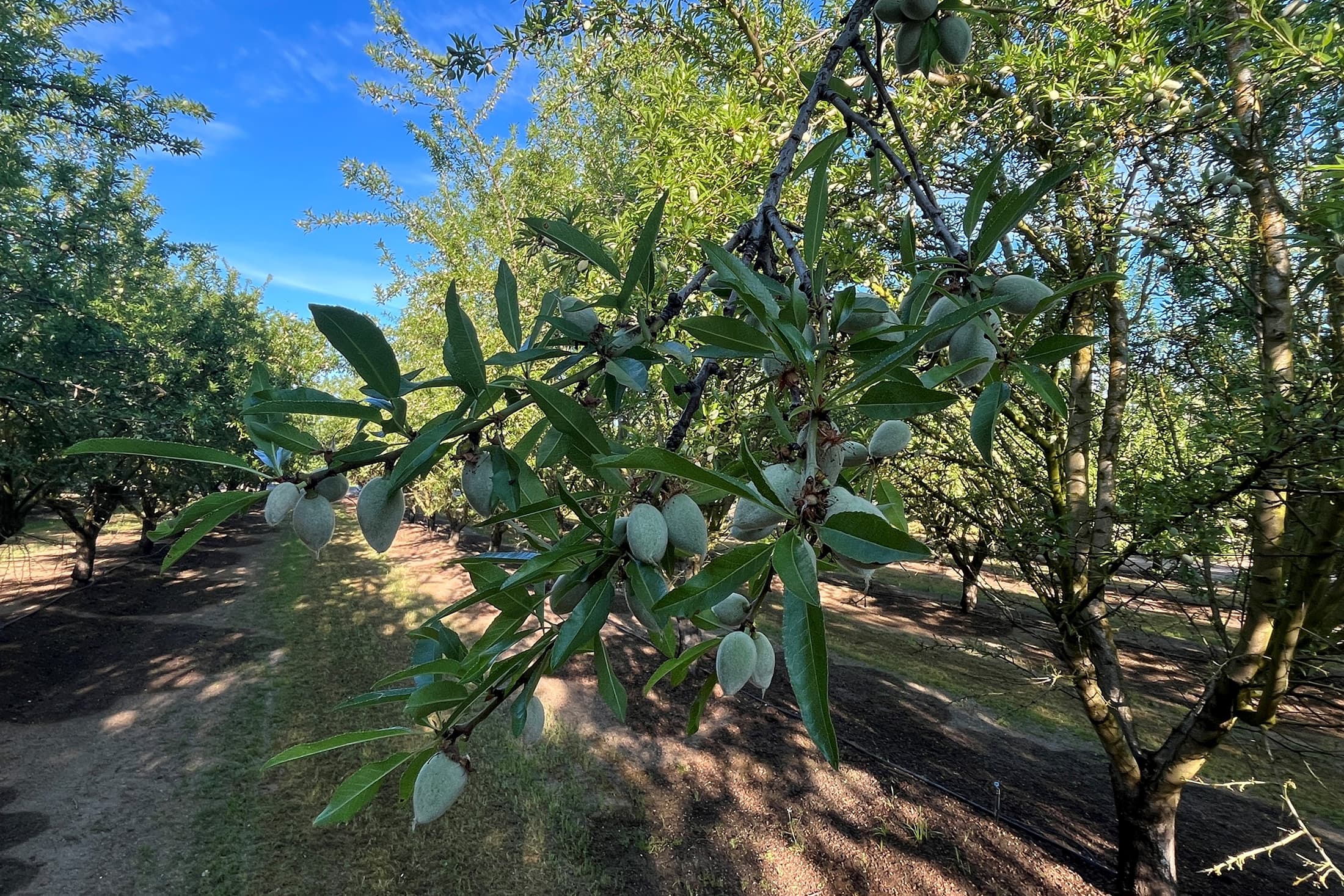
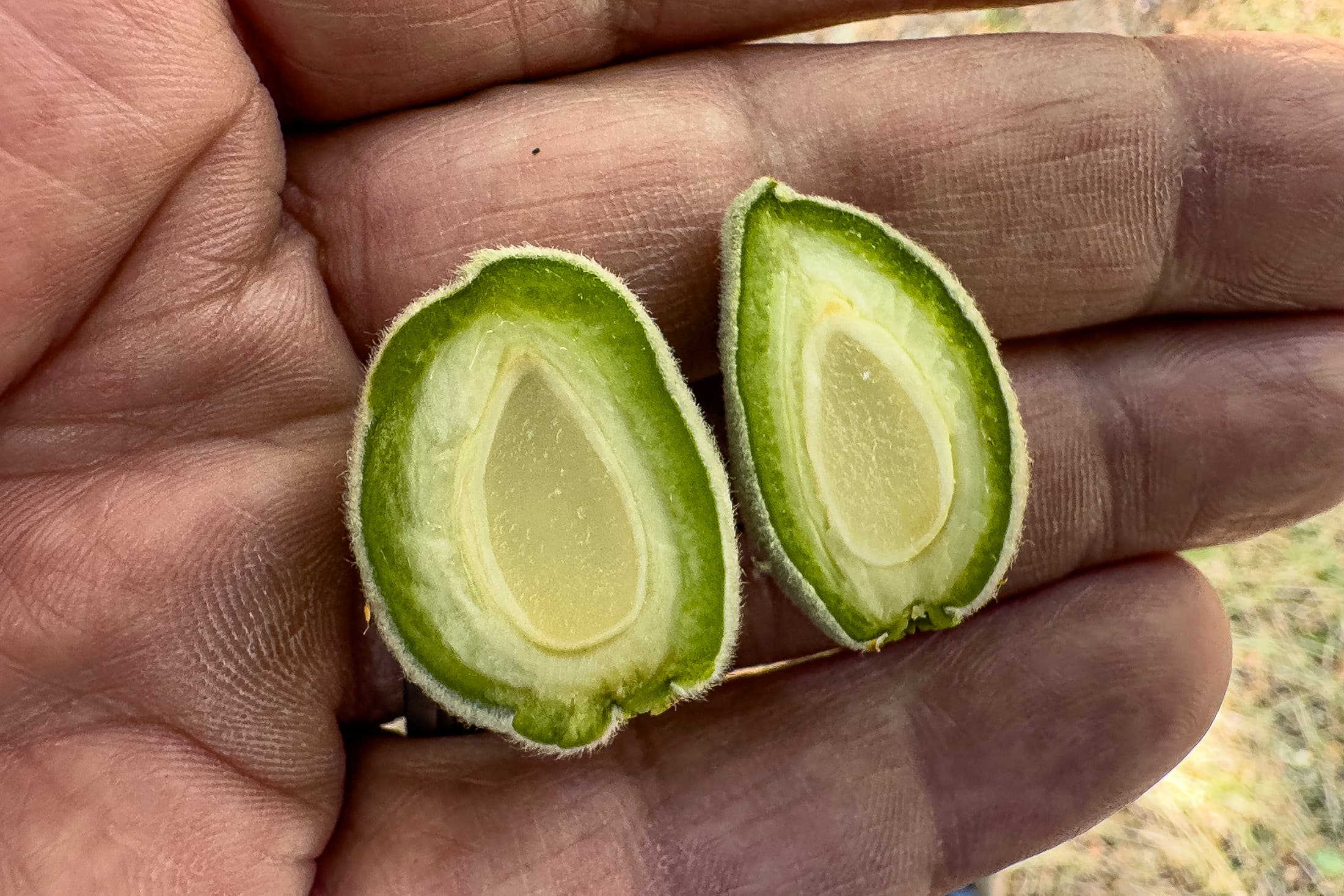
While all of this is “fun” to talk about, the final determination of each of these impacts remains to be seen. What we know today is that the “first shed,” those flowers that failed to be fertilized have been already been cast to the ground or are about to fall in the case of the late blooming Butte and Padre. And the processes that precede the “second shed,” where nuts that the trees are unable to carry to maturity are sequestered from the flow of nutrients is well underway, with advanced examples already shedding nuts to the ground. Both of these normal processes are running approximately two weeks ahead of normal, driven by the elevated temperatures.
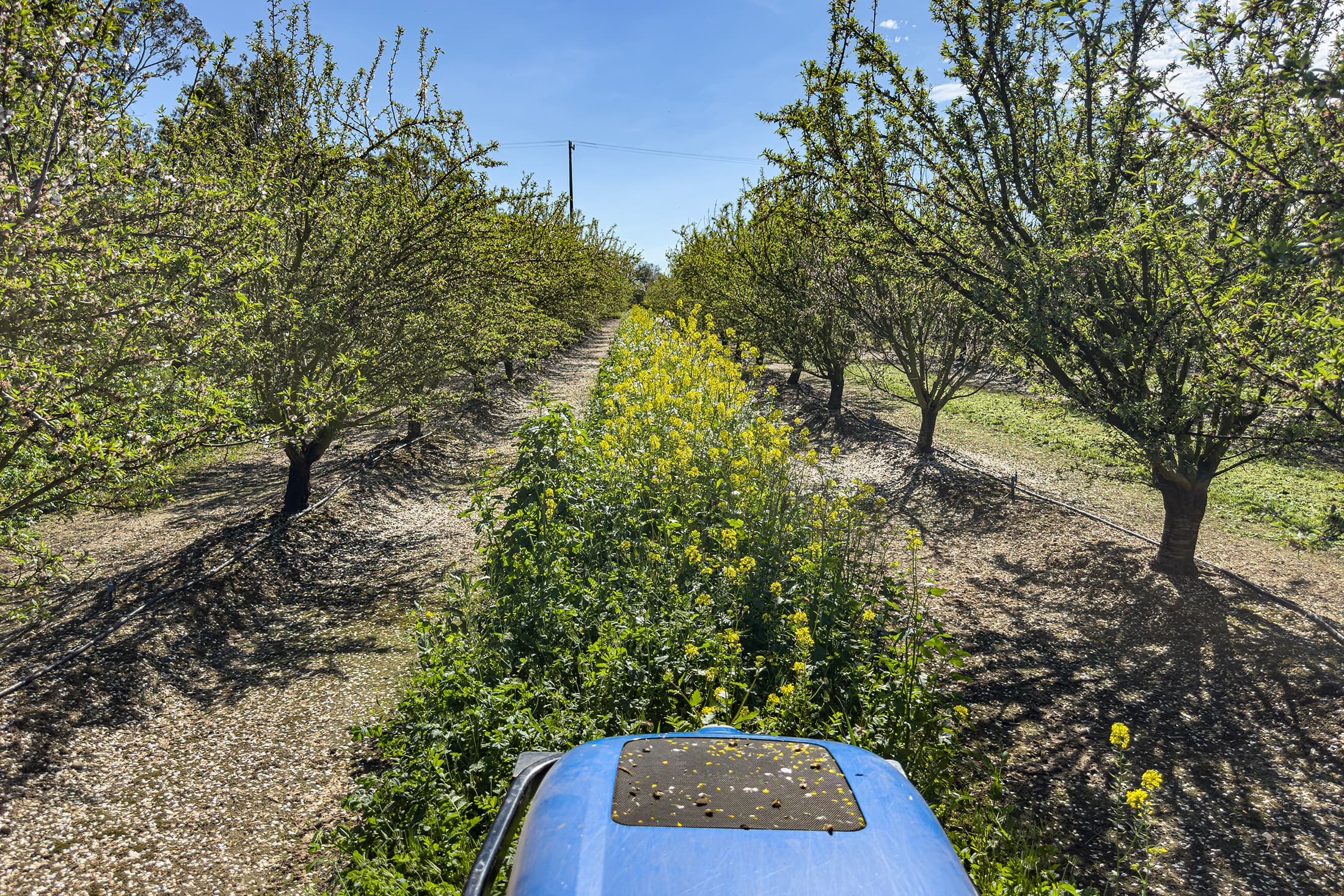
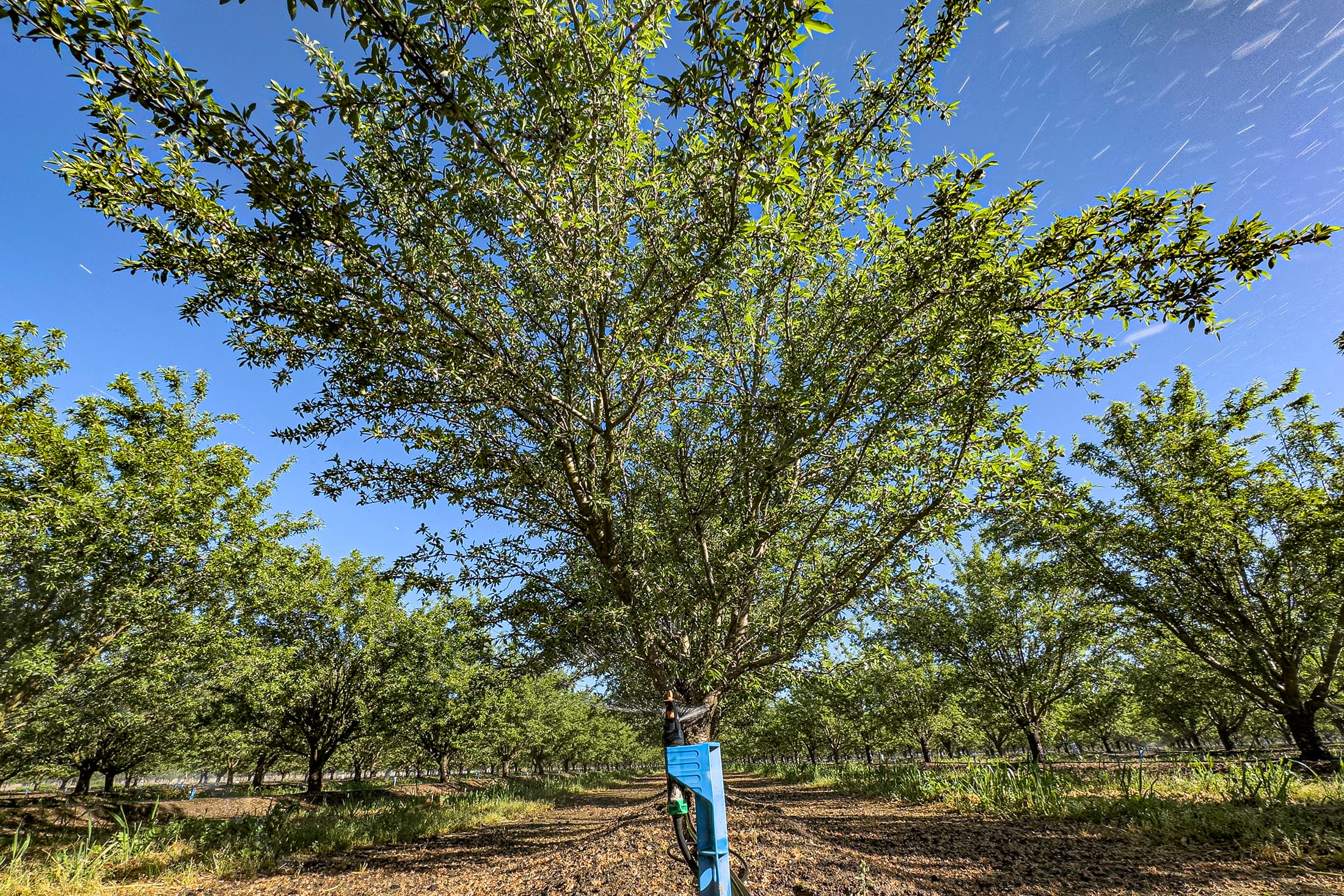
As previously noted, growers have been working diligently to keep up with their orchard’s needs, irrigating, fertilizing, and managing vegetation within the orchards. Growers have been injecting liquid fertilizer materials into the irrigation water, the most efficient means of providing nutrients for the developing crop. Growers have also been terminating cover crops or native vegetation within the “middles,” the area between the tree rows to reduce water consumption.
As for pest management, the elevated temperatures have also pushed insect development, and the typical complement of insect pests are running approximately two weeks ahead of normal. Growers and Pest Control Advisors, PCA’s, have noted finding several important plant bug species, Leaf-Footed Plant Bugs and Stink Bugs species in orchards in all growing regions. Box Elder Bugs have also been reported in San Joaquin County. Early season feeding by plant bugs kills the nuts, causing them to drop from the tree, while feeding after kernel hardening results in “Brown Spot,” rendering the nut inedible. Within the past week, Navel Orangeworm adult moths have also been caught in pheromone traps placed in the orchards to monitor their presence. Now that Navel Orangeworm has begun emerging from their over-wintering sites in the mummy nuts remaining in the trees, growers have begun hanging devices for designed to disrupt mating and reduce the population of insects remaining in the orchards.
Most growers have made at least one post-bloom treatment to prevent infection by Red Leaf Blotch. This is a new invasive fungal organism that has spread from a single orchard in Merced County in 2024 to most of the central valley by 2025. Treatments must be made prior to infection, and the organism takes approximately 40 days for symptoms to express following infection. Many orchards experienced severe infections in 2025 which caused significant levels of defoliation. University researchers have noted that two post-bloom treatments are required for adequate protection. Weather forecasters are predicting cooler conditions and a chance of rainfall over the first week of April, which researchers have shown will increase the risk of infection.
Over the coming weeks, irrigation and fertility will be focal points of grower activity. Growers and their PCA’s will also be monitoring plant bug populations as they work to protect the crop ahead of the harvest.
By Mel Machado
Photo Credits: Austin, Ashley and Mel