Crop Progress Report – August 3, 2026
This report covers the conditions and activities observed from Monday, July 6, through Sunday, August 2, 2026. The next report is scheduled for Monday, August 31, 2026. In the event of any significant occurrences prior to that date, this site will be updated as soon as possible.
Warm summer temperatures dominated the conditions in California’s Central Valley during much of July, with a significant heat wave developing during the final week of the period. Daily maximum temperatures ranged predominately between the mid- and upper 90’s to just over 100 degrees with highest temperatures reported in the southern San Joaquin Valley. Morning lows exhibited greater variability, with readings ranging from the low 50’s to lower 70’s, depending on the degree of cloud cover each morning. Temperatures were amplified by monsoonal moisture traveling northward, bringing occasionally cloudy skies and increased humidity. Increasing daytime temperatures materialized in the final days of the period, marking the start of a significant heat wave. Temperatures were reported to be between 102 to 105 degrees, with higher temperatures forecast for the first week of August.
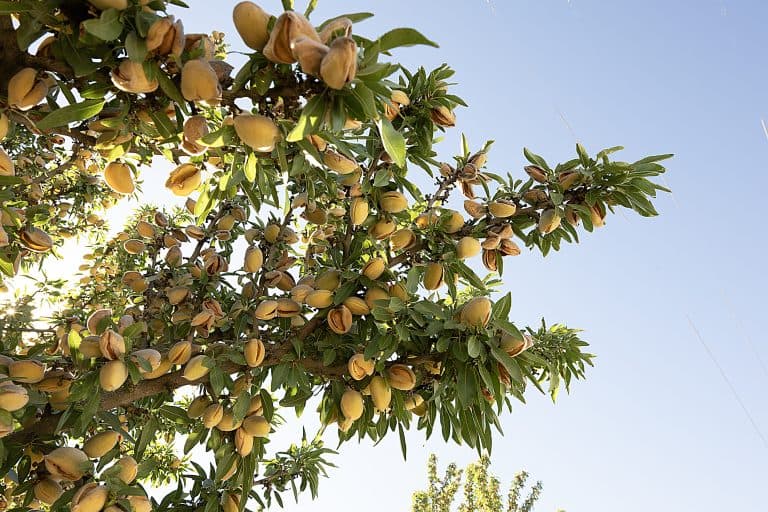
The annual return of summertime monsoon flows stirred a bit of apprehension among California’s almond growers, as memories of the challenging 2025 harvest season were rekindled. With that in mind, growers and huller/sheller operators alike worked to complete final pre-harvest tasks during July, focusing on crop maturity that is running well ahead of normal.
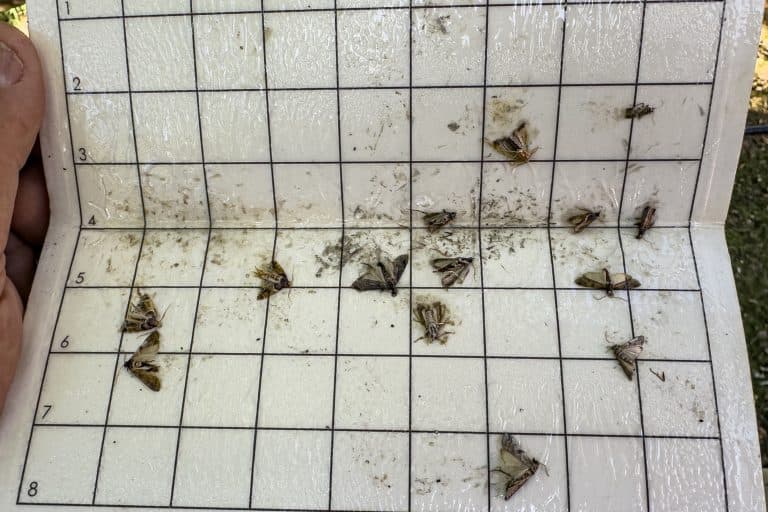
Insect and vegetation management were prime considerations during the period. As noted in our previous report, treatments to protect early harvesting varieties from damage by navel orangeworm were initiated in June, causing the early or advanced crop and pest development. As the crop continues to develop, secondary treatments, intended to catch the insect’s next generation and protect mid and later maturing varieties, were completed in July. As a reflection of the year’s advanced crop development, second treatments have been conducted in roughly the same time frame that initial applications would have been in “normal” years.
As for other pest issues, observers are reporting increased population of web-spinning mites in the Sacramento and southern San Joaquin Valleys. Control at this stage of crop development presents several challenges and the forecast heat wave promises to expand existing infestations. Treatments targeting almond-damaging ant species have also been performed, including second applications in cases with particularly high populations.
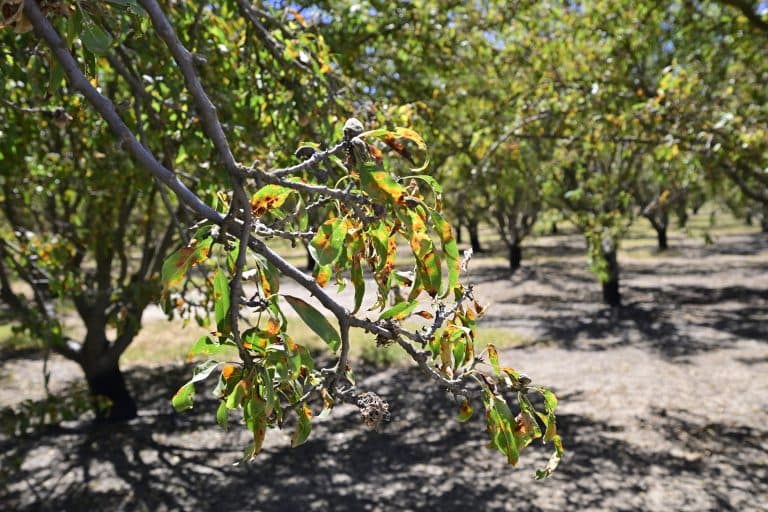
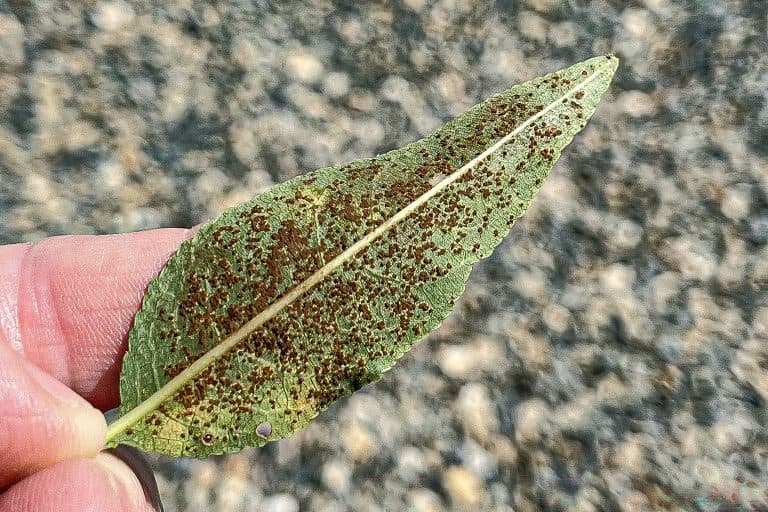
Observers are reporting widespread instances of red blotch infections in orchards throughout the Central Valley. As may be seen in the photo accompanying this report, if untreated, red blotch can cause severe foliar damage. However, symptoms of this new fungal disease do not appear until 30 to 40 days after infection. Easily spread by airborne spores that are activated by rain events, and potentially by irrigation, this disease spread from a single orchard in Merced County in 2024 to most of the Central Valley by 2025. Orchards that did not receive adequate protection, or any treatments at all are presenting significant symptoms, with the worst infections beginning to defoliate the trees. This is especially problematic in orchards that have been abandoned. Leaf rust, which follows a similar symptomology, has also been observed.
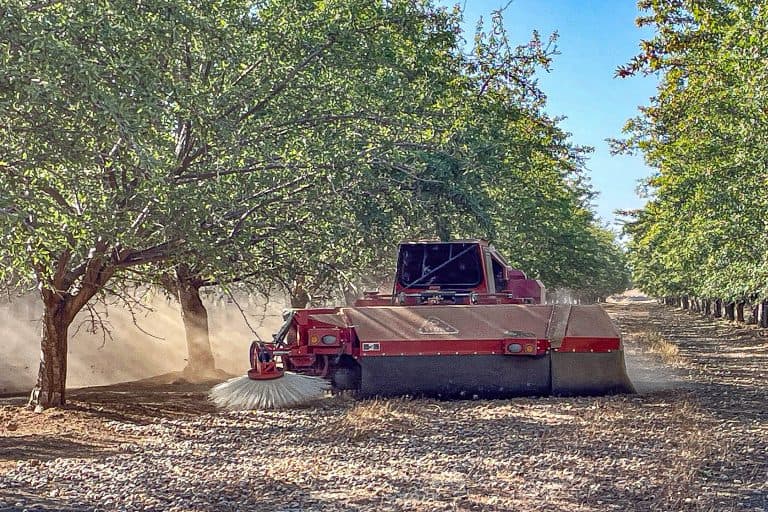
After delaying or deferring mower passes during the growing season to control costs, vegetation management on the orchard floor became particularly important during the period. Growers must provide for a clean, firm soil surface within the orchard middles (the area between the tree rows), to facilitate an efficient harvest. Where warranted, treatments to control weed regrowth, followed by flail mowers running close to the soil surface, provide the best conditions for a clean harvest.
Crop maturity also made irrigation management a focal point. Machinery passing through the orchards must be timed between irrigations to prevent rutting of the surface. For those working to employ regulated deficit irrigation (RDI) described in our previous report, the hotter temperatures complicate grower decisions. Under RDI, growers reduce irrigation to one-half of the orchard’s consumptive use for a two-week period at the initiation of hull split. Keeping in mind that water consumption increases as temperatures rise, in extreme cases, normal irrigation scheduling can result in one-half of consumptive use. For those with orchards ready for harvest, water must also be withheld to prevent bark damage during shaking.
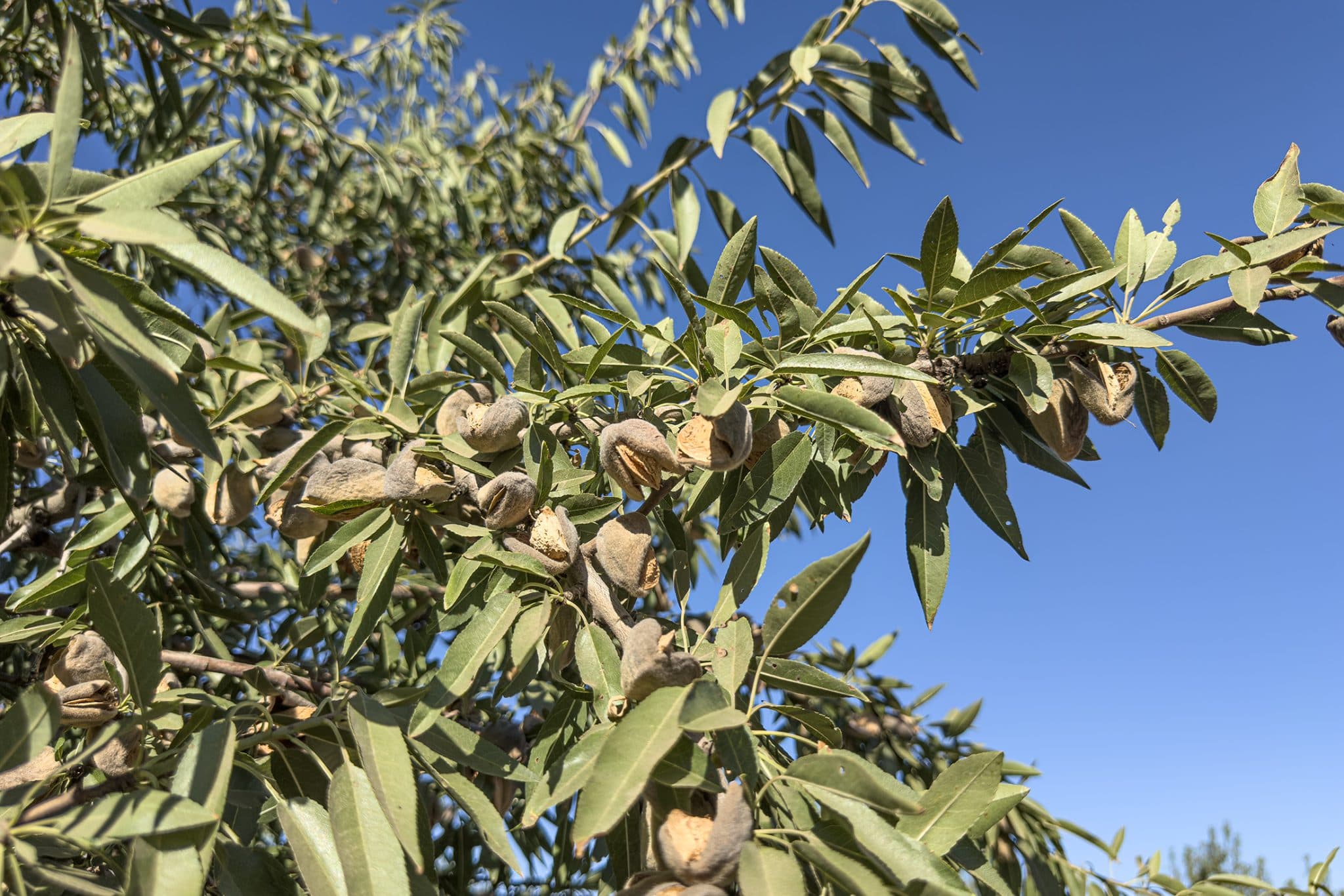
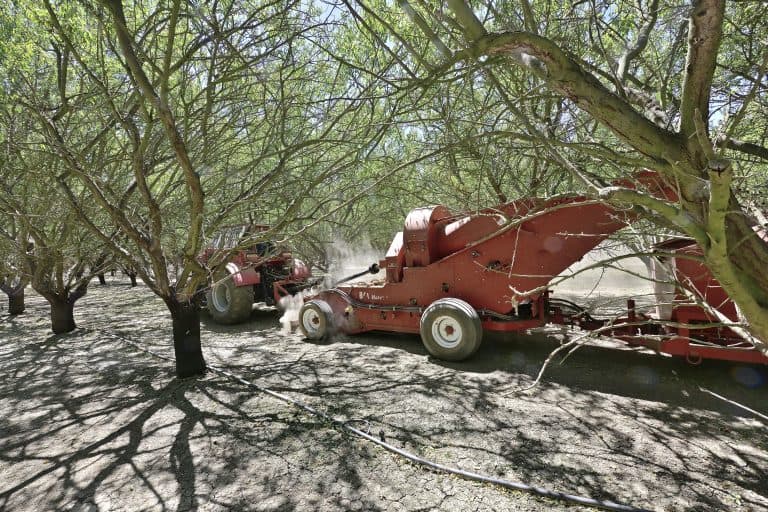
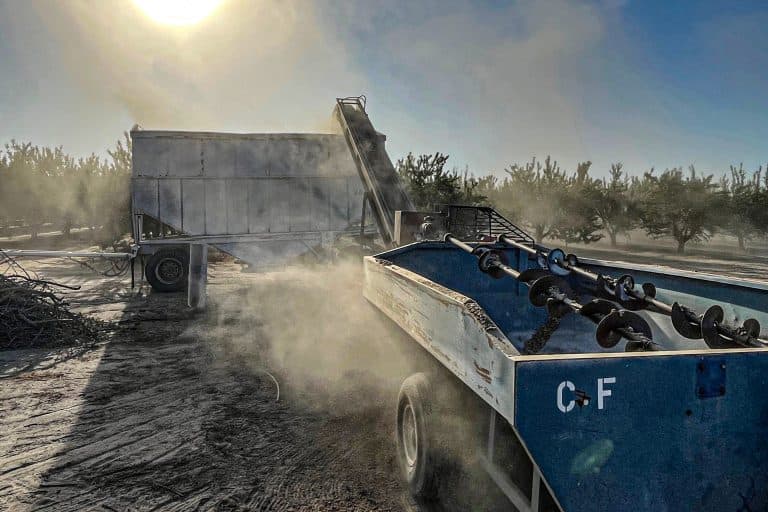
Owing to the advanced crop maturity, harvest operations of the 2026 crop were launched in mid-July. Observers reported the shakers entered the first orchard on July 10 in western Colusa County. Shakers began working in other advanced plantings along the west side of the Sacramento and San Joaquin valleys during the week of July 12 and the first crop to be picked up was delivered to huller/shellers during the week of July 19. For those along the east side and along the Highway 99 corridor, shaking of advanced blocks is expected to begin during the first week of August.
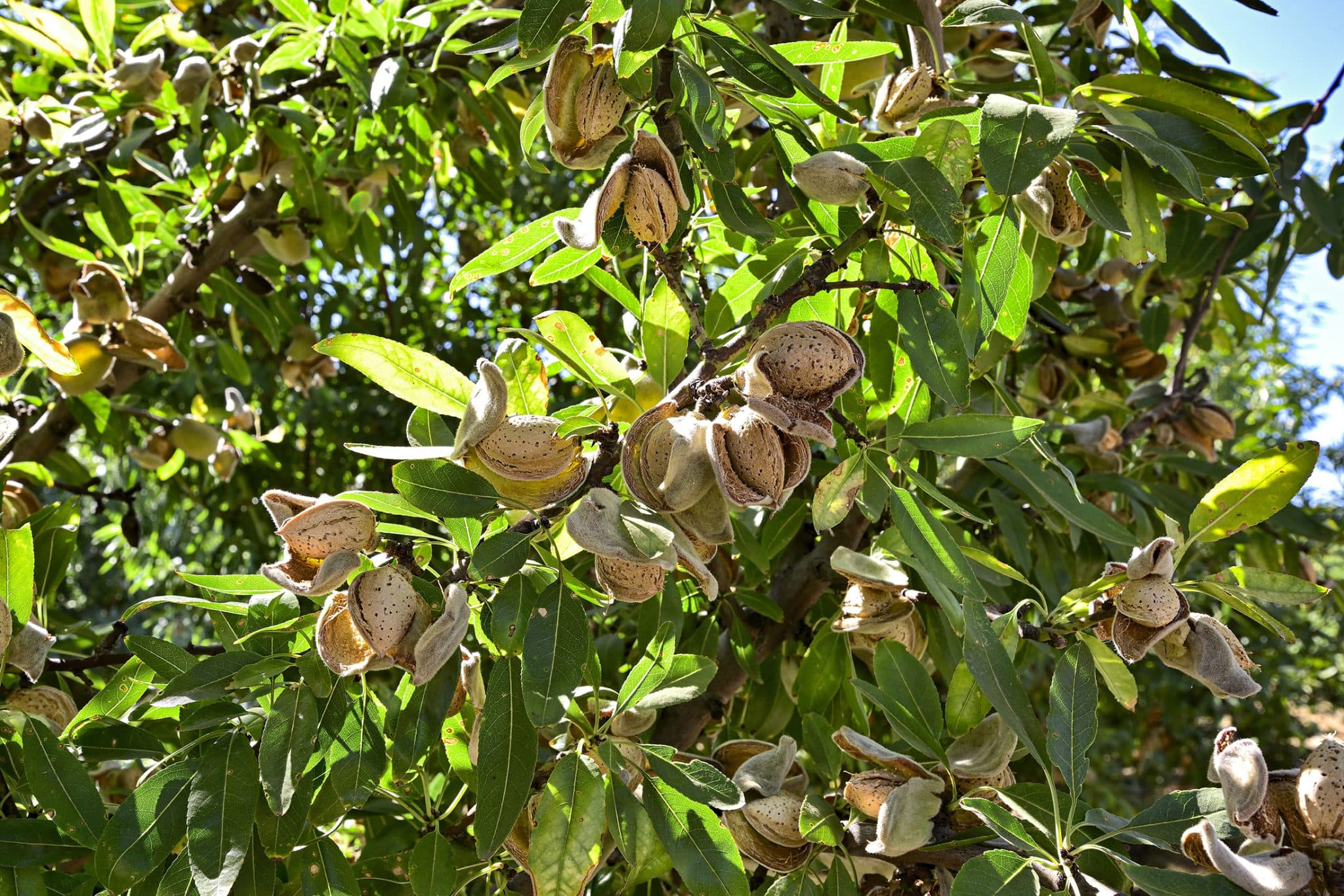
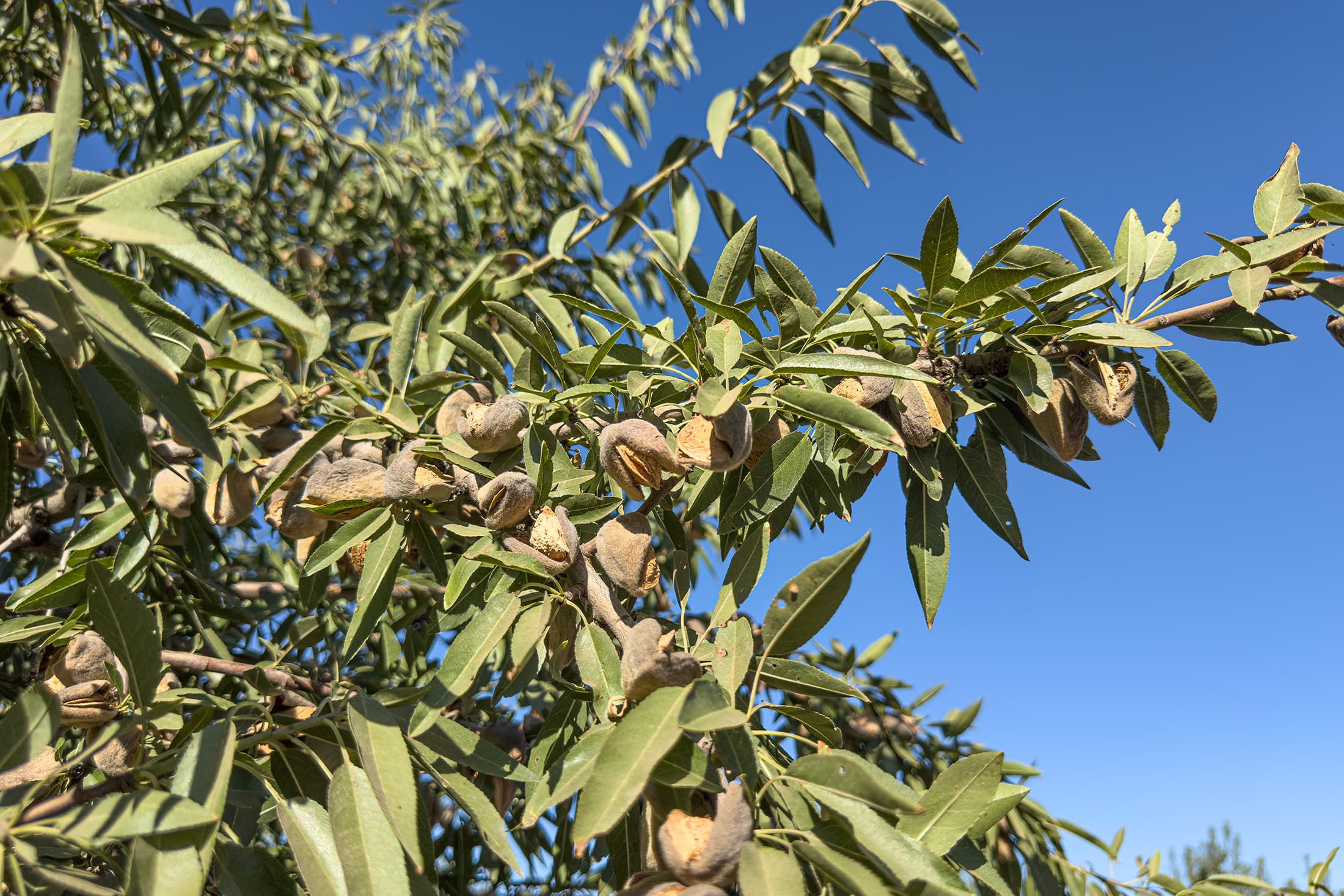
Growers and observers have noted that hulls have begun splitting in several pollinator varieties, indicating a potentially compressed harvest. However, how the crop will flow though huller/shellers will be determined as more crop arrives in the first weeks of August. Observers have noted thick hulls in many orchards that can potentially reduce flow rates during hulling.
By Mel Machado
Photo Credits: Nicole Jansen, Carla Youngblood, Anthony Scudder, and Mel Machado
Northern Conditions and Bloom Status
Current weather at the National Weather Service
Central Conditions and Bloom Status
Current weather at the National Weather Service
Southern Conditions and Bloom Status
Current weather at the National Weather Service