Crop Progress Report – April 27, 2026
This report covers the conditions and activities observed from Monday, March 30 through Sunday, April 26, 2026. The next report is scheduled for Monday, June 1, 2026. In the event of any significant occurrences prior to that date, this site will be updated as soon as possible.
The month of April brought a wide variety of weather to California’s Central Valley, with warm near summer-like days interspersed with strong spring storms. Daily maximum temperatures reached into the 80’s during the warmest days, with highest temperatures reaching into the upper 80’s in the southern San Joaquin Valley. However, the passage of two strong spring storms held daily highs into the lower 60’s for several days during the period. Morning lows were noticeably affected by the storms, with coldest temperatures reported in the low to mid 40’s under clear morning skies, while minimums were held in the low to mid 50’s under the cloud cover accompanying each storm.
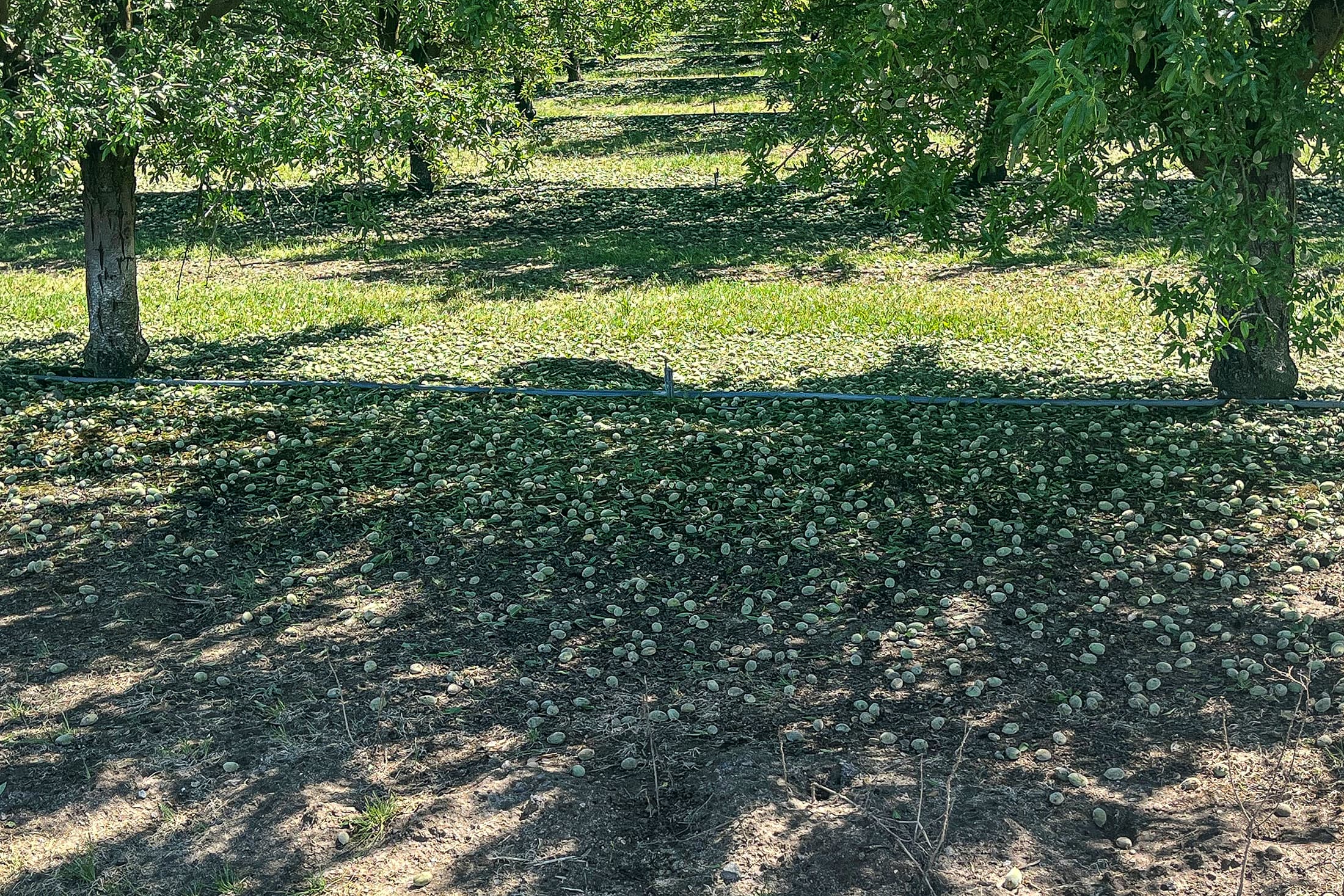
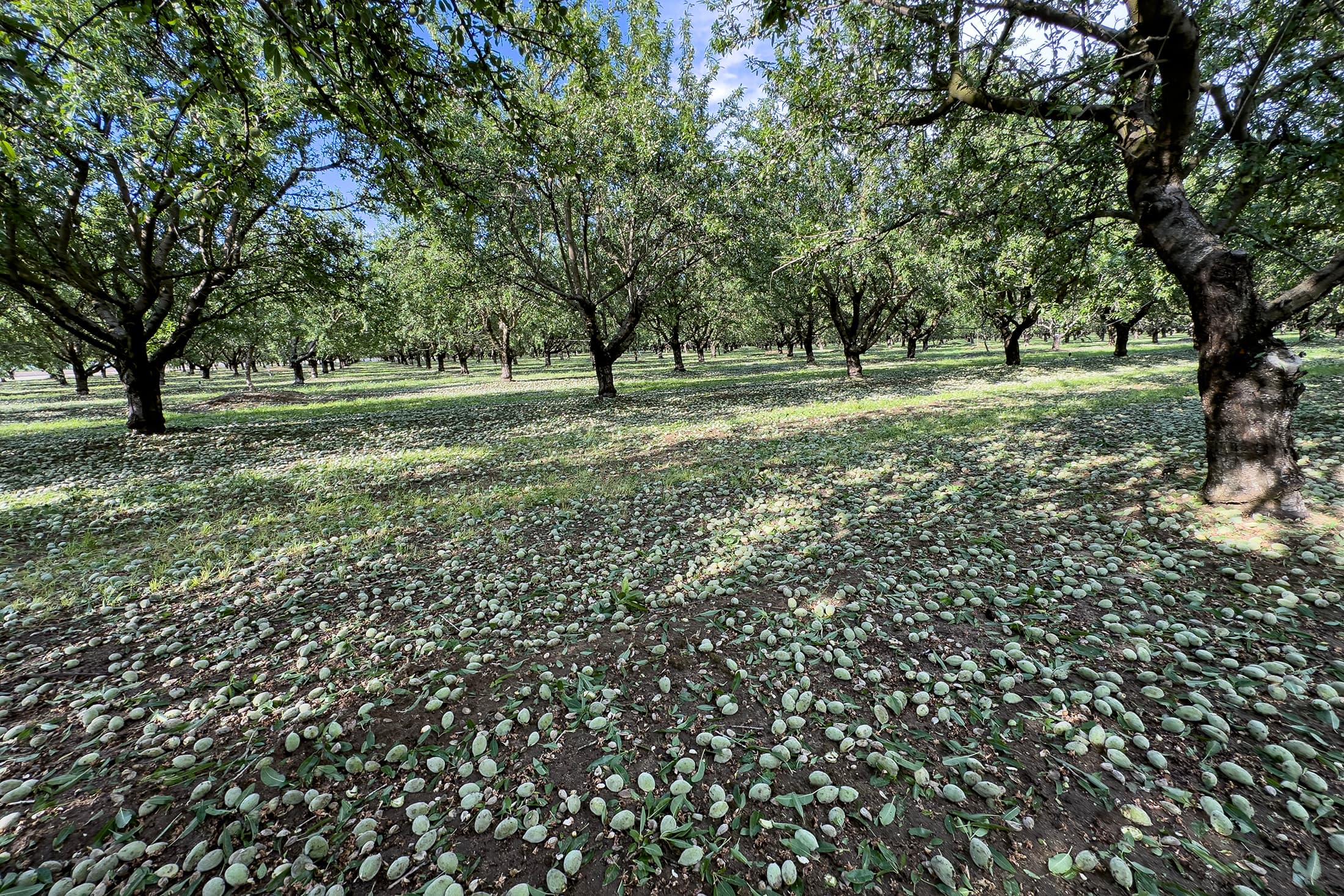
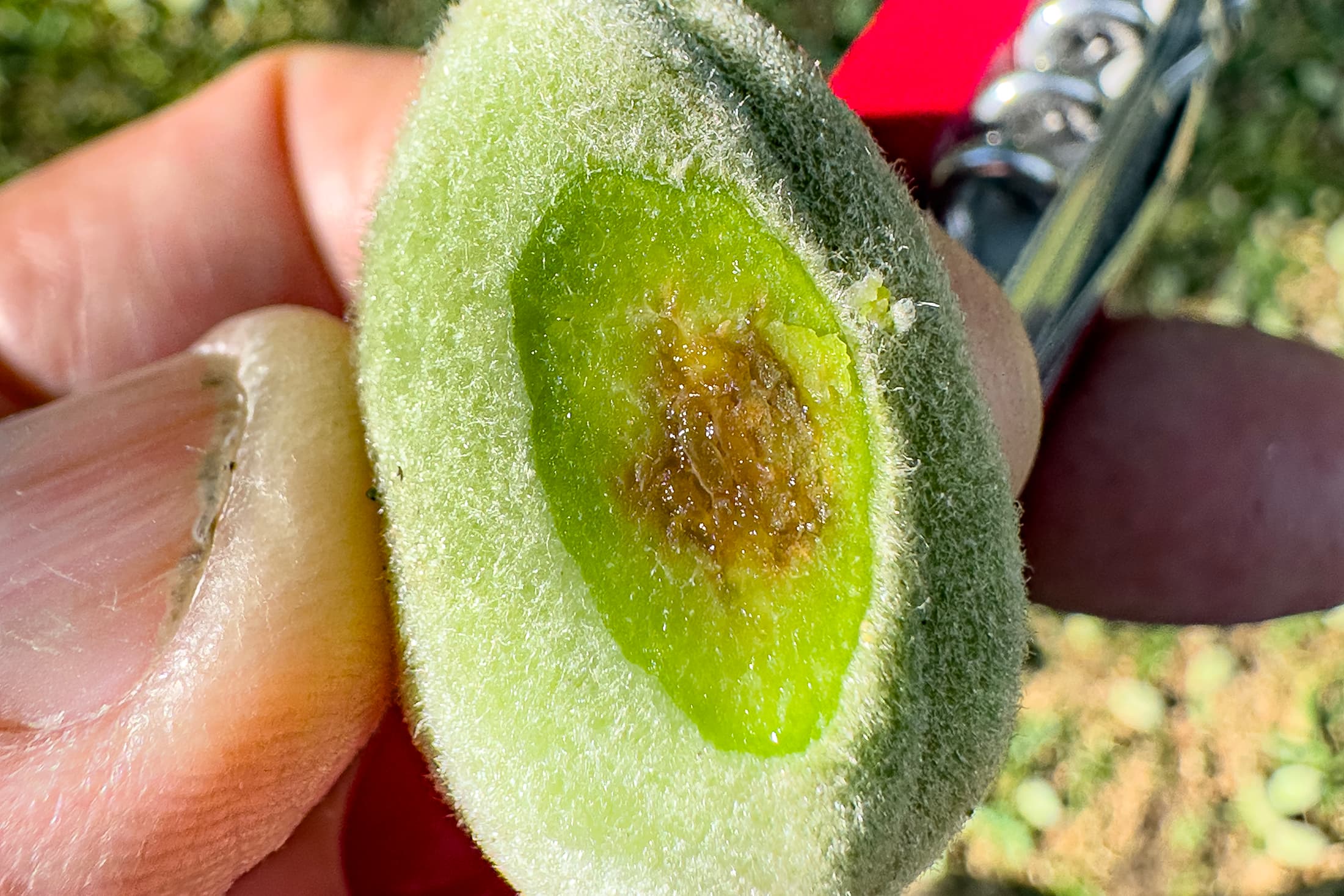
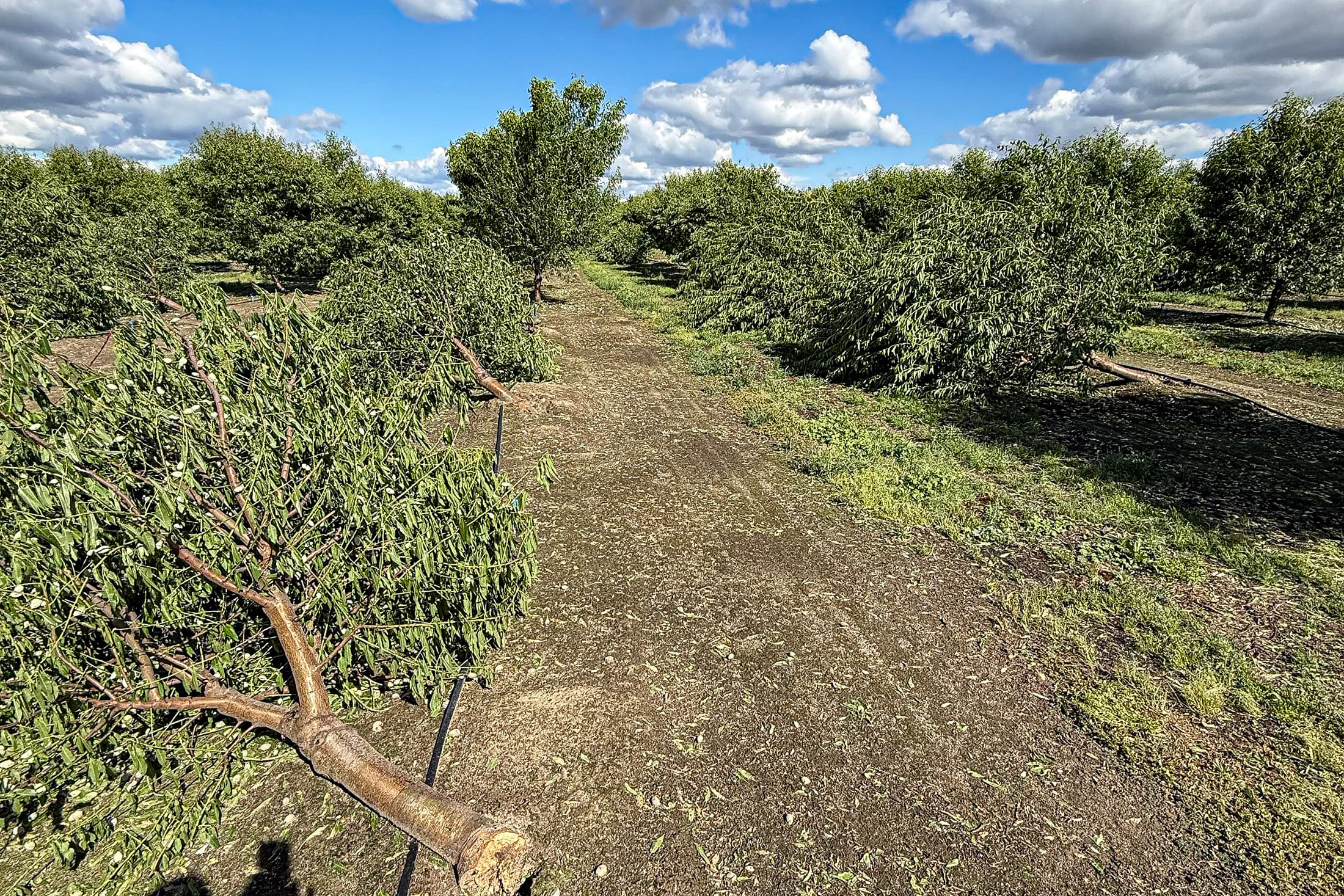
The most noteworthy aspect of April storms was the heavy rain that fell over much of the valley and the hail that caused considerable damage to several orchards in San Joaquin County. Some areas of the southern San Joaquin Valley recorded only one-quarter to one-half inch of rain. However, much of the Central Valley recorded a total of three to four inches, with the majority of this falling in just a few hours on Tuesday, April 21. One particularly strong thunderstorm dropped quarter-sized hail in the Ripon area of San Joaquin County on Friday, April 10, ripping the majority of the crop from the trees in several orchards. Additional losses are certain as nuts damaged by the hail fall from the trees over the coming weeks. Strong winds also accompanied this storm cell, blowing over a substantial number of trees in the most impacted orchards. Hail was also observed in other areas of the valley, with lesser damage reported.
April’s storms provided a stark contrast to near summer-like conditions experienced in the previous month. While cooler conditions and rainfall reduce the orchards’ water consumption and need for irrigation, the rainfall increases the potential for fungal infections on the developing nuts and foliage. The untimely rain has particularly increased concern for red leaf blotch. As noted in last month’s report, red leaf blotch is an invasive fungal disease that spread rapidly throughout much of the valley in just two years and can cause severe defoliation.
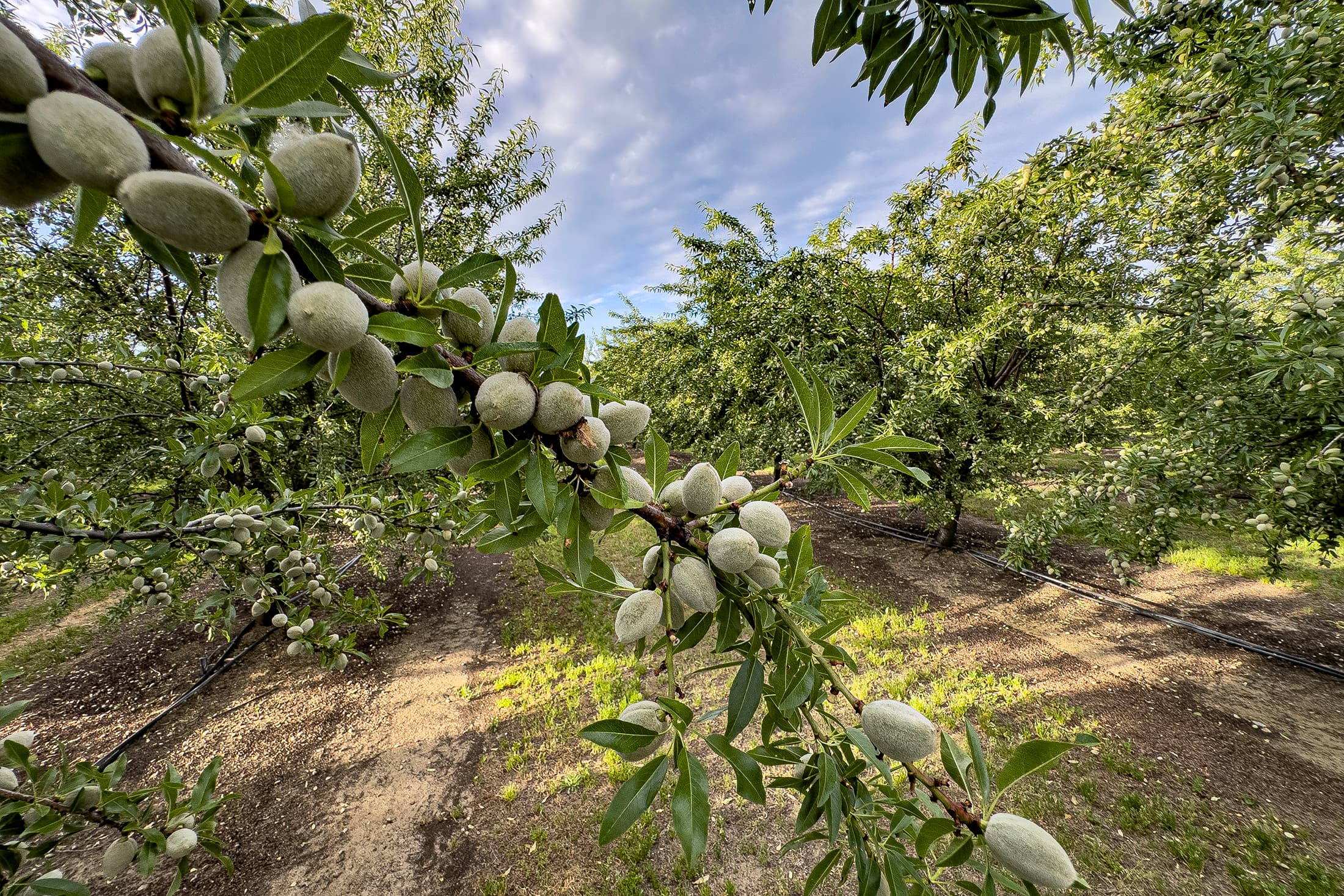
Growers and Pest Control Advisers, PCAs, have noted increasing populations of plant bug species, including leaf-footed plant bugs, stink bugs and boxelder bugs in all areas of the valley and have treated as needed. Damage from plant bugs has been an increasing challenge for growers over the past few years. University researchers have been working on trap configurations in an effort to enhance the ability to monitor population development within the orchards. In orchards with mummy nuts remaining in the trees, PCAs have been recommending materials effective on plant bugs and navel orangeworm larvae. The goal is to target the larvae as they emerge from eggs that have been laid on the mummies, while also reducing the amount of material used and the number of passes through the orchards.
While reducing the need for irrigation, the wet weather also complicated growers’ effort to provide needed nutrition to the developing crop. Fertigation, the injection of liquid fertilizer into the irrigation system, is the most common and efficient means of fertilization. However, growers who received the greatest amount of rainfall have been reluctant to add more water to their orchards, promoting root diseases. Some are waiting for the coming week and the forecast of dry weather and rising temperatures, while those who received less rainfall have opted to run their systems only long enough to apply the required amount of fertilizer.
While growers were working to support their developing crops, they have also been paying close attention to the rising cost of resources. Fertilizer prices have risen sharply, straining budgets and complicating management decisions. Prices of crop protection materials are also on the rise, and when combined with the rising cost of fuel, each pest management decision carries greater financial weight. The cost and potential return of each operation is always a consideration. However, the sharp increases growers are experiencing have promoted critical examination of each operation. Close evaluation of each orchard’s potential production is a critical consideration. As of today, grower sentiment on the potential of this year’s crop is generally in line with what they produced in 2025.
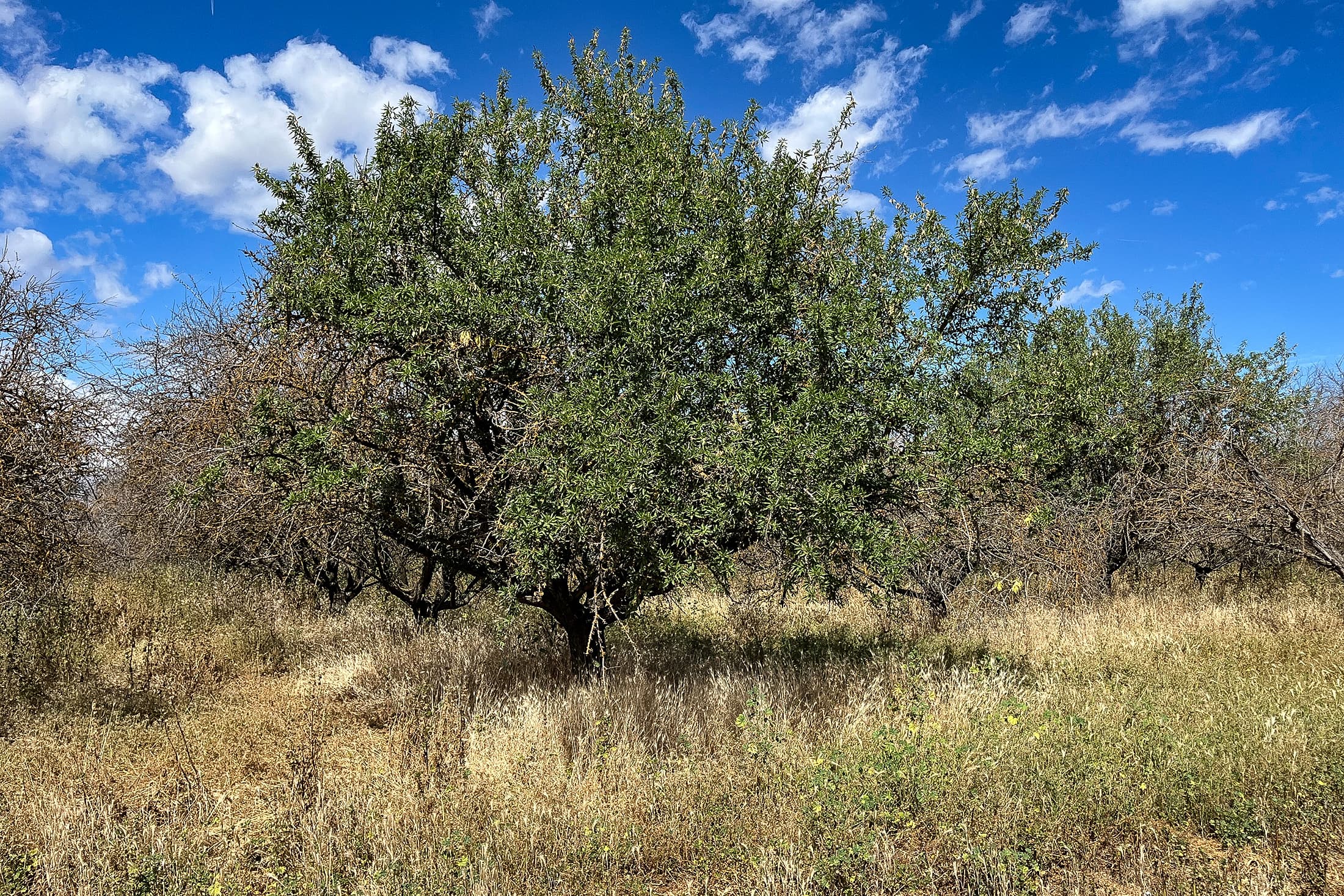
The ultimate result of the financial difficulties growers are facing is an increasing number of orchards receiving reduced or minimal care. Examples of orchards that have been abandoned are also visible in all areas. These orchards serve as a source of inoculum for fungal disease and insect pests, increasing the challenges for neighboring growers.
By Mel Machado
Photo Credits: Mel Machado, Carla Youngblood, KC Clendenin, Anthony Scudder