This report covers the conditions and activities observed from Monday, August 31, through Sunday, September 27, 2026. The next report is scheduled for Monday, October 26, 2026. In the event of any significant occurrences prior to that date, this site will be updated as soon as possible.
Warm, dry conditions dominated the weather in California’s central valley during September, providing good support for the 2026 harvest. Daily maximum temperatures ranged predominately between mid-80’s and mid-90’s with highest readings report throughout the valley on September 10th at just over 100 degrees. Meanwhile, morning lows ranged predominately from the lower 50’s with highest values climbing into the lower 60’s and chilliest readings bottoming out briefly in the upper 40’s.
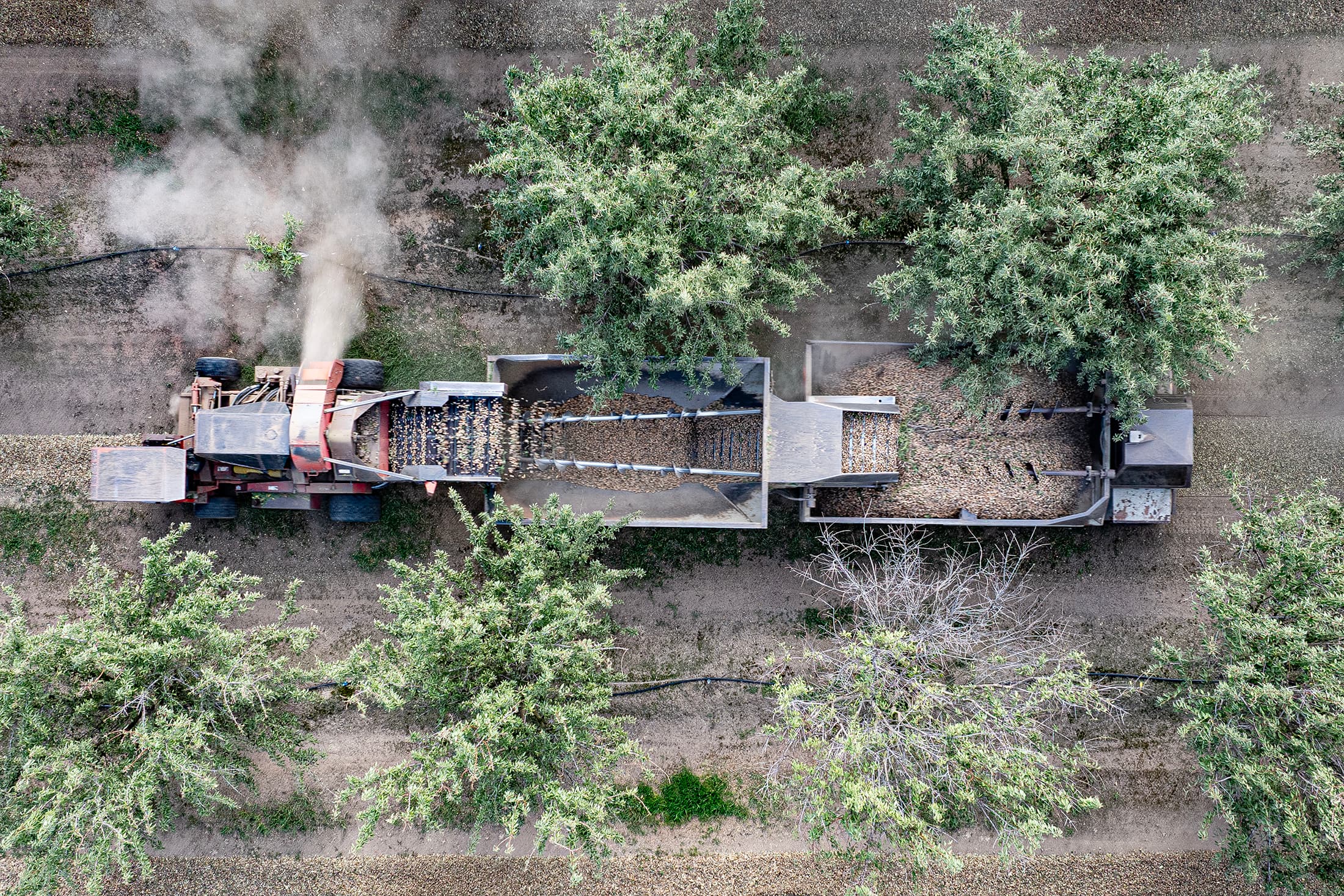
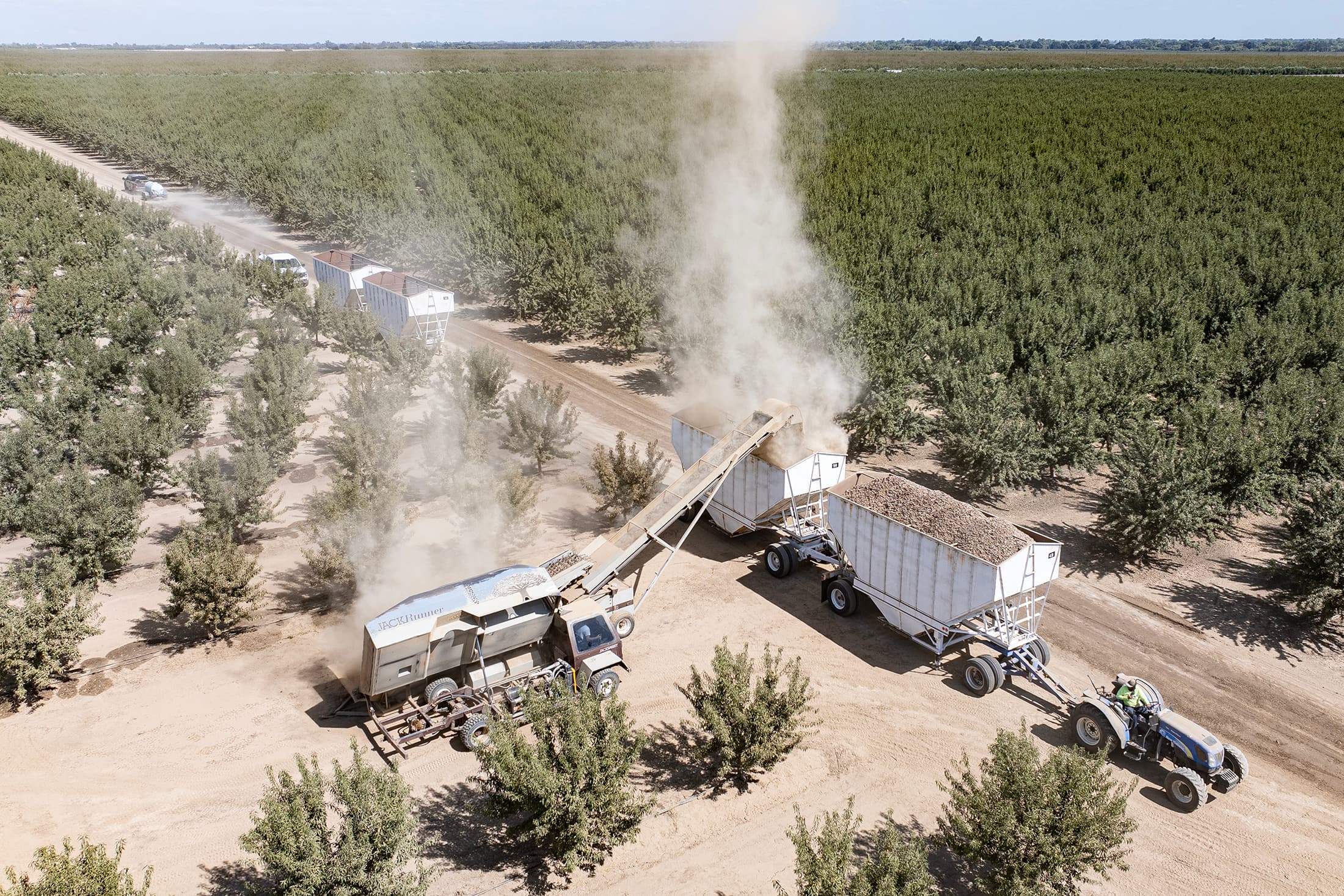
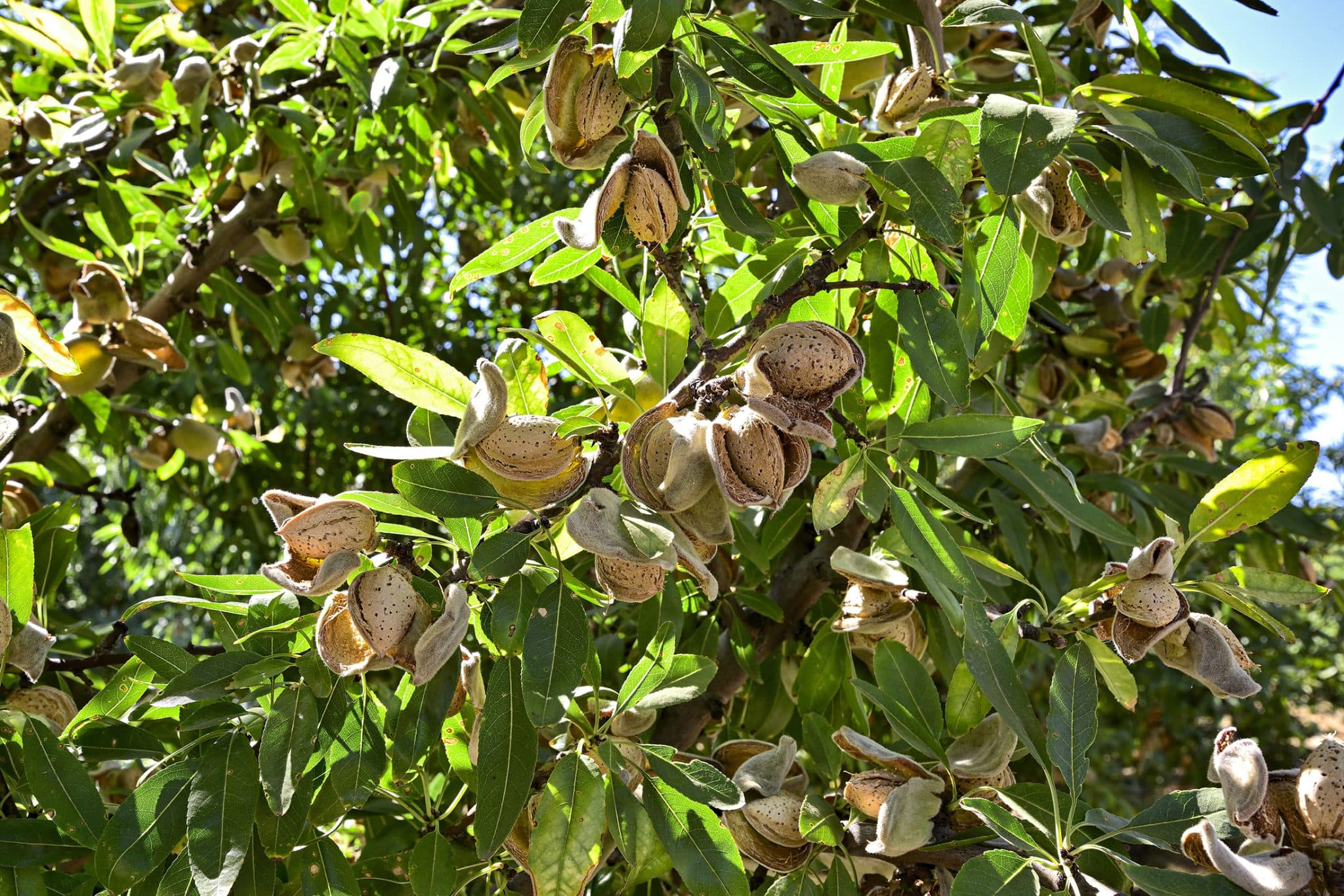
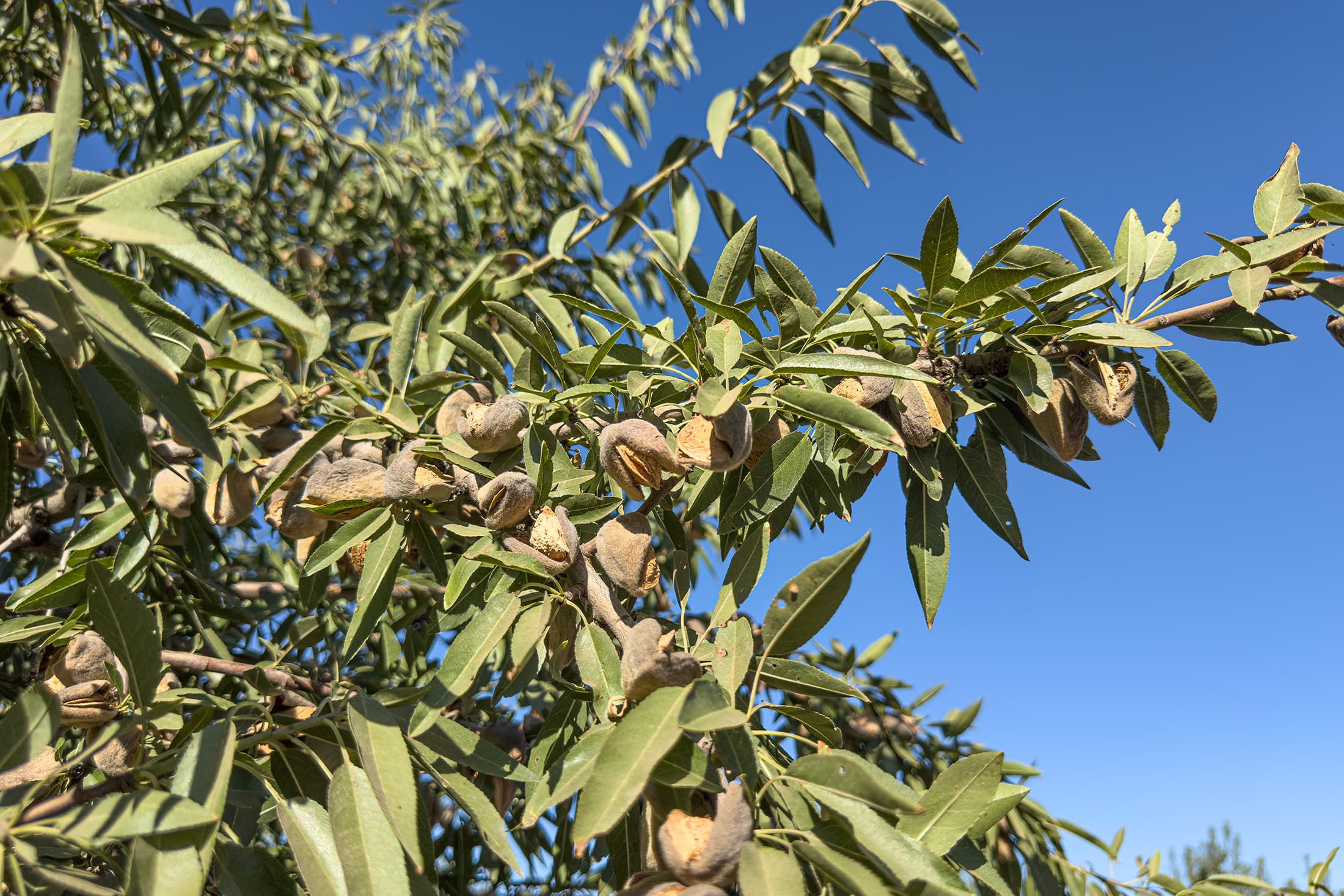
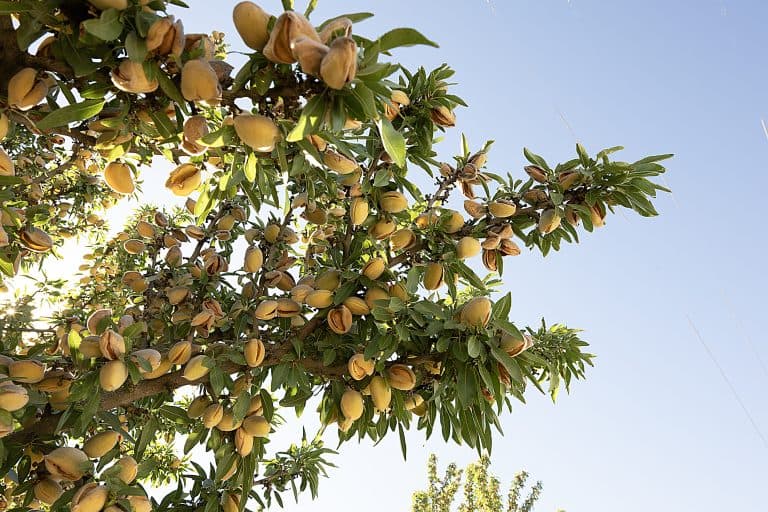
The transition from summer to fall brings shorter days and increased opportunities for morning dew, which can conspire to reduce the hours available to pick up windrowed product. Fortunately, the conditions experienced during September prevented any significant challenges. This has allowed growers to move rapidly through their orchards, taking advantage of the compressed nature of the 2026 harvest. Observers are reporting that only a handful of Nonpareil and Independence remained to be harvested at the end of the period, while advanced examples of late maturing Monterey and Fritz have already been picked up.
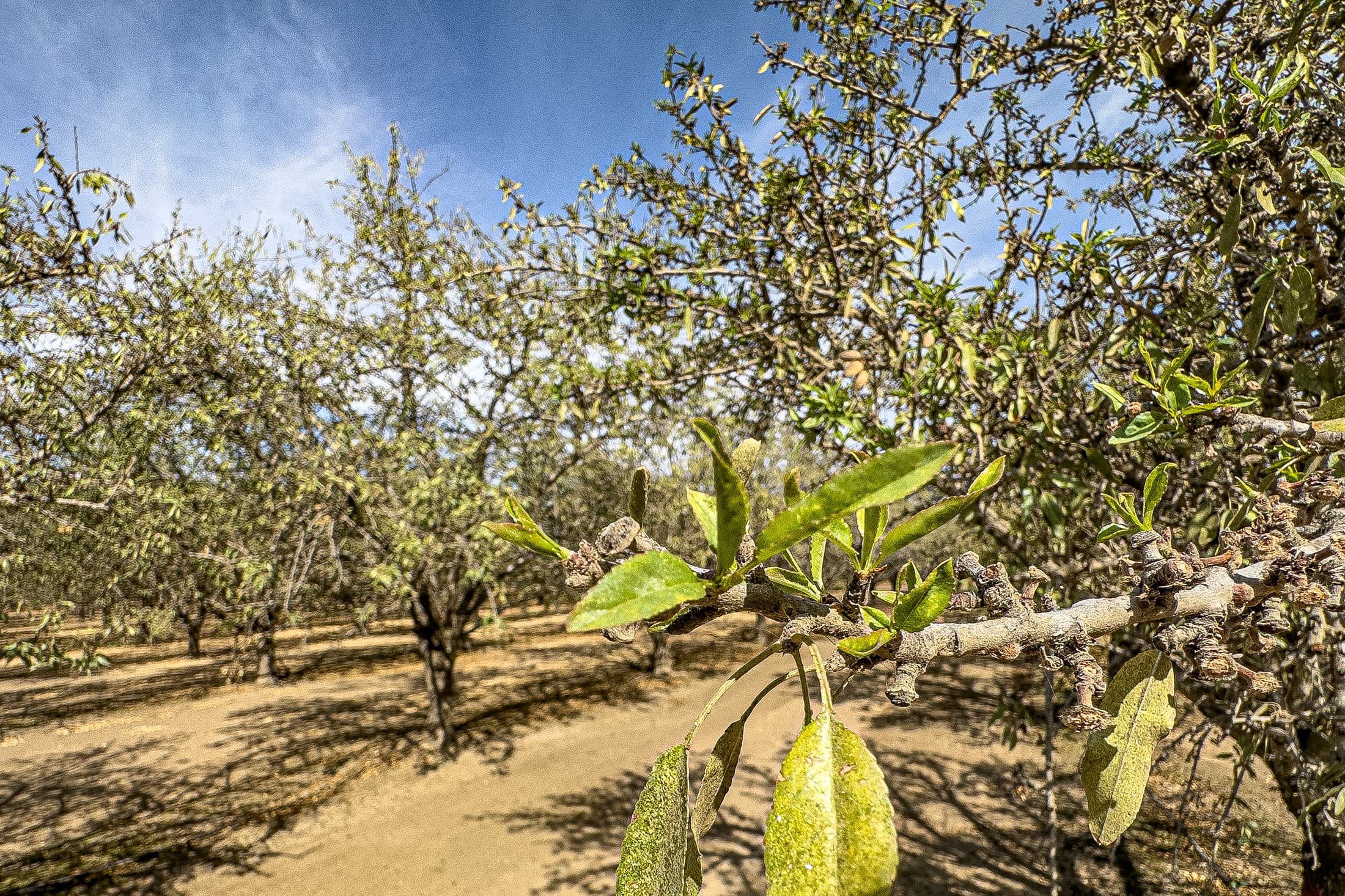
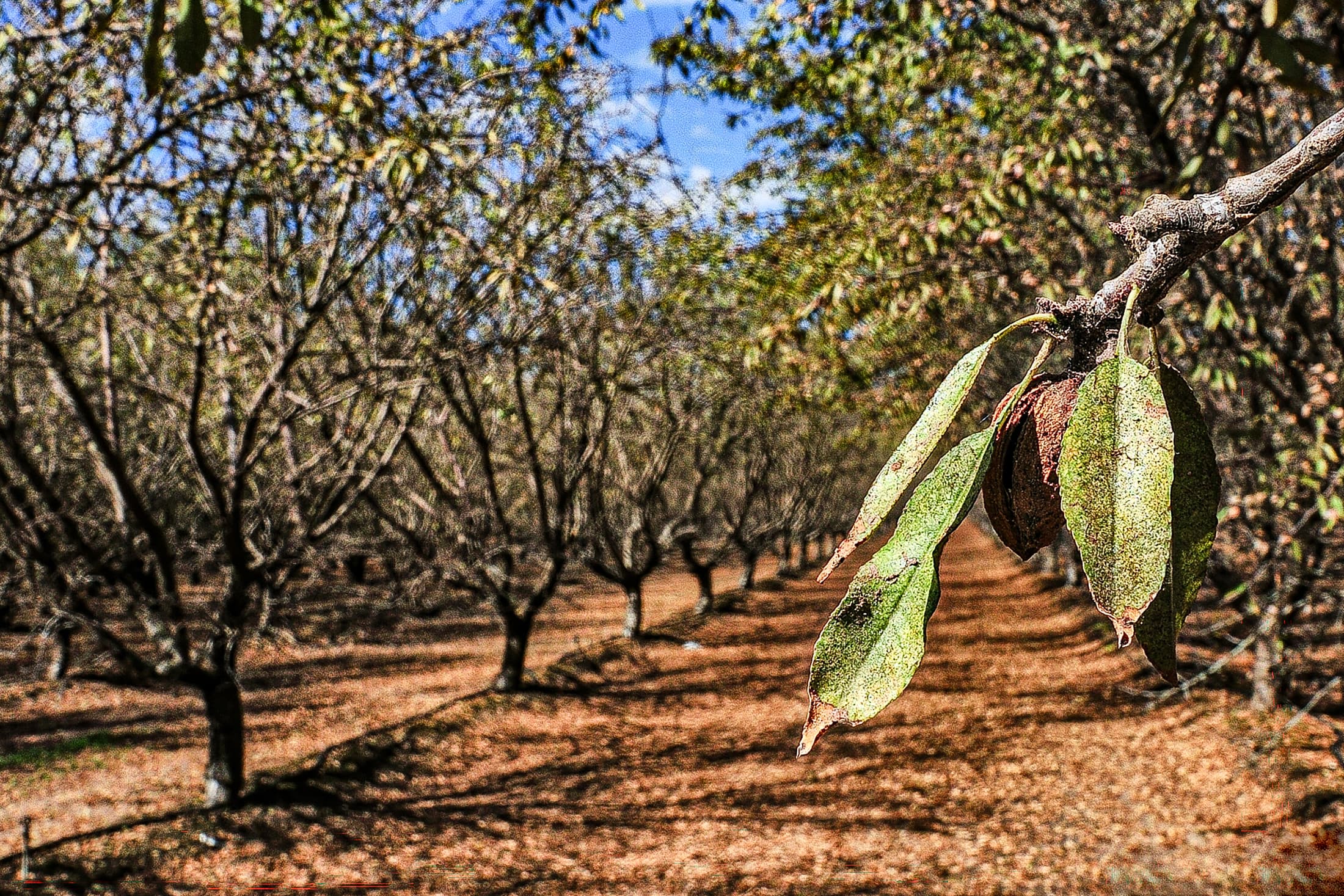
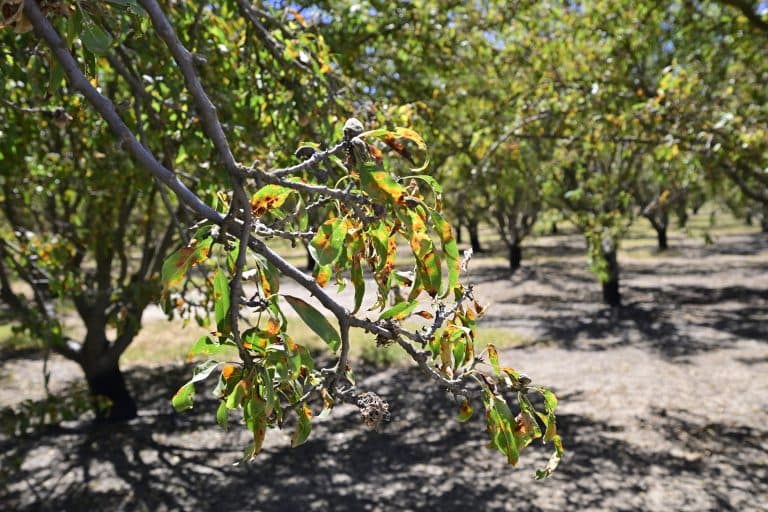
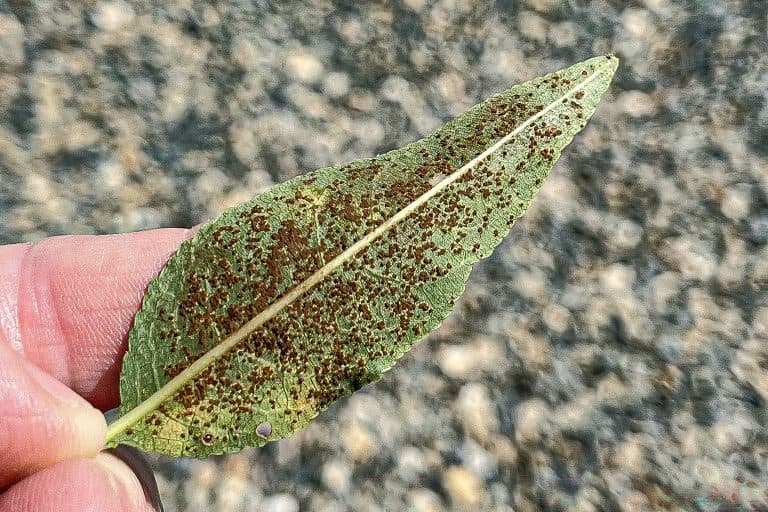
As noted in our previous report, spider mites have caused significant defoliation in many orchards throughout the central valley. While not every orchard has been impacted, the most significantly infested orchards have lost nearly all the leaves and have started to “push” new leaves. Given that this represents next year’s energy reserves being expended this year, these orchards face potential adverse impacts on their 2027 crop.
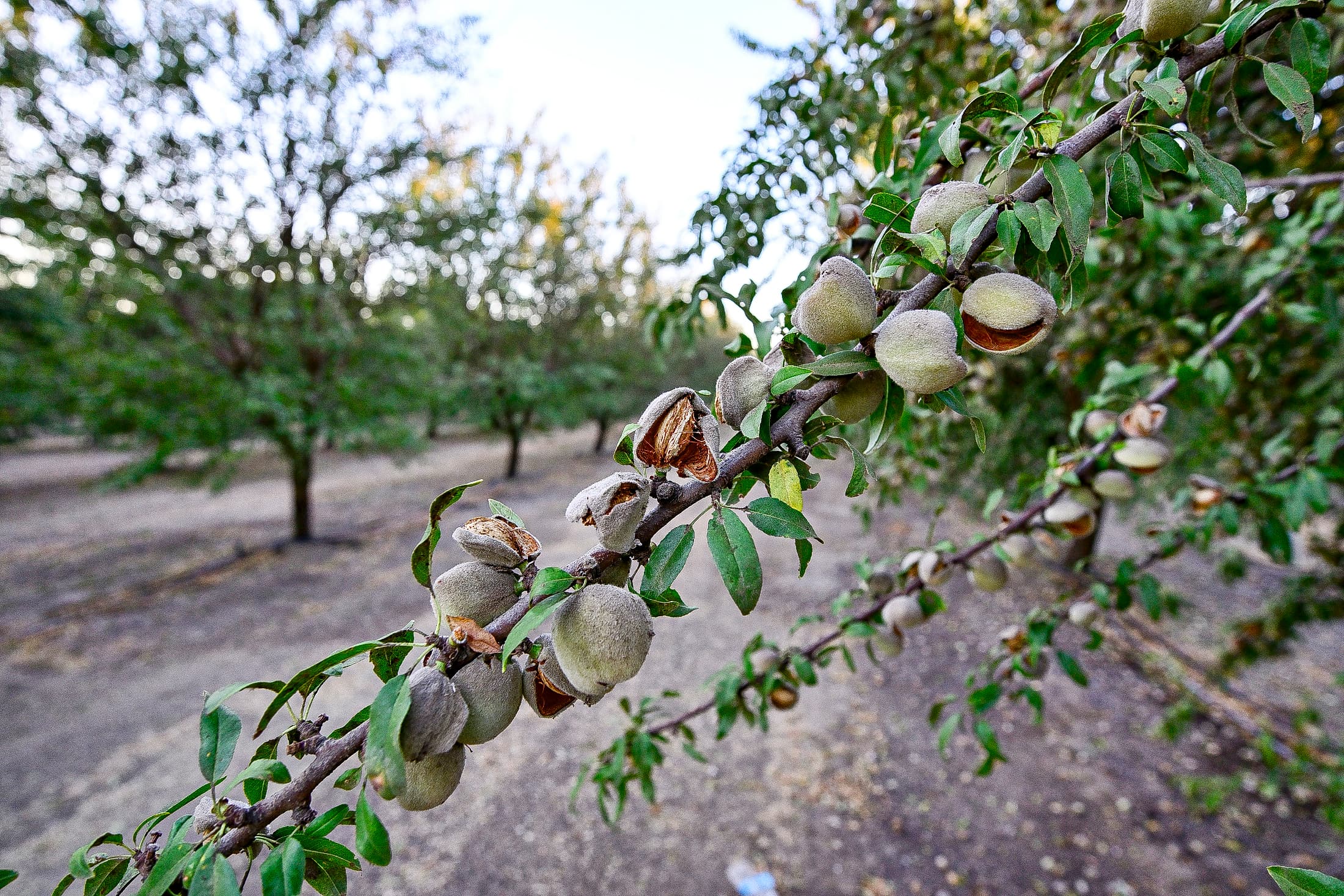
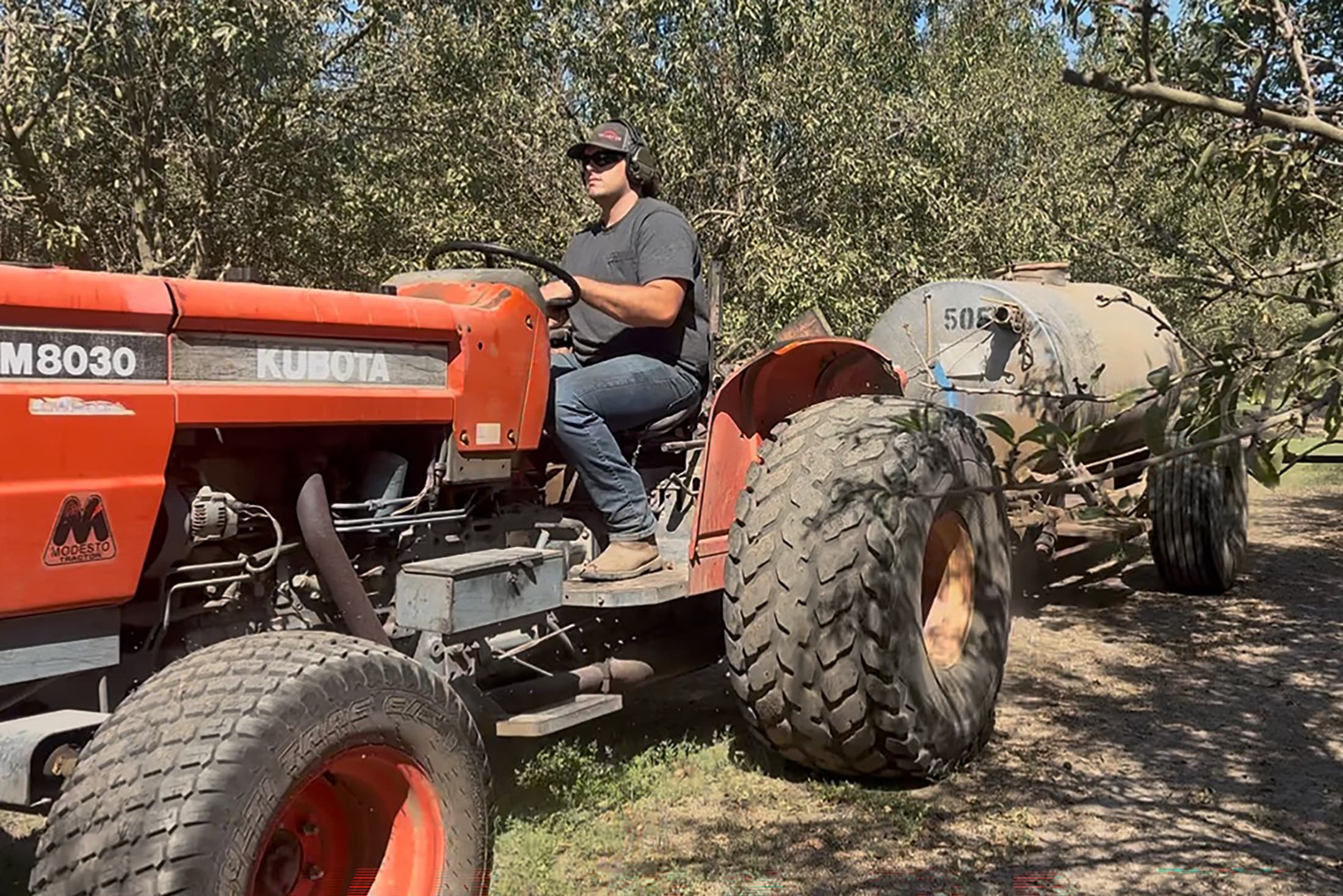
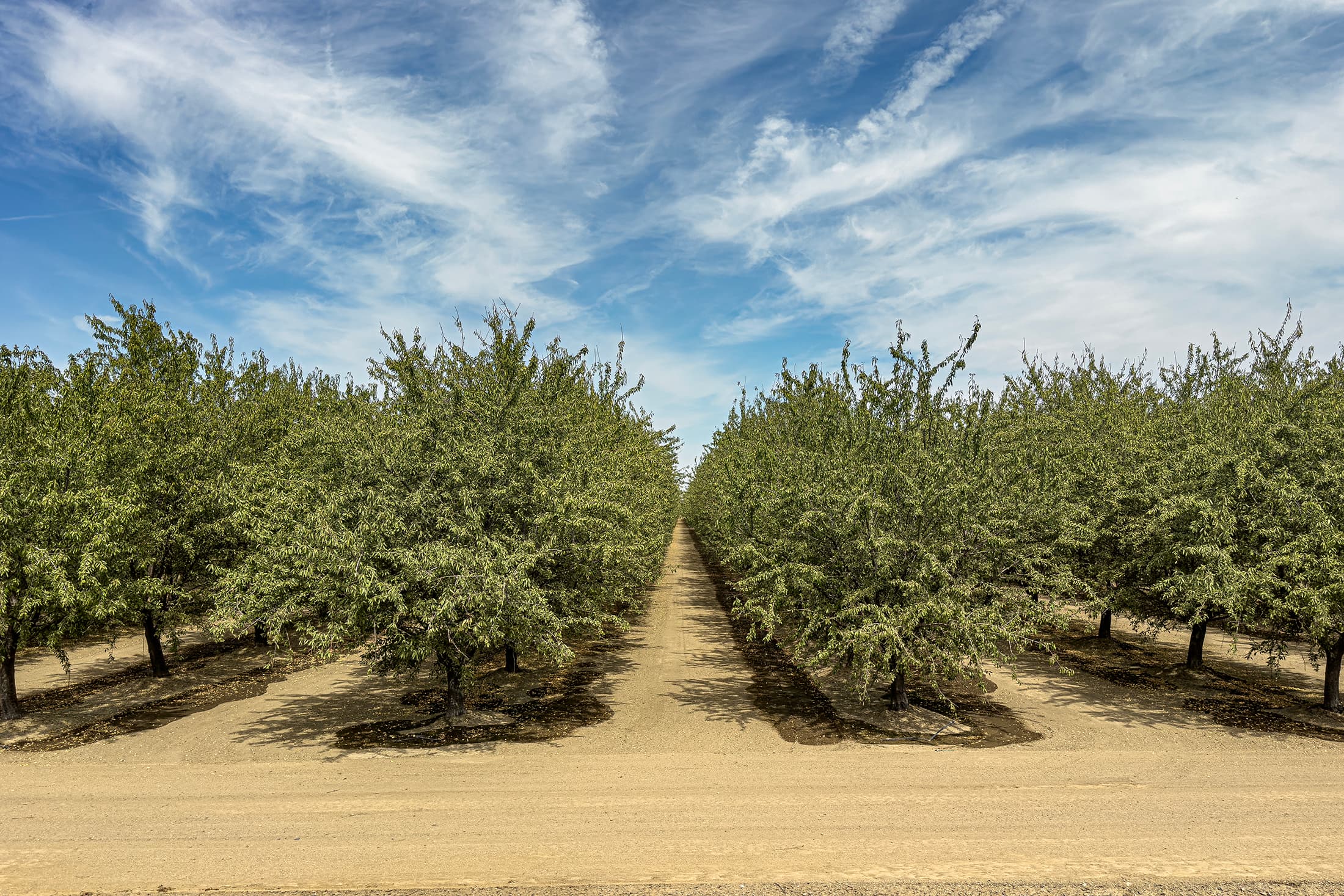
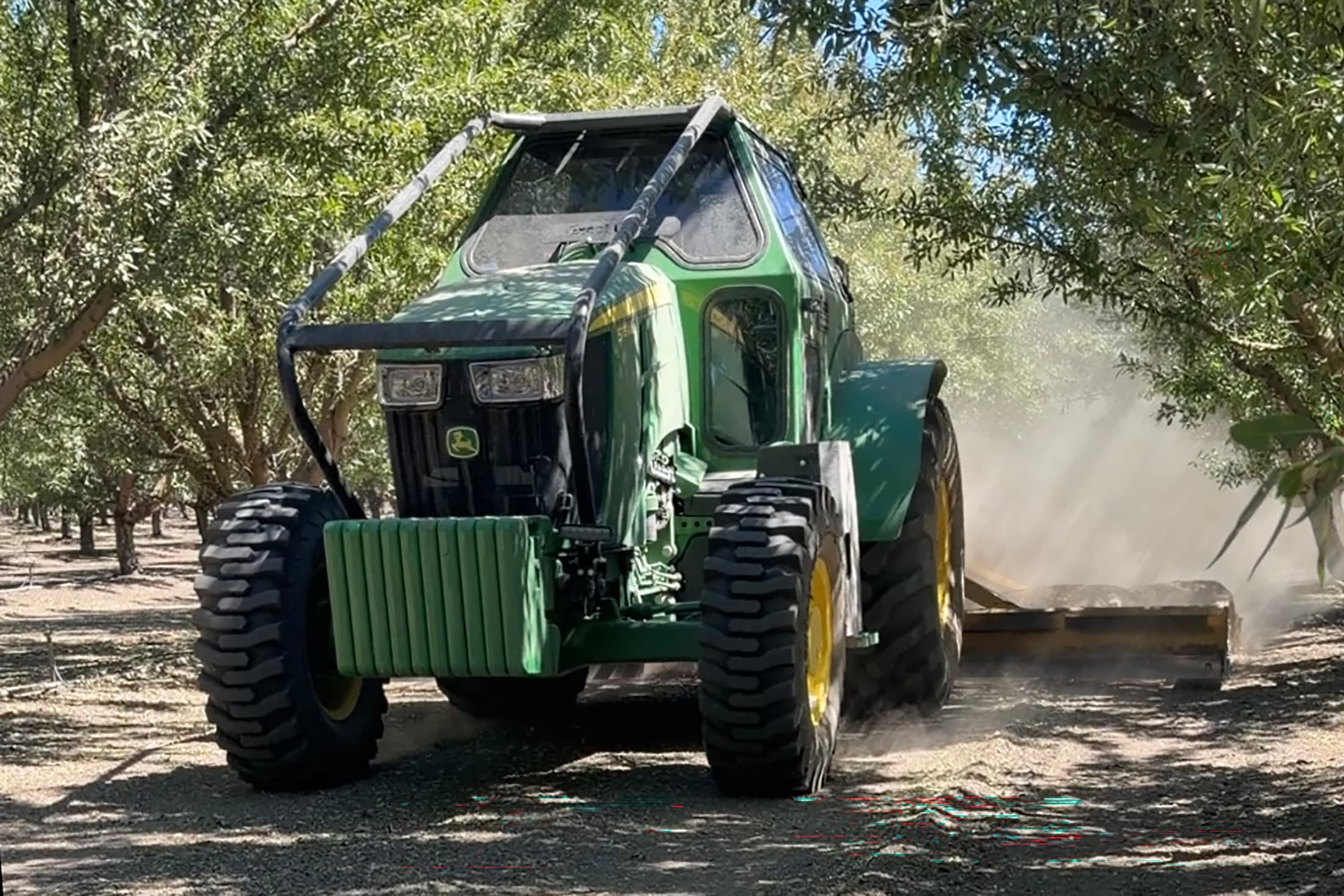
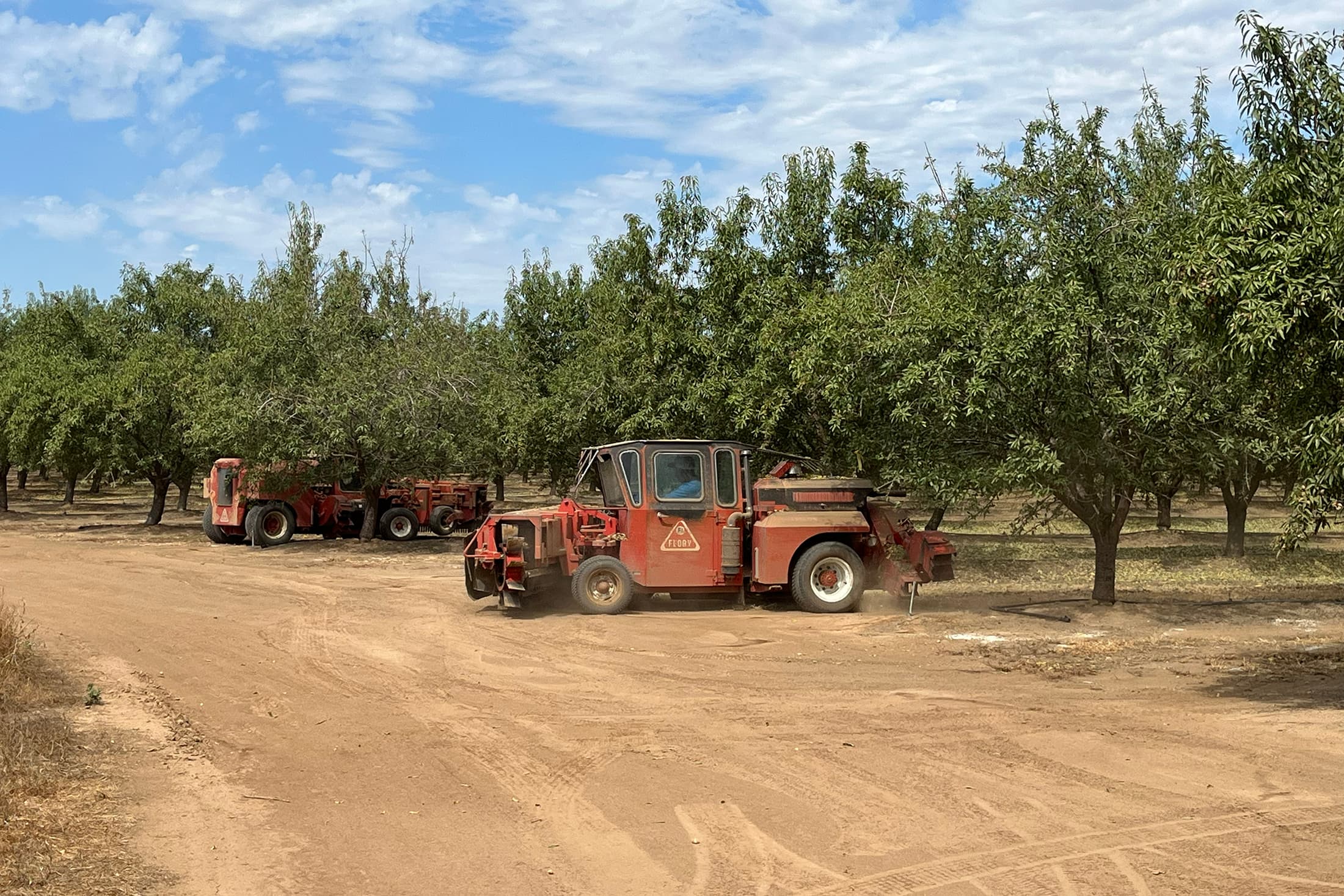
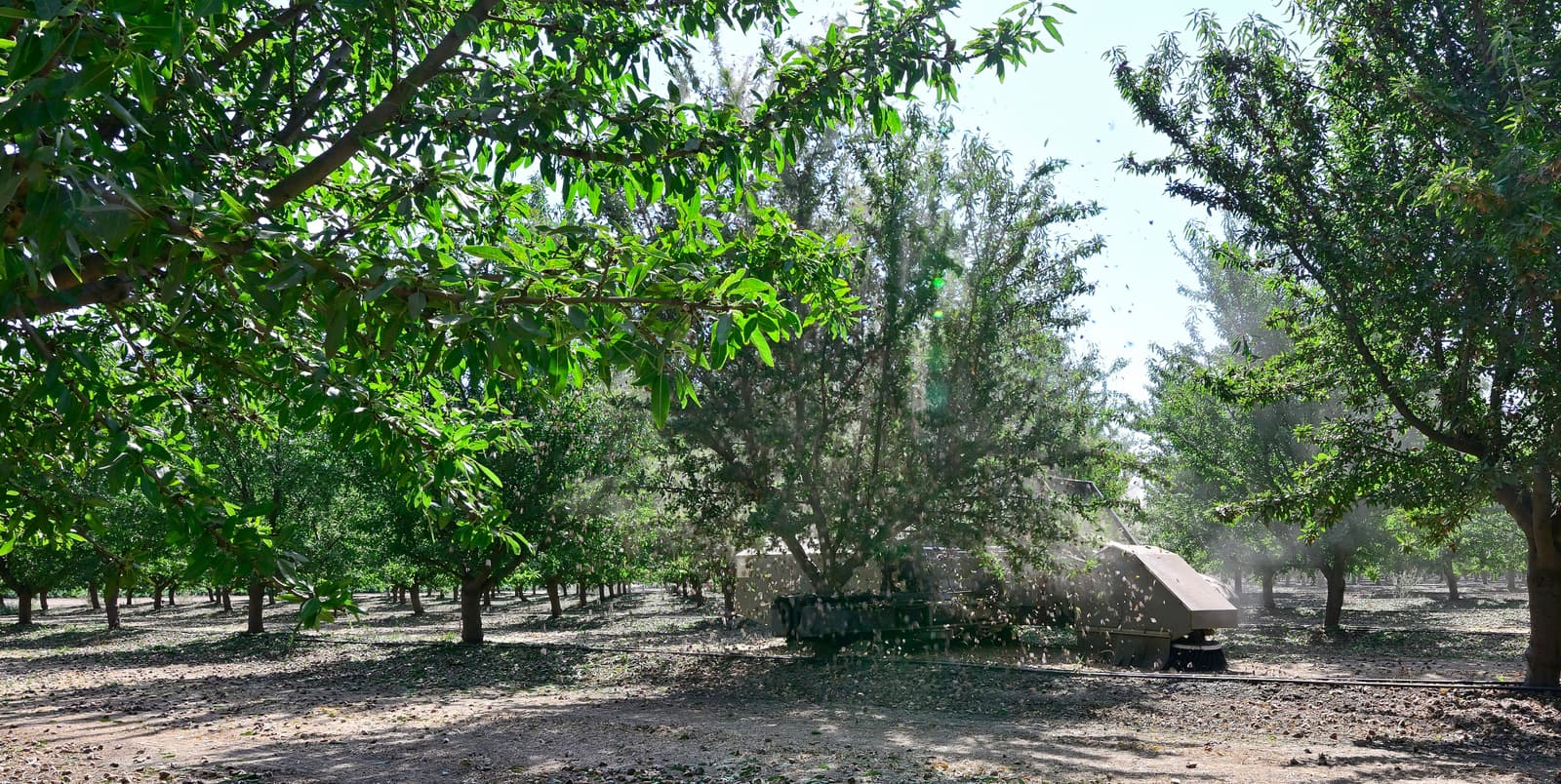
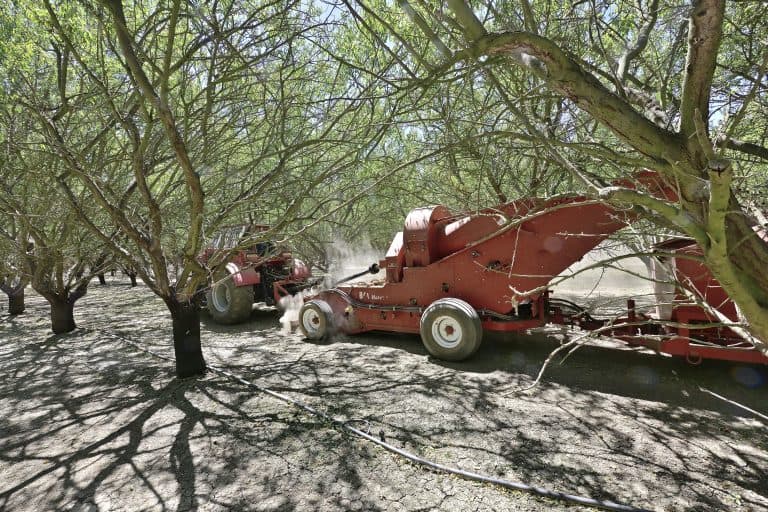
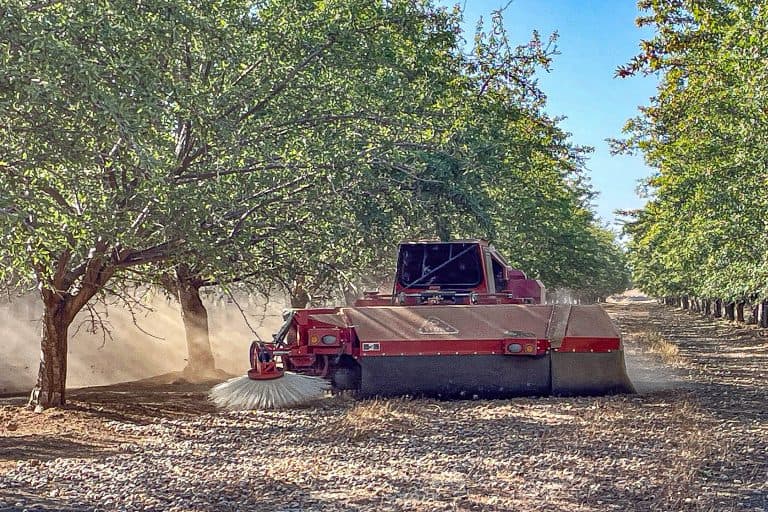
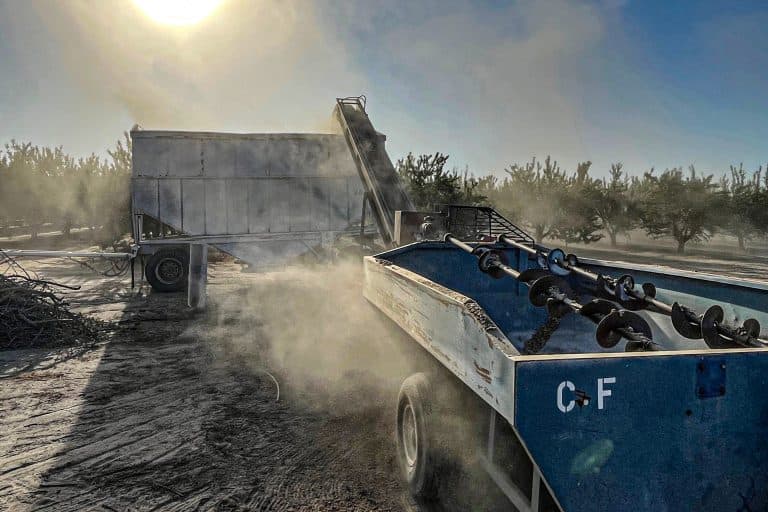
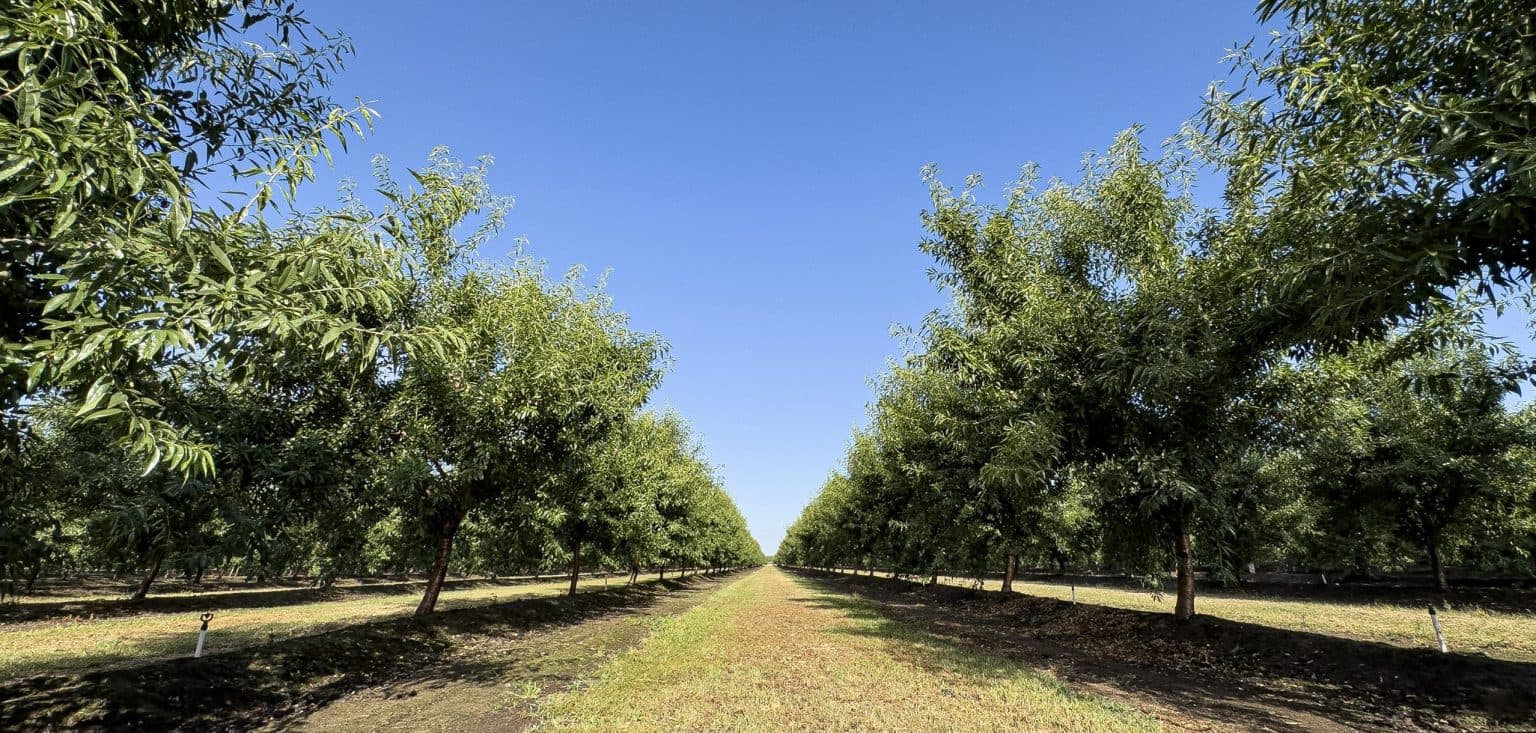
With the completion of harvest within each orchard, growers quickly begin post-harvest activities. Irrigation becomes the most critical activity as growers work to restore root zone moisture levels that were depleted during the harvest. As shown in the photos accompanying this report, fertilizer applications and smoothing of the orchard floor are also prime activities.
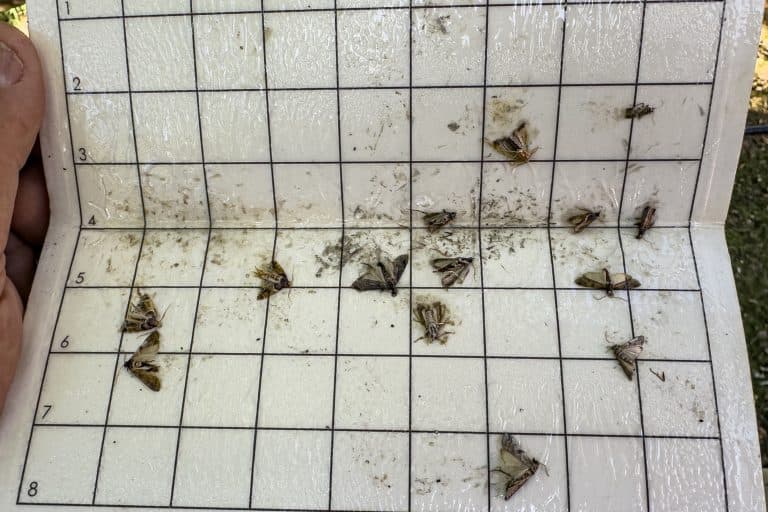
Reject levels due to navel orangeworm, NOW, have increased slightly as the harvest has progressed, the result of the third “flight,” where adult moths have laid eggs on hulls in orchards waiting to be shaken. Damage levels remain the lowest experienced in several years. But later harvesting orchards have experienced higher levels of damage. Brown Spot, the damage caused by plant bugs, particularly stink bugs continue to cause problems for growers with Independence plantings. Stink bugs are particularly attracted to Independence and are very difficult to control. While cultural practices and procedures have been developed that can mitigate damage from NOW, university research has not yet produced successful means of limiting losses due to stink bug.
As noted in our previous report, growers are reporting that per-acre yields are generally running below levels experienced in the 2025 crop. Reports of small kernels sizes have continued as growers move into later maturing varieties.
By Mel Machado
Photo Credits: Austin Jackson, Carla Youngblood, Justin Elam and Mel Machado
Northern Conditions and Bloom Status
Current weather at the National Weather Service
Central Conditions and Bloom Status
Current weather at the National Weather Service
Southern Conditions and Bloom Status
Current weather at the National Weather Service
Market Summary
Demand Drivers
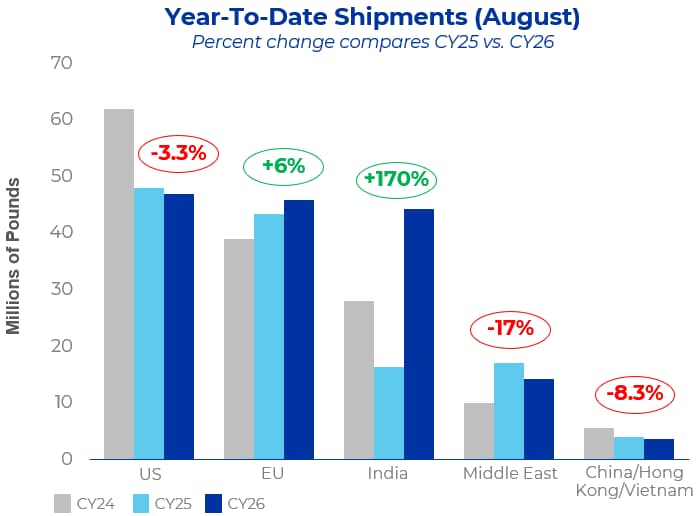
- Global shipments have exceeded prior year in six of the past seven months.
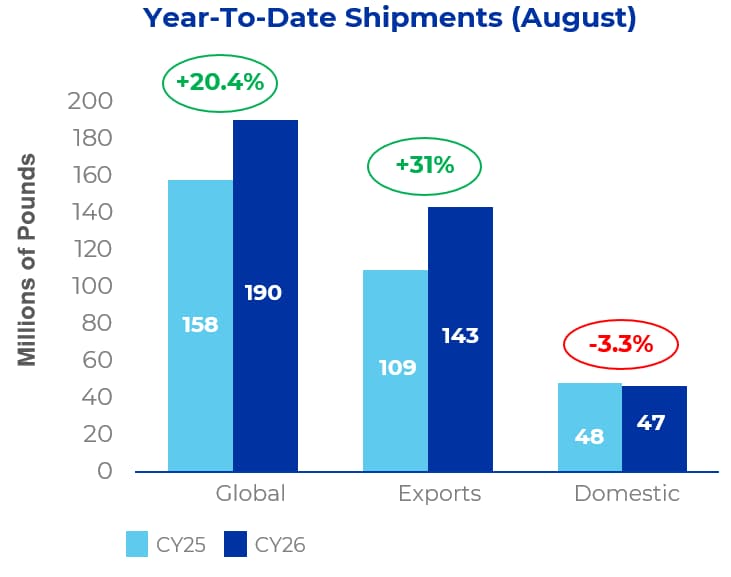
- Exports experienced a strong start to the year (+31% YOY).
- India demand surged ahead of festival season (+170%).
- Europe remained strong despite higher prices (+6%).
Demand Constraints
- Higher prices are creating buyer resistance, with some markets reducing purchase quantities or shortening coverage.
- Domestic shipments remain soft with signs of stabilization (-3.3%).
- China/Hong Kong direct shipments declined amid continued trade uncertainty (-52%).
Supply Drivers
- Harvest began two weeks early and accelerated new crop receipts for August (+55%). The increase is not a reflection of crop projection.
- Early Nonpareil quality is strong with low reject levels.
Supply Constraints
- Tighter transition between crop years due to decreased carry-in position by 2.7%.
- Yields in Nonpareil and Independence receipts are signaling a lower 2026 crop than 2025, as forecasted.
- Larger kernel sizes are increasingly limited and creating a wider gap in premiums between sizes.
Looking Ahead
Fundamentally, the industry enters the new crop year from a solid position. The 470.7-million-pound carry-in (of which only 447.1 million pounds is estimated as edible) is down from prior year and confirms the tightness in supply from one crop to the next. Downward pressure on crop potential and overall supply and demand fundamentals continue to support a stable-to-firm market outlook. Export demand remains healthy with the coming weeks expected to provide clarity on crop size, kernel sizing, and the degree to which rapidly appreciated pricing can be absorbed by end markets.
Shipment Summary
The 2026 crop year started on a positive note, meeting strong industry expectations. August shipments totaled 190 million pounds. Exports reached 143.2 million pounds, an increase of 31%, while the domestic market shipped 46.8 million pounds at a modest -3.3% decrease versus last year. With six of the last seven months’ total shipments outpacing previous year, the industry continues to experience strength in global demand.
Regional Dynamics
India: India was the clear standout in August, receiving 44.3 million pounds, up approximately 170% from 16.4 million pounds last year. The increase reflects stronger replenishment ahead of the festival season and a normalization from the unusually low August 2025 shipment level. The magnitude of the increase is notable given elevated pricing and confirms India’s continued importance as the primary outlet for California inshell almonds. Local consumption will become increasingly important ahead of festival season as buyers will begin to replenish stocks that dwindled at the end of the 2025 crop year.
China/Hong Kong/SE Asia: August shipment data highlights an ongoing shift in Asian trade flows. Vietnam posted a 10% increase versus last year, while Thailand (+84%) and Malaysia (+53%) recorded significant gains, reflecting their growing roles as processing and transshipment hubs serving Chinese demand. Direct shipments to China/Hong Kong, however, declined 52% year over year. Looking ahead, optimism remains that the September 24th meeting between President Trump and President Xi could lead to progress on trade and tariff issues, potentially paving the way for increased direct shipments into mainland China ahead of Chinese New Year.
Europe: Europe posted another constructive month, with total shipments reaching 45.8 million pounds, up approximately 6% year over year. Western Europe increased 8%, led by Italy, Germany, and the United Kingdom. Despite elevated pricing, European buyers continue to seek coverage, although purchasing remains disciplined and increasingly focused on shorter shipment windows.
Middle East: Middle East shipments totaled 14.2 million pounds, down 17% from last year. Performance varied considerably by destination. Turkey increased 113% to 7.0 million pounds, while the UAE declined 63% to 4.3 million pounds and Saudi Arabia declined 54%. The shifting regional mix, as highlighted by a 265% increase into Pakistan, continues to reflect changing trade routes, inventory positions and geopolitical/logistical disruption rather than a uniform change in underlying consumption and overall demand levels.
Domestic: August domestic shipments totaled 46.8 million pounds, down 3.3% year over year. While this may not have been the start to the year the industry had hoped for, the improvement in shipment performance over the last six months provides optimism that the market has stabilized. As prices rose over the last month, purchasing activity slowed and shifted to closer, strategic locations. This cautious approach is expected to continue. Looking ahead, domestic demand is expected to remain steady, with a pipeline of commitments providing support for shipments in the next few months.
Commitments
Cautious buying and selling due to crop size uncertainty, paired with an increase of 33 million pounds in shipments for August has commitments down 5.5% for the first report of the season. The early crop and faster receiving pace has resulted in uncommitted inventory being up by 124 million pounds at 176 million pounds for now. We anticipate this to balance out over the coming months. The table below shows commitments and sales in both domestic and export markets.
| Region | Commitments YTD | vs. PY | August 2026 Sales | August 2025 Sales |
| Global | 497.4 | -5.5% | 138.8 | 184.2 |
| Domestic | 155.1 | -9.2% | 16.5 | 54.9 |
| Exports | 342.4 | -3.8% | 122.3 | 129.3 |
Volume reported in millions of pounds
Crop
The 2026 crop is progressing rapidly with current receipts for August coming in at 401.9 million pounds. The pacing of receipts is 55% above August 2025 due to harvest beginning approximately 2 weeks earlier than prior year. The increase in receipts over last year is not a reflection of projected crop receipts for 2026.
Nonpareil and Independence varieties are largely harvested with pollinizer varieties following closely behind. In some of the most advanced areas, growers have completed orchard harvest activities and are focusing on post-harvest practices and minimizing water stress to support next season’s crop.
Current Nonpareil reject levels are the lowest in several years, though ticking up slightly, driven by a third flight of navel orangeworm. Independence rejects are trending higher than last year, mainly due to brown spot from leaf-footed plant bugs. Yields are variable in Nonpareil and Independence depending on the region. Speculation on smaller kernel sizes coming into harvest are beginning to be realized. Yields in Nonpareil and Independence receipts are signaling a lower 2026 crop than 2025, as forecasted. There is continued downward pressure on crop potential, which will be informed by pollinizer varieties that hullers are beginning to process. Next month’s report may reflect further shifts to the forecast as pollinizer volume comes in and is accounted for.
Resources
Blue Diamond Growers Crop Progress Reports
Almond Board of California Full Position Report
This report covers the conditions and activities observed from Monday, August 3, through Sunday, August 30, 2026. The next report is scheduled for Monday, September 28, 2026. In the event of any significant occurrences prior to that date, this site will be updated as soon as possible.
Following the brief heatwave experienced in the final week of July, daytime temperatures exhibited a more variable pattern during much of August. Daily maximum temperatures ranged from lower 80’s to just over 100 degrees in the northern San Joaquin and Sacramento valleys, with higher values reported in the southern San Joaquin, reaching as high as 108 degrees.
Growers dealt with a few waves of monsoonal moisture that increased humidity and brought locally heavy rain to the Central Valley’s orchards. Rain fell in eastern Fresno, Merced and Stanislaus counties at mid-month when a brief but very intense overnight thunderstorm dropped heavy rain in the Reedley area of Fresno County and just over one inch in the Hughson area of Stanislaus County. Trace amounts were also reported in the final days of the period in many areas of the valley. As shown in the photo accompanying this report, harvest operations in areas receiving the greatest amount of rainfall were modified briefly as growers conditioned the crop to remove leaves and debris and promote drying in the orchards prior to picking the crop up for hulling, shelling or stockpiling.
Harvest operations spread rapidly across California’s Central Valley during August as growers sent shakers, sweepers and harvesters through their orchards. As this report is being prepared, observers are reporting that much of the early harvesting Nonpareil and Independence varieties have been shaken and removed from the orchards, particularly along the west side of the valley. For those with plantings of self-fertile varieties, the harvest is done, and growers can move into a post-harvest mindset, with replenishing root zone moisture levels high on the list. For those with conventional plantings, the next move is determined by which pollinator variety they are dealing with. Observers are reporting that all varieties are well into hull split, with the Sonora, Aldrich and Price varieties trailing the Nonpareil very closely, allowing little time for irrigation between varieties. For those with late harvesting Monterey or Fritz, the choice to irrigate is obvious as the hulls on these varieties are just beginning to split. In any event, growers want to reduce or eliminate water stress on their orchards, balancing need to manage orchard floors for harvest with the desire to support developing flower buds that are differentiating for the next crop.
Growers throughout the Central Valley are fighting spider mite infestations. Once established, populations of these very small plant feeding spiders can grower explosively. The combination of the high temperatures over the past weeks and water stress endured during the harvest has created ideal conditions for mite development. As shown in the photo accompanying this report, web-spinning species can literally cover the trees in web. Observers are reporting severe levels of defoliation in many orchards across the valley. With that, defoliation is exacerbated by the fungal diseases rust and red blotch, which was described in our previous report.
While quality levels of the crop sent to stockpiles for later hulling and shelling will not be determined until receipt, reject levels within the Nonpareil received and tested thus far have registered at the lowest levels in several years. However, rejects have registered a slight increase in deliveries received over the past week, most likely due to the third flight or generation of navel orangeworm. Damage to the Independence variety is running at higher levels, with the greatest level of damage caused by brown spot and gum due to feeding by leaf-footed plant bugs and stink bugs. As in the past few years, evidence of damage from the beetle, Carpophilus truncatus has been noted. However, significant damage has not yet been observed.
Growers are reporting varying yields on the crop harvested thus far. Many have noted a reduced number of loads of in-hull product coming from the orchards and lower “turnouts,” the weight of finished kernels produced from each load of in-hull. Small kernel sizes have also been widely reported in all areas. This was predicted by University of California researchers as a result of the elevated temperatures experienced in the weeks following the 2026 bloom.
Much of the crop has yet to be harvested and recorded. And while yields vary widely depending on the local conditions experienced during the bloom, regional yields of the crop harvested thus far are matching industry forecasts, falling short of 2025 production.
Harvest operations will continue over the coming weeks as growers complete the Nonpareil and begin moving to the later harvesting varieties. Growers have begun shaking Carmel and California types, as well as advanced blocks of Butte and Padre as the period ended.
By Mel Machado
Photo Credits: KC Clendenin, Anthony Scudder, Justin Elam, Austin Jackson and Mel Machado


Northern Conditions and Bloom Status
Current weather at the National Weather Service
Central Conditions and Bloom Status
Current weather at the National Weather Service
Southern Conditions and Bloom Status
Current weather at the National Weather Service
This issue of Almond Facts highlights how Blue Diamond is strengthening the cooperative for long-term success through strategic investments, operational improvements, and expanded market opportunities for growers. Readers will find updates on the revised July 2026 almond crop estimate, Blue Diamond’s international brand presence at the World Cup Digital Village, market and advocacy developments, and the milestone achievement of GRAS status for almond hull powder, opening new possibilities for value-added uses. The issue also celebrates the next generation of agriculture through Foundation scholarships, leadership development, and stories that showcase the cooperative’s ongoing commitment to innovation, grower success, and the future of California almonds.
OVERVIEW
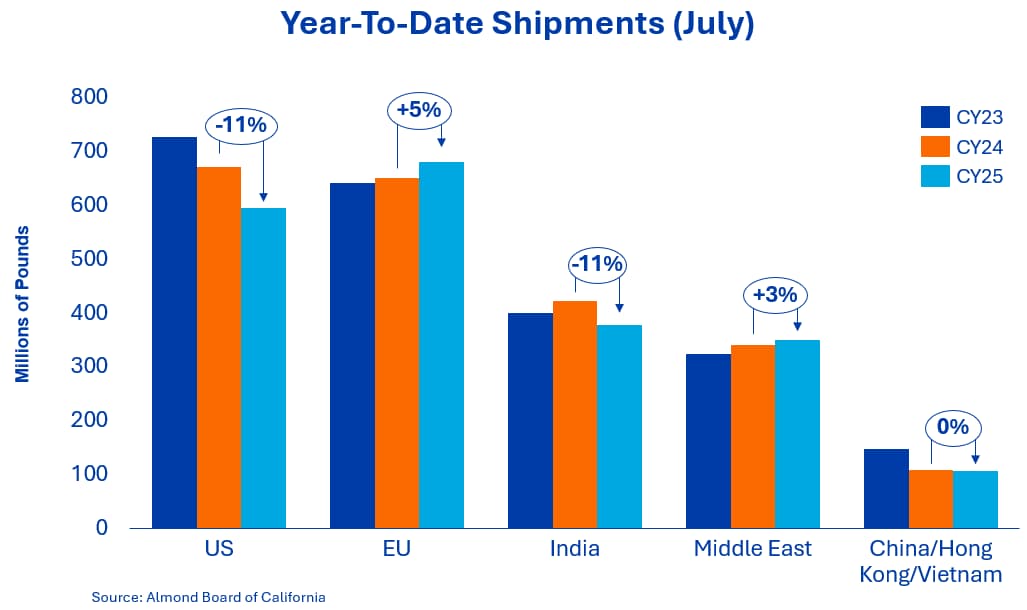
The Almond Board of California released the final Position Report for the season, which represented a strong finish for the industry. July shipments totaled 203.5 million pounds, slightly above industry expectations at a 3.3% increase versus prior year. Exports reached 150.3 million pounds for the month, up 2.3% from prior year. Exports continue to be growth markets for the almond industry, closing the season at a 3% increase versus prior year, with total shipments at 2.03 billion pounds. Domestic shipments for July saw an exciting increase of 6.2% compared to the previous year. Domestic year-to-date shipments now total 595.3 million pounds, down 11.3% for the season. Total industry shipments through July have now concluded at 2.63 billion pounds, a decrease of 0.64%.
SHIPMENTS
India: India shipped 34.3 million pounds in July, down approximately 25% versus last year, and finished the crop year at an 11% decrease of 378.5 million pounds. The decline primarily remains related to inshell, with crop year 2025 availability constrained following reduced inshell production earlier in the season.
Despite the year-over-year shipment decline, underlying consumption remains constructive as it heads into the festival season. Local inventories remain relatively lean, while early new-crop sizing concerns have increased urgency around larger Nonpareil and Independence inshell. Buyers remain highly price-sensitive and tactical, but with Diwali demand approaching and replacement supply still uncertain, India should remain an important source of demand during the opening months of the new crop year.
China/Hong Kong/SE Asia: China/Hong Kong’s July shipments totaled just under 1.0 million pounds, with year-to-date volumes finishing 34% behind last year at 33.3 million pounds. With ongoing concerns over quality of the Australian crop (color and roastability), California could be positioned to regain share heading into crop year 2026.
July shipments to Vietnam totaled 2.69 million pounds. Despite the July slowdown, Vietnam remains the growth driver in the region, having imported 74.6 million pounds for the season and finishing with a standout increase of 30% on the year. In total, Southeast Asia was a strong destination for California almonds, finishing up 26% on the year.
Europe: European shipments totaled 51.7 million pounds in July, approximately 7% below last year, while full-year shipments reached 681.2 million pounds, nearly 5% up. Western Europe finished approximately 3% ahead, while Central and Eastern Europe increased 31% year over year.
Spain was one of the year’s strongest major markets, finishing at 199.3 million pounds, up 19%, while Italy increased 9%. Germany finished approximately 5% below prior year and the Netherlands declined 23%. Belgium also posted substantial growth, increasing 69% for the crop year.
Near-term activity remains seasonally subdued during Europe’s summer holiday period, but many buyers entered summer with limited Q4 coverage. We expect purchase activity to increase as processors return and begin securing requirements for fall and holiday production.
Middle East: In July, the Middle East received 20.1 million pounds versus 14.4 million last year, an increase of approximately 39%. Full-year shipments reached 351.3 million pounds, 3% ahead of the prior year despite regional geopolitics. This highlights the resilience in demand from the region.
With the UAE down 24% on the year, Turkey remains the standout, shipping 10.8 million pounds during July (more than double last year) and finishing the crop year at 156.6 million pounds, up 45%. Turkey has become an increasingly important kernel market and remains an attractive growth region for California almonds. Buyers will be looking to source early new crop shipment windows in preparation for the Ramadan holiday.
Domestic: The domestic market finished the crop year 11.3% behind last year following a strong finish to the season. July domestic shipments totaled 53.2 million pounds, marking the largest monthly shipment volume of the crop year and capping a five-month stretch in which shipments were down just 0.4% year over year. This is a significant improvement from the 18% decline recorded during the first seven months.
While domestic demand remained below prior-year levels, the significant improvement in shipment performance throughout the second half of the crop year suggests the market has stabilized. Purchasing activity gradually shifted toward securing new crop coverage as current crop availability tightened and confidence in the new crop grew. Looking ahead, domestic demand is expected to remain steady, with a healthy pipeline of commitments providing support for shipments in the early months of the new crop year. Overall, continuously improving demand trends, balanced supply fundamentals, and disciplined buying behavior should provide a stable foundation for the market.
COMMITMENTS
Total commitments continue to be strong at 246.2 million pounds, pacing ahead of last year by 14.3%. New monthly sales for the current crop were 81.3 million pounds. The domestic market secured 16.6 million pounds, while exports added 64.7 million pounds of new coverage. Total current crop commitments for the domestic market are now at 108 million pounds while exports have reached 138 million pounds. Uncommitted inventory is now down 17.18% at 248 million pounds versus 299 million pounds prior year.
New crop sales were reported at 155 million pounds. The domestic market’s new crop commitments now stand at 77 million pounds, while export commitments have reached 225.5 million pounds, bringing total new crop commitments up to 302.5 million pounds.
CROP
The 2026 harvest is in its early days, with receipts just beginning to come in. Northern and Southern growing regions began harvest at the end of July, and the Central region is ramping up this week.
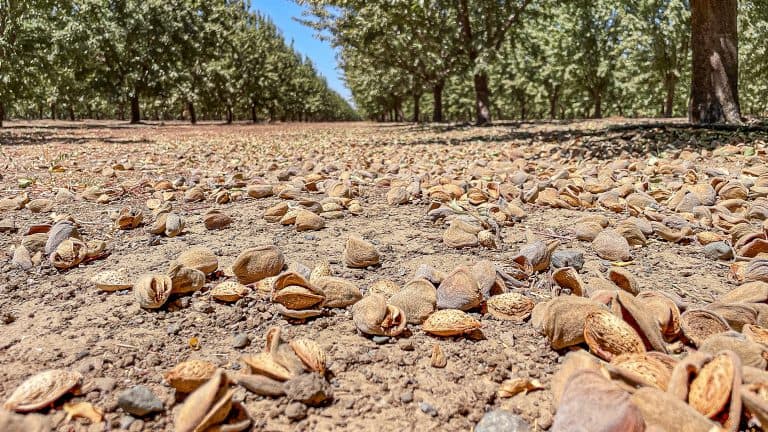
In the orchard, harvest timing between different varieties appears to be compressed compared to previous years. With multiple varieties ready to harvest, growers are making decisions on how to sequence and manage irrigation and navel orangeworm (NOW) controls. Early observations on quality are better than last year in early harvested varieties, but because of compressed variety timing, we’ll be tracking quality as the season progresses.
Huller-shellers are running faster than last season, and the overall crop continues to track roughly two weeks ahead of the 2025 crop. Hot and dry conditions have accelerated harvest timing by drying the crop more quickly, ultimately pushing nuts through the huller-shelling process faster than normal.
Early observations point to kernel sizes running smaller so far this season. This is an early read, and receipts from the Central region are needed to form a complete statewide picture on sizing. Over the next few weeks, crop comparisons will begin shaping sentiment around turnouts, crop quality and size.
MARKET PERSPECTIVE
The 2025 crop year ultimately demonstrated considerable resilience across the global landscape. Despite domestic shipments declining by double digits and buyers remaining highly price-conscious throughout the year, exports reached record levels and total shipments nearly matched prior year. More importantly, the industry is entering crop year 2026 with less than 500 million pounds of carryout, substantially higher commitments, and 17% less uncommitted inventory than one year ago.
The opening weeks of harvest have added another layer of support. Early reports indicate smaller-than-normal kernels, while final crop volume and turnout remain uncertain. These observations remain preliminary, but they have encouraged sellers to maintain disciplined offers while buyers evaluate replacement requirements. Many markets remain relatively lightly covered for calendar Q4, current crop availability is limited, and growers have little incentive to aggressively market new crop before better understanding their production.
As harvest progresses, greater physical availability should improve liquidity, but the industry’s starting position remains fundamentally healthy. Pricing is expected to remain supported as the market balances new crop receipts against uncovered global demand. Buyers should continue to evaluate coverage proactively, particularly for larger sizes and premium specifications where availability may remain more constrained.
The 2025 crop year finished on a strong note, and we enter the 2026 harvest with healthy fundamentals, manageable inventories, and encouraging demand prospects.
ADDITIONAL RESOURCES
Blue Diamond Growers Bloom Reports
Almond Board of California Full Position Report
This report covers the conditions and activities observed from Monday, July 6, through Sunday, August 2, 2026. The next report is scheduled for Monday, August 31, 2026. In the event of any significant occurrences prior to that date, this site will be updated as soon as possible.
Warm summer temperatures dominated the conditions in California’s Central Valley during much of July, with a significant heat wave developing during the final week of the period. Daily maximum temperatures ranged predominately between the mid- and upper 90’s to just over 100 degrees with highest temperatures reported in the southern San Joaquin Valley. Morning lows exhibited greater variability, with readings ranging from the low 50’s to lower 70’s, depending on the degree of cloud cover each morning. Temperatures were amplified by monsoonal moisture traveling northward, bringing occasionally cloudy skies and increased humidity. Increasing daytime temperatures materialized in the final days of the period, marking the start of a significant heat wave. Temperatures were reported to be between 102 to 105 degrees, with higher temperatures forecast for the first week of August.
The annual return of summertime monsoon flows stirred a bit of apprehension among California’s almond growers, as memories of the challenging 2025 harvest season were rekindled. With that in mind, growers and huller/sheller operators alike worked to complete final pre-harvest tasks during July, focusing on crop maturity that is running well ahead of normal.
Insect and vegetation management were prime considerations during the period. As noted in our previous report, treatments to protect early harvesting varieties from damage by navel orangeworm were initiated in June, causing the early or advanced crop and pest development. As the crop continues to develop, secondary treatments, intended to catch the insect’s next generation and protect mid and later maturing varieties, were completed in July. As a reflection of the year’s advanced crop development, second treatments have been conducted in roughly the same time frame that initial applications would have been in “normal” years.
As for other pest issues, observers are reporting increased population of web-spinning mites in the Sacramento and southern San Joaquin Valleys. Control at this stage of crop development presents several challenges and the forecast heat wave promises to expand existing infestations. Treatments targeting almond-damaging ant species have also been performed, including second applications in cases with particularly high populations.
Observers are reporting widespread instances of red blotch infections in orchards throughout the Central Valley. As may be seen in the photo accompanying this report, if untreated, red blotch can cause severe foliar damage. However, symptoms of this new fungal disease do not appear until 30 to 40 days after infection. Easily spread by airborne spores that are activated by rain events, and potentially by irrigation, this disease spread from a single orchard in Merced County in 2024 to most of the Central Valley by 2025. Orchards that did not receive adequate protection, or any treatments at all are presenting significant symptoms, with the worst infections beginning to defoliate the trees. This is especially problematic in orchards that have been abandoned. Leaf rust, which follows a similar symptomology, has also been observed.
After delaying or deferring mower passes during the growing season to control costs, vegetation management on the orchard floor became particularly important during the period. Growers must provide for a clean, firm soil surface within the orchard middles (the area between the tree rows), to facilitate an efficient harvest. Where warranted, treatments to control weed regrowth, followed by flail mowers running close to the soil surface, provide the best conditions for a clean harvest.
Crop maturity also made irrigation management a focal point. Machinery passing through the orchards must be timed between irrigations to prevent rutting of the surface. For those working to employ regulated deficit irrigation (RDI) described in our previous report, the hotter temperatures complicate grower decisions. Under RDI, growers reduce irrigation to one-half of the orchard’s consumptive use for a two-week period at the initiation of hull split. Keeping in mind that water consumption increases as temperatures rise, in extreme cases, normal irrigation scheduling can result in one-half of consumptive use. For those with orchards ready for harvest, water must also be withheld to prevent bark damage during shaking.
Owing to the advanced crop maturity, harvest operations of the 2026 crop were launched in mid-July. Observers reported the shakers entered the first orchard on July 10 in western Colusa County. Shakers began working in other advanced plantings along the west side of the Sacramento and San Joaquin valleys during the week of July 12 and the first crop to be picked up was delivered to huller/shellers during the week of July 19. For those along the east side and along the Highway 99 corridor, shaking of advanced blocks is expected to begin during the first week of August.
Growers and observers have noted that hulls have begun splitting in several pollinator varieties, indicating a potentially compressed harvest. However, how the crop will flow though huller/shellers will be determined as more crop arrives in the first weeks of August. Observers have noted thick hulls in many orchards that can potentially reduce flow rates during hulling.
By Mel Machado
Photo Credits: Nicole Jansen, Carla Youngblood, Anthony Scudder, and Mel Machado
Northern Conditions and Bloom Status
Current weather at the National Weather Service
Central Conditions and Bloom Status
Current weather at the National Weather Service
Southern Conditions and Bloom Status
Current weather at the National Weather Service
OVERVIEW
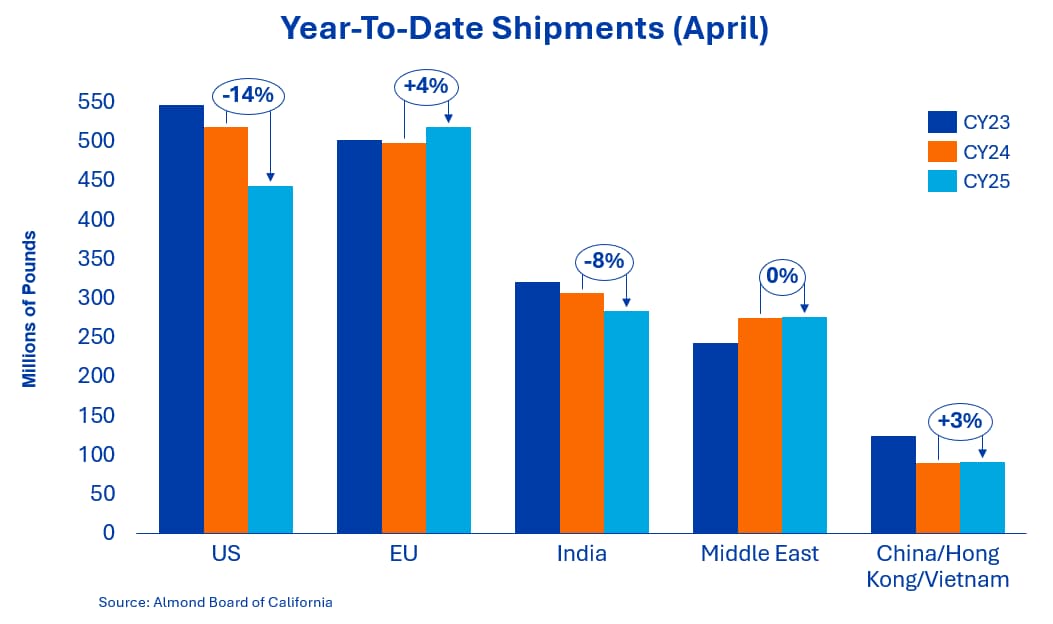
April shipments totaled 219.8 million pounds, within industry expectations at an 8.8% decline year over year on the heels of the last two strong shipment reports. April exports reached 167.3 million pounds, down 10.9% from prior year but continue to surpass last year’s pace by 1.3% at 1.55 billion pounds. Domestic shipments for April were mostly flat at 1.3% behind prior year. Domestic year-to-date shipments remain behind at 444 million pounds, down 14.4%. Total industry shipments through April stand at 1.99 billion pounds, down 2.7% versus last year.
SHIPMENTS
India: For the month of April, India imported 31.6 million pounds, a significant reduction from last year’s 45.9 million pounds. Compared to last year, the gap has widened to 8%. The market has taken a step back as warmer temperatures have reduced local consumption. India remains a strong player for global inshell consumption and will need to re-engage to secure inventories ahead of new crop supply.
China/Hong Kong/Vietnam: April 2026 shipments to China/Hong Kong totaled 3.7 million pounds, marking a 110% increase compared to prior year. Shipments to Vietnam reached 4.8 million pounds, down 34% for the month and up 46% year to date. Combined shipments to these regions increased 2.65% year to date.
Europe: Europe took a slight step back this month, with its growth rate declining year over year from 7% to 4%. The market continues to be a solid performer and reliable outlet for California almonds. Buyer mentality has not changed all year. Calculated and cautious buying activity should be expected to continue through the end of the crop year, with many beginning to shop for new crop coverage. Spain (+17%), Italy (+9%), and Germany (+4%) continue to lead the region’s growth.
Middle East: The region continues to be hampered by the conflict in Iran. Buyers in the Persian Gulf region continue to take a wait-and-see approach with little appetite for risk. Demand is still present across the region, but logistical challenges and increased transportation costs make it difficult to take positions. Trade flows continue to evolve with new destinations now serving as trade hubs with Dubai unable to participate. Turkey continues to show strength, up 35%, while Pakistan, now up 202%, has emerged as a new throughput option to service the region’s demand. Trade will always find a way if buyers want to engage, but until a resolution is reached, the industry will continue to define a new normal over the coming weeks and months.
Domestic: The domestic market shipped 52.6 million pounds, resulting in a decrease of 1.3%. April was the second largest shipment month of this crop year, bringing the market year-over-year decrease to 14.4%. Softer monthly sales have led to forward commitments declining by 5.2%. After a long period of steep declines, it appears the domestic market is maintaining its new monthly shipping average just shy of 50 million pounds. With forward commitments of 199 million pounds, this market is well positioned to match prior year’s final quarter shipments of approximately 152 million pounds.
COMMITMENTS
Total commitments currently stand at 517 million pounds, trailing last year by 1.6%. New sales for the month were subdued in anticipation of the Subjective Estimate and totaled 160.7 million pounds, down from 192.5 million last year. The domestic market secured 39.9 million pounds, while exports added 120.8 million pounds of new coverage. Total commitments for the domestic market are now at 199.6 million pounds while exports have reached 317 million pounds. With softer sales for the month, uncommitted inventory is currently up 4.2% at 605.8 million pounds versus 581.5 million pounds prior year.
CROP
The 2025 crop receipts are trickling in with just 4 million pounds added in April, bringing the receipts to approximately 2.69 billion pounds.
Blue Diamond’s May 9, 2026, Crop Estimate Report projects a California almond crop ranging between 2.675 and 2.72, with a center point of 2.69 billion pounds. The overall estimate reflects a balanced but cautious outlook acknowledging weather impacts, orchard abandonments, and summer conditions which determine whether the crop reaches projected potential. The Blue Diamond crop estimate is closely aligned with similar estimates by the USDA Subjective Estimate (2.7 billion pounds) and others in the industry. We will continue to share crop updates in our June Market Report and our July Crop Forecast Report to provide a more precise forecast as we progress through harvest.
MARKET PERSPECTIVE
Overall, the market outlook for the final months of the season remains positive, supported by strong global demand, and well-balanced supply, which is expected to stabilize pricing heading into new crop. We anticipate consistent performance from the domestic market for the remainder of the season, and despite the challenges in trade flow given the geopolitical environment, exports continue to put on a strong performance year to date. Final shipments for the crop year should result in a manageable carryout. Consistent estimates for the 2026 crop paint a similar picture to 2025, dictating a well-balanced market. Disciplined selling and buying behaviors should lead to a market that is stable to firm, providing a runway for consistent booking activity throughout the crop year.
ALL ADDITIONAL RESOURCES
Blue Diamond Growers Crop Estimate
Blue Diamond Growers Bloom Reports
Almond Board of California Full Position Report
This report covers the conditions and activities observed from Monday, April 27 through Sunday, May 31, 2026. The next report is scheduled for Monday, July 6, 2026. In the event of any significant occurrences prior to that date, this site will be updated as soon as possible.
California’s Central Valley experienced highly variable weather conditions during May, with wide temperature swings serving as the norm for the period, punctuated by a few days of rain.
Daily maximum temperatures ranged from the lower 60’s to nearly 100 degrees during the month, while minimum temperatures exhibited more stability, ranging from the lower 40’s on the chilliest mornings to mid-50’s under “balmier” conditions. Brisk winds also blew through the orchards on several days during the month, with sustained speeds at double digit levels and gusts reaching over 20 mph. While skies were clear and dry on the majority of days, late season storms in the opening and closing days of the period brought measurable rain to much of the Central Valley. Rainfall totals were generally limited to a few hundredths of an inch. However, the final storm of the month proved more vigorous. While most areas reported receiving from .25 to .60 inch of rain, a particularly strong cell passing over Yolo County dropped over an inch of rain near the community of Davis.
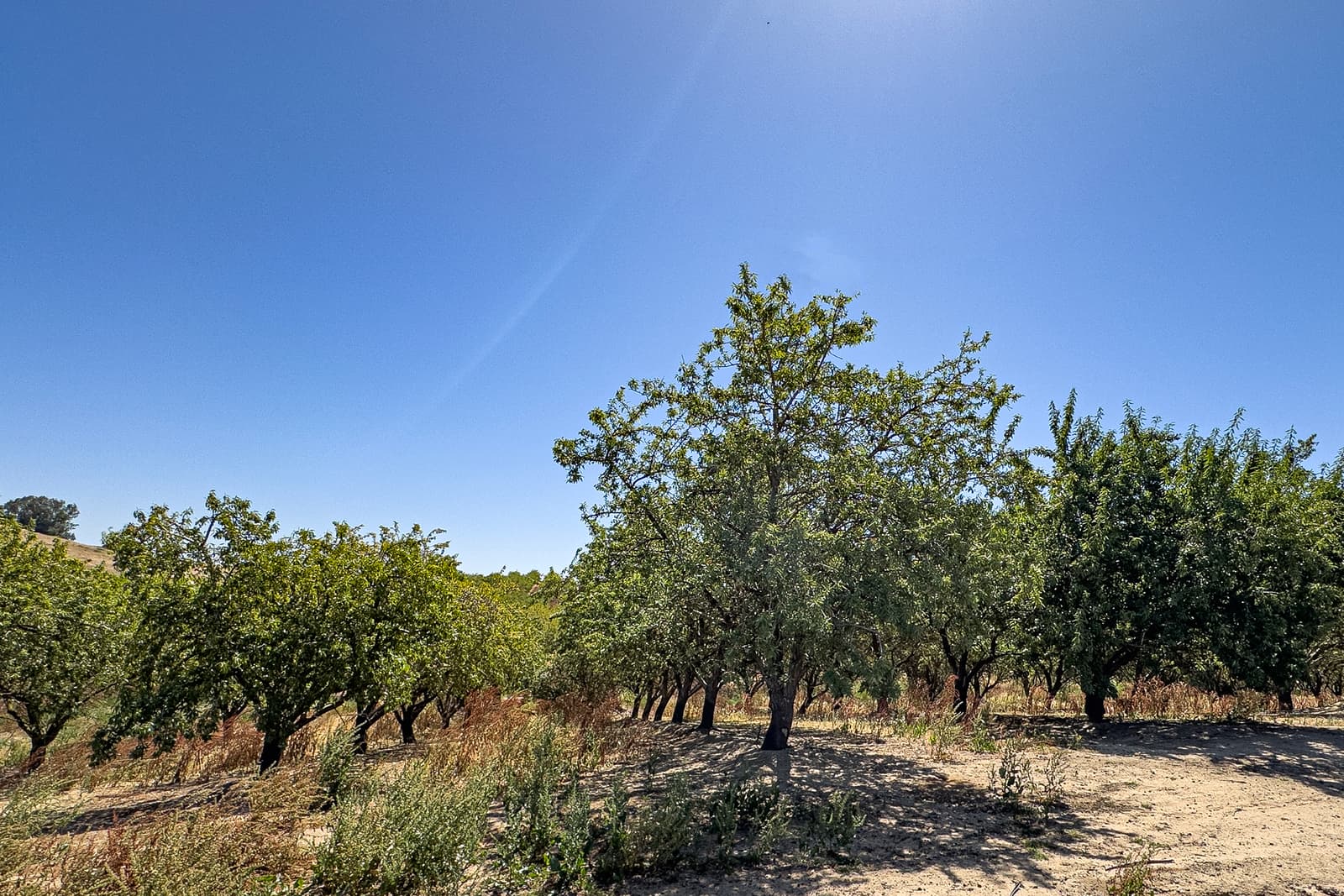
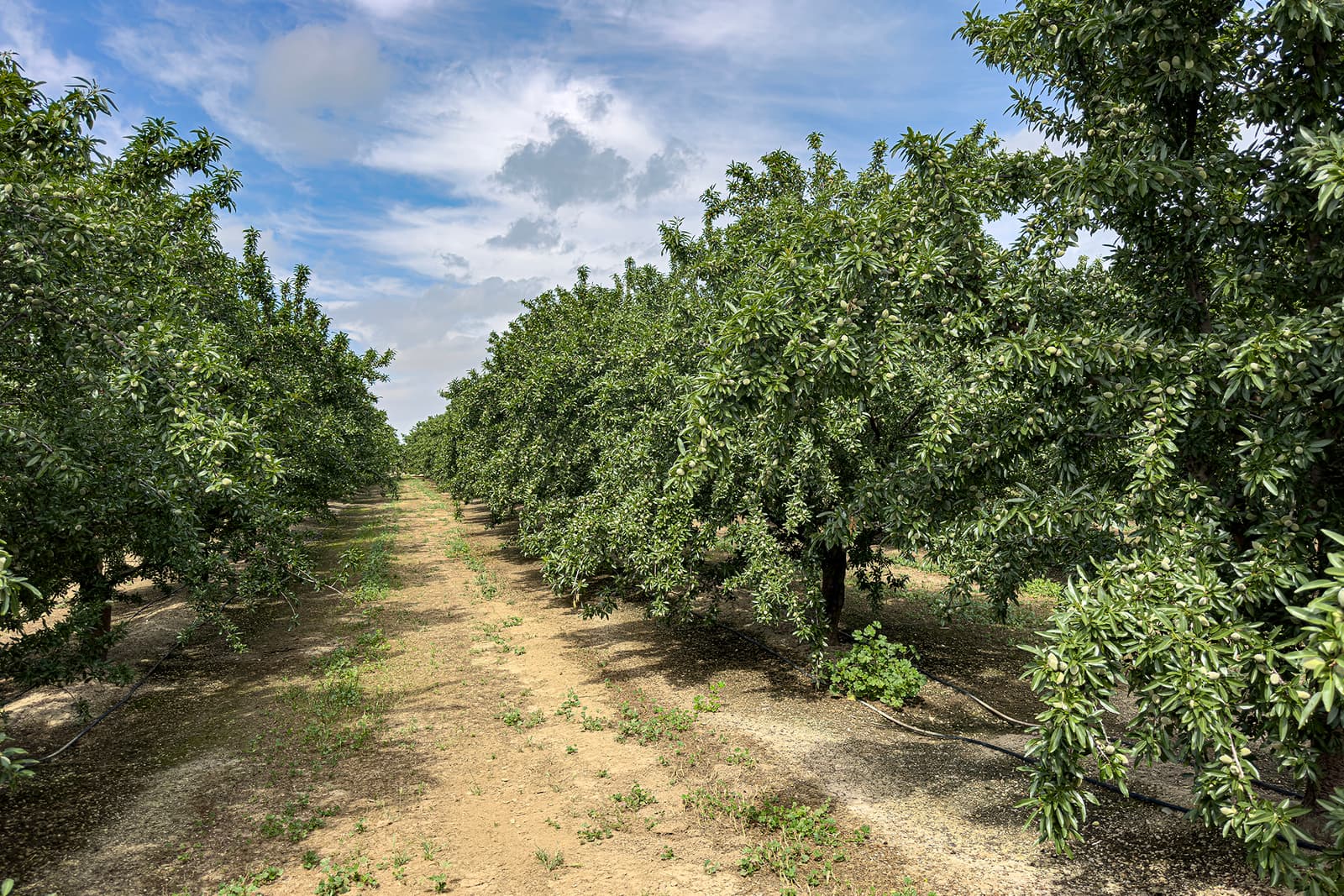
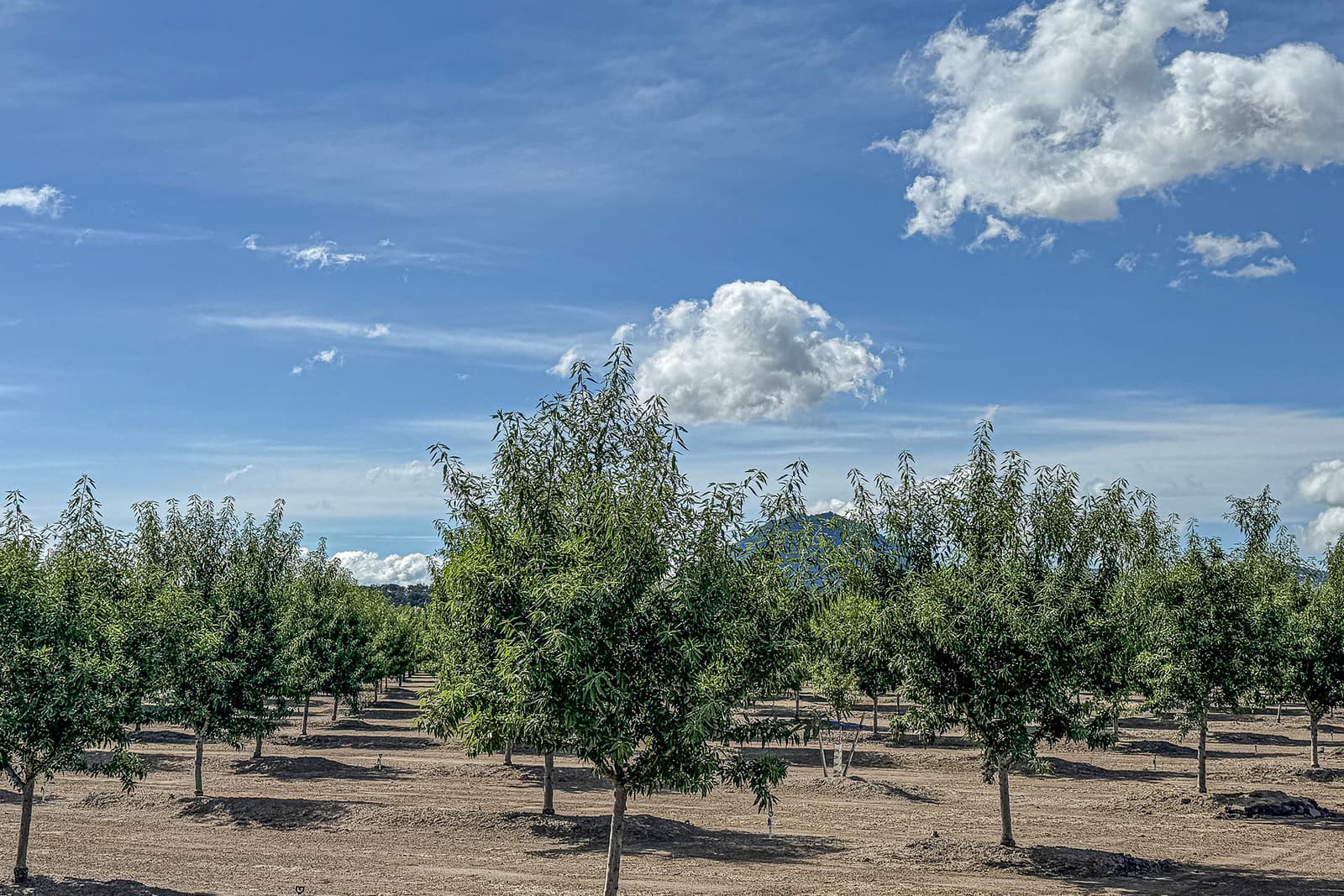
May 2026 continued the pattern of late-spring storm systems that began in April. Grower activities were largely focused on vegetation management, fertilization, and irrigation, which was offset by adequate rainfall in some cases. While the wet conditions have increased concerns for fungal infections on the foliage and developing nuts, most growers feel that they have adequate protection provided by previous treatments. The rain events have limited the expansion of web-spinning mites and observers are reporting that the orchards are in generally good condition in all areas of the valley. Areas with the strongest winds experienced some blown-over trees, broken branches, and nut loss. However, losses have been minimal.
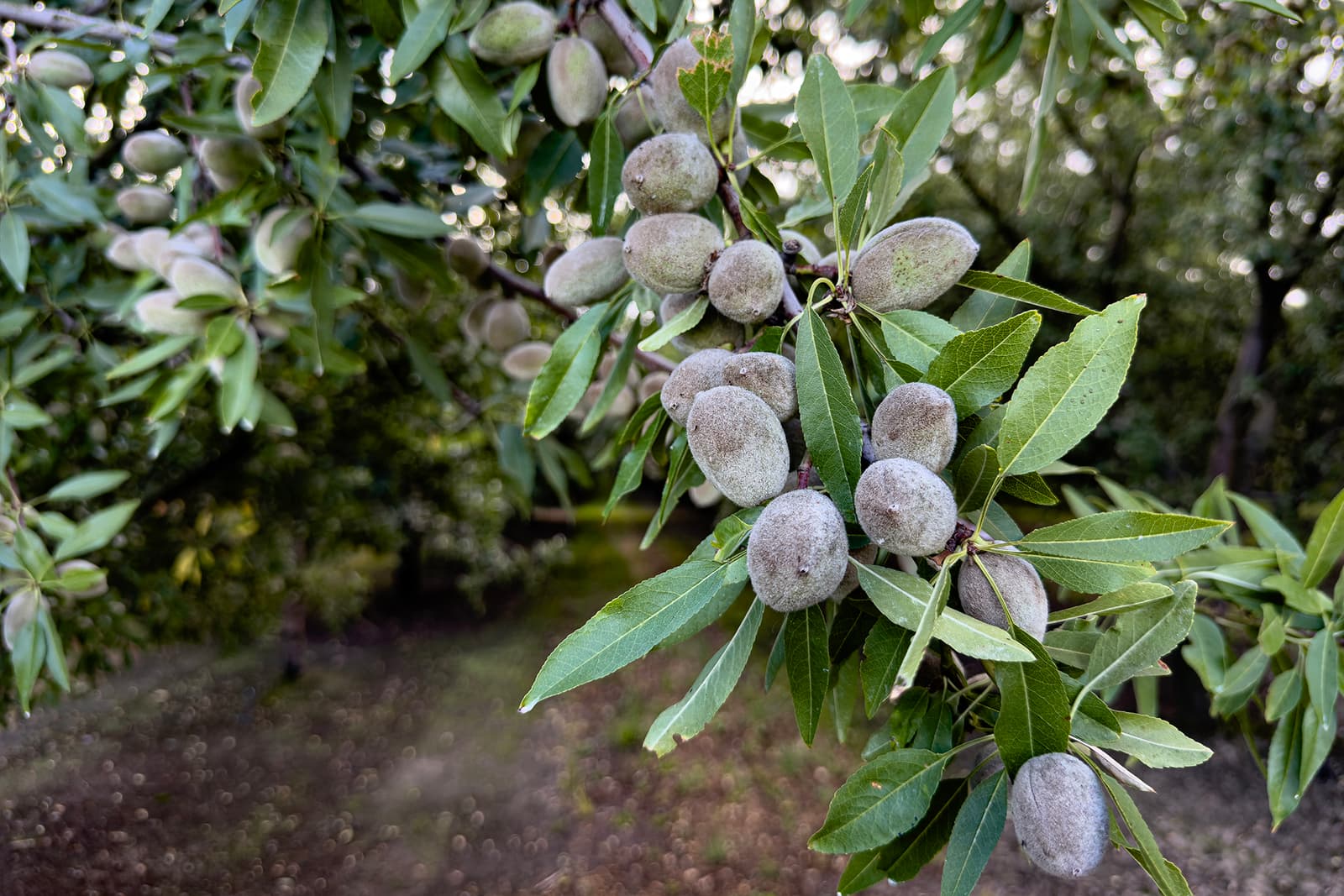
Kernels in all varieties became fully solidified during the month, providing the first confirmation of the crop maturity since the completion of the bloom. There is now strong solidarity that the crop is running approximately 10 days ahead of “normal” in all areas.
While June temperatures can influence exact timing, many believe the hull split will follow the current advanced timing, with the split in advanced examples of early maturing varieties expected during the week of June 21.
As May concludes, many growers were winding down applications of fertilizer materials, and mowing vegetation in the orchard middles to manage the orchard floor in advance of the upcoming harvest. Growers whose orchards have high populations of almond feeding ants have begun the earliest treatments using bait formulations to target them. Some of these materials require several weeks to effectively reduce the ant populations and need to be applied as much as eight weeks prior to harvest.
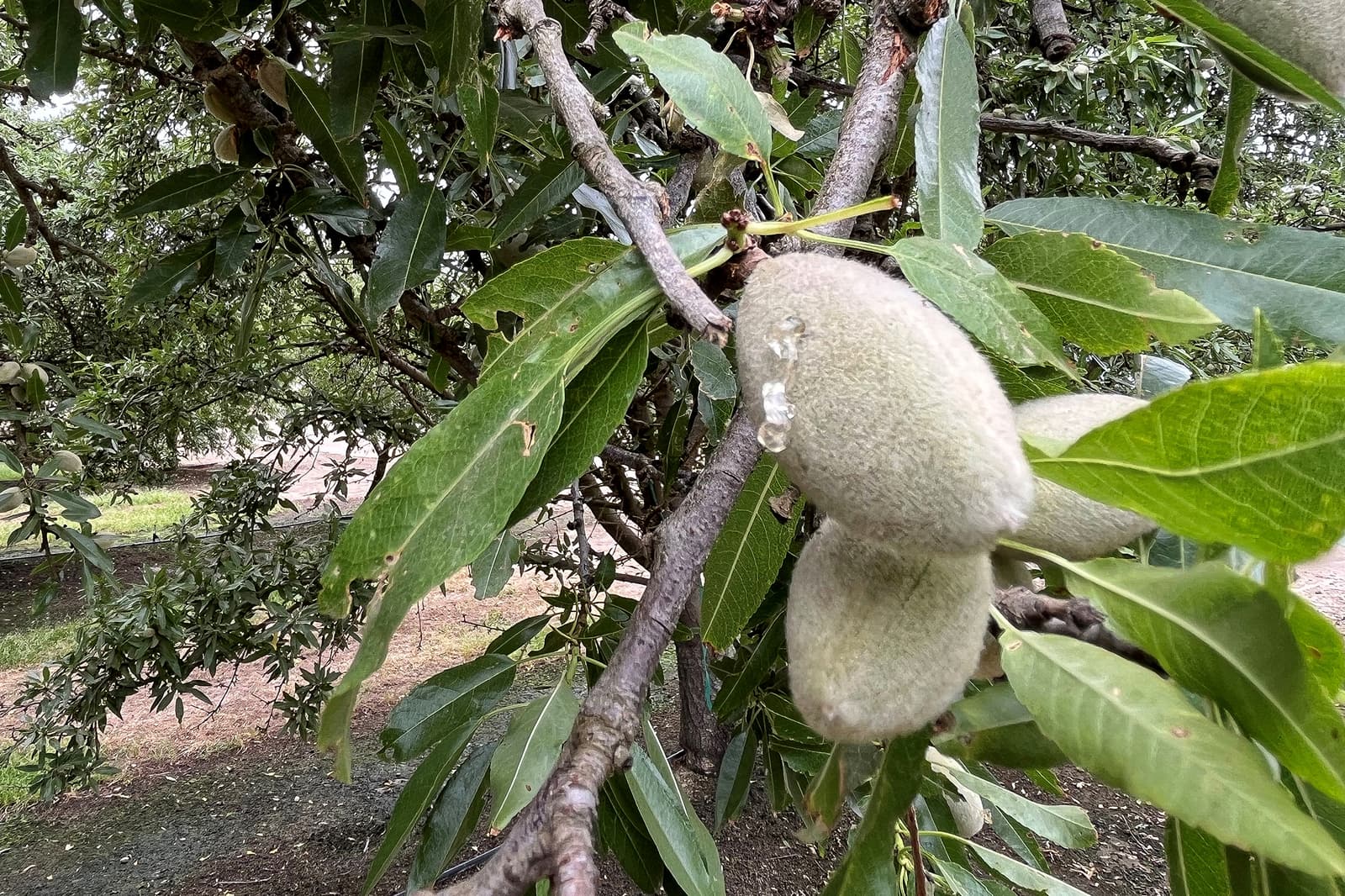
Growers and their pest control advisers, (PCAs), have been monitoring orchards for signs of leaffooted plant bugs and stink bugs. Brown spot, the damage resulting from the feeding of these insects on the developing nuts has been increasing for several years. Pheromones have been developed and are being tested in orchards to combat leaffooted plant bugs as PCAs work with university researchers to develop protocols for implementation. Growers have treated increasing populations of these insects where warranted.
Growers have also begun preparations for hull split treatments to control navel orangeworm (NOW). In anticipation of the advanced timing this year, growers are shifting their attention to spotting the discoloration and splitting of blank nuts at the top of the orchard canopy and along the tree rows at the edge of the orchards. These blanks (nuts that formed a hull and shell but were not fertilized during the bloom and have no kernel) split approximately ten days ahead of the sound nuts that contain almond kernels. These serve as a signal of the approaching hull split. By monitoring the split of blank nuts, growers and their pest control advisers can fine tune treatment timing during the split to optimize control.
Low and minimal care orchards, as well as abandoned plantings, are present in all areas. Pest management programs have grown complicated for many growers managing plantings near abandoned/low care orchards due to adult NOW moths moving into their orchards to lay eggs on the splitting hulls. Orchard sanitation (the reduction of NOW residing within the orchards) is the foundation of NOW management. NOW adults migrating from nearby sources have created significant financial hardship and mounting frustration for growers in recent years.
By Mel Machado
Photo Credits: Austin Jackson, Anthony Scudder, KC Clendenin, Christine Ivory and Mel Machado
Northern Conditions and Bloom Status
Current weather at the National Weather Service
Central Conditions and Bloom Status
Current weather at the National Weather Service
Southern Conditions and Bloom Status
Current weather at the National Weather Service
This report covers the conditions and activities observed from Monday, June 1, through Sunday, July 5, 2026. The next report is scheduled for Monday, August 3, 2026. In the event of any significant occurrences prior to that date, this site will be updated as soon as possible.
Warm temperatures and generally clear skies reigned over California’s Central Valley during the spring to summer transition. Daily maximum temperatures were reported predominately in the mid-80’s to mid-90’s, with highest readings reaching just over 100 degrees for a few days during the second week of the period. Windy conditions dominated during the period with speeds ranging from 15 to 20 miles per hour on many days.
Orchard activities during June focused on preparations for the rapidly approaching harvest. As noted in previous reports, crop maturity has been running approximately ten days ahead of “normal” in all areas. Accordingly, the first signs of hull split were noted on early maturing Nonpareil and Independence varieties in mid-June. As the split has progressed, growers began hull split treatments to control navel orangeworm during the week of June 21, and initial treatments have been completed as this report is being published. While web-spinning spider mites have not presented significant challenges this year, those with increasing mite and stink bug populations have included materials to reduce losses from these pests as well.
Fertilizer applications have largely been completed, but irrigations continue. The comparatively mild temperatures experienced thus far this year have generally allowed growers to keep up with their orchards’ water requirements. As the hull split progresses, many will work to limit irrigation to one half of the orchard’s consumptive use for approximately two weeks to reduce fungal infections on the splitting hulls. The practice of “Regulated Deficit Irrigation” was developed by University of California researchers to reduce hull rot. While hull rot poses no concern for the hulls themselves, the infections produce toxins that kill fruiting wood, potentially impacting subsequent crops. Applications of ant bait formulations targeting species that can damage almonds while on the ground have also been conducted, timed between irrigations for greatest efficacy.
Efforts to prepare the orchard floor have also come into focus. Rising fuel costs have inspired many to limit the number of machinery passes in an effort to control costs. Now that the harvest is drawing near, eliminating the vegetation on the orchard floor takes on greater importance. While the orchard middles, the area between the tree rows, are mowed, the area directly beneath the tree row (strip) can pose a greater challenge as mowers cannot be used. Decisions earlier in the year regarding weed control within the strip can have significant impacts later during the harvest. Excess vegetation within the tree row prevents blowers mounted on orchard sweepers from moving crop into the orchard middles for harvesting, effectively reducing the amount crop removed from the orchard.
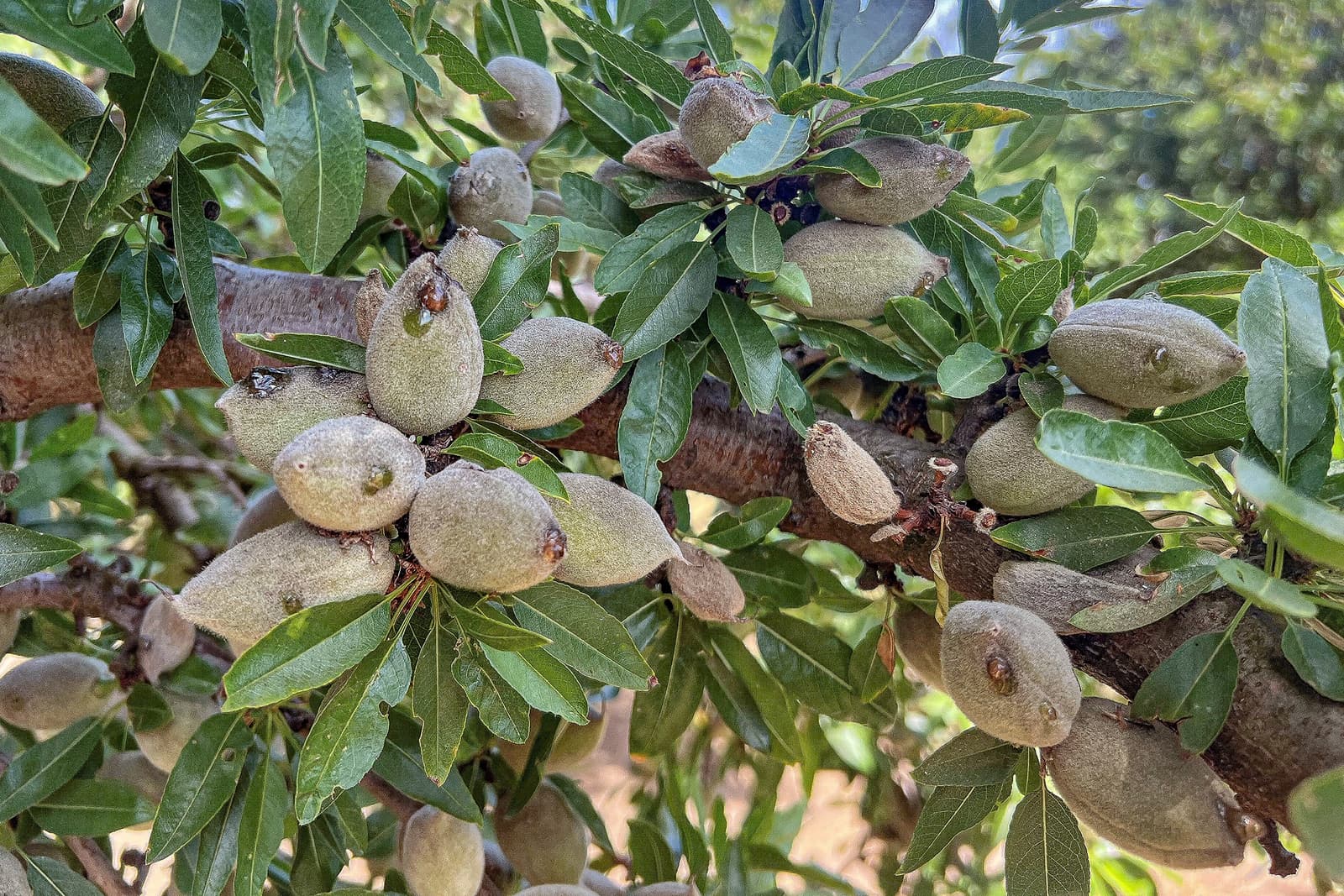
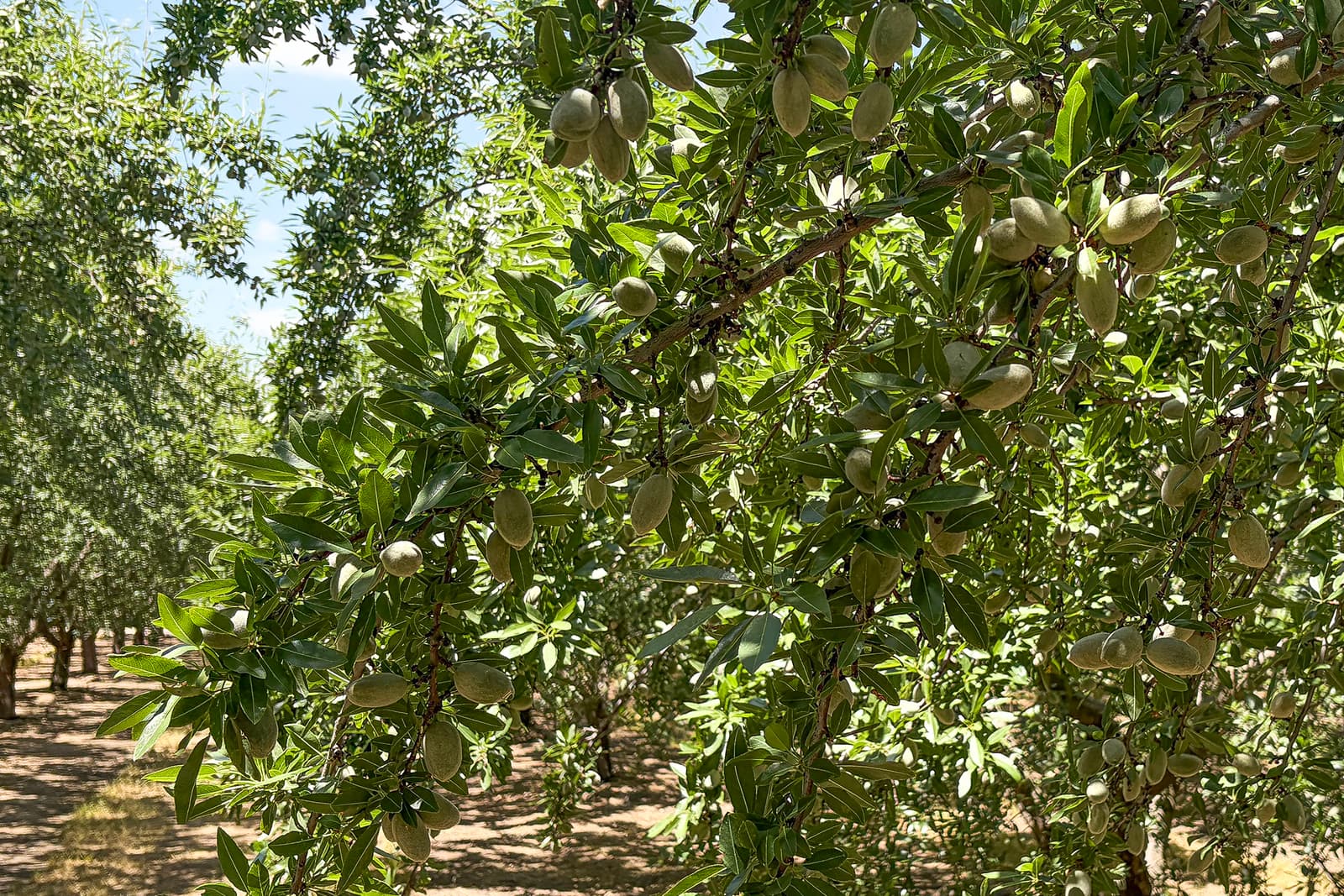
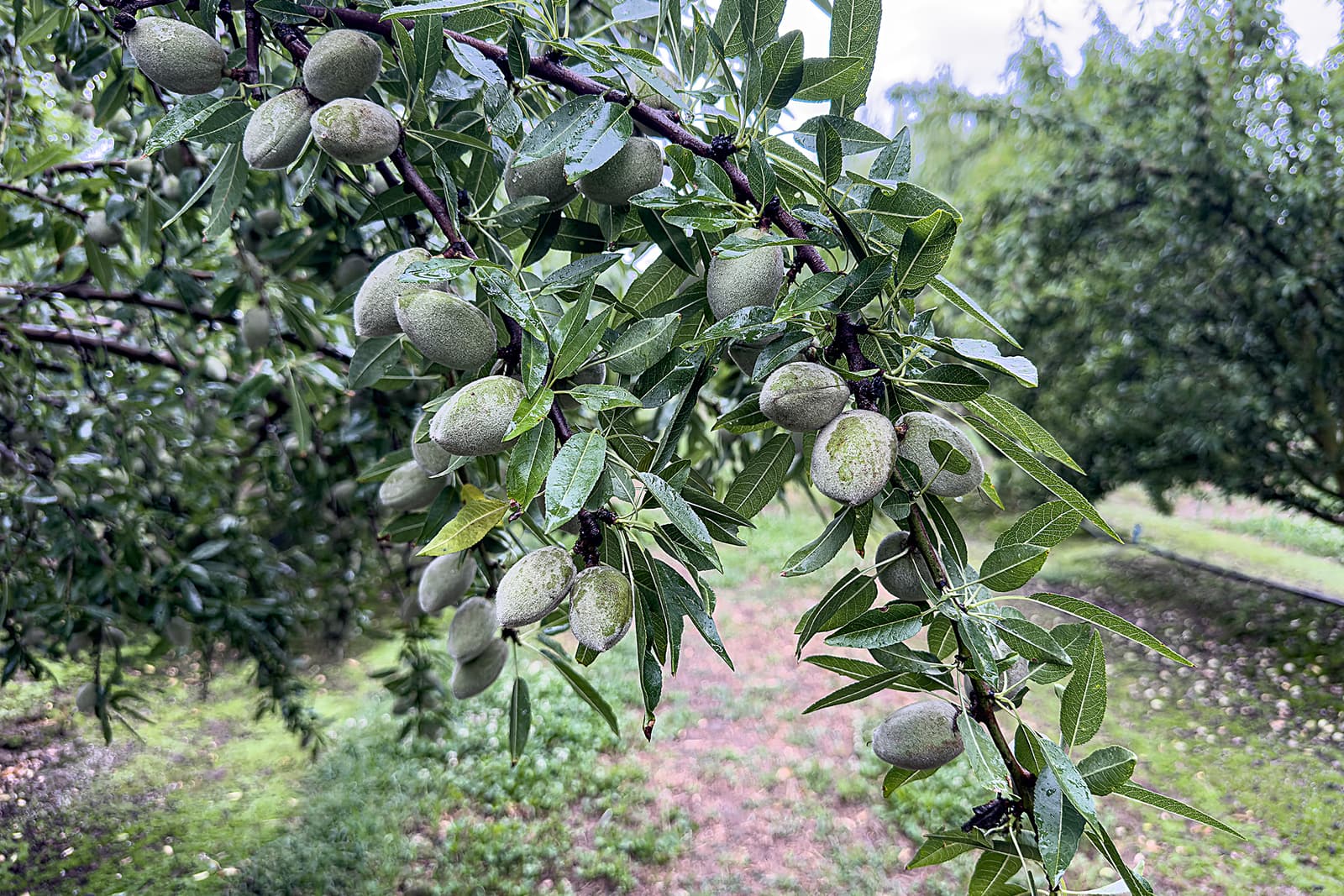
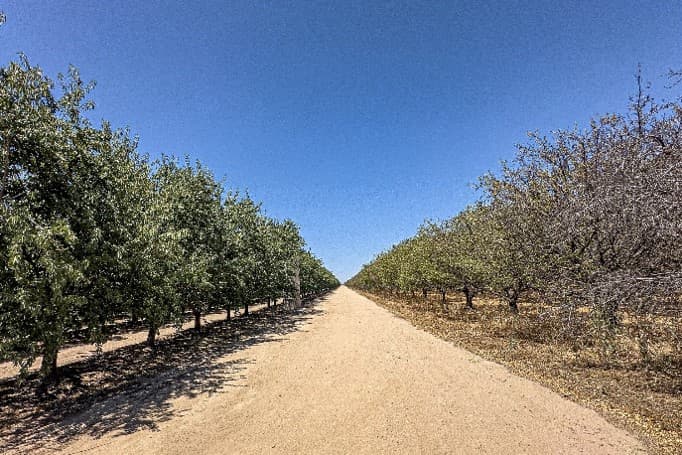
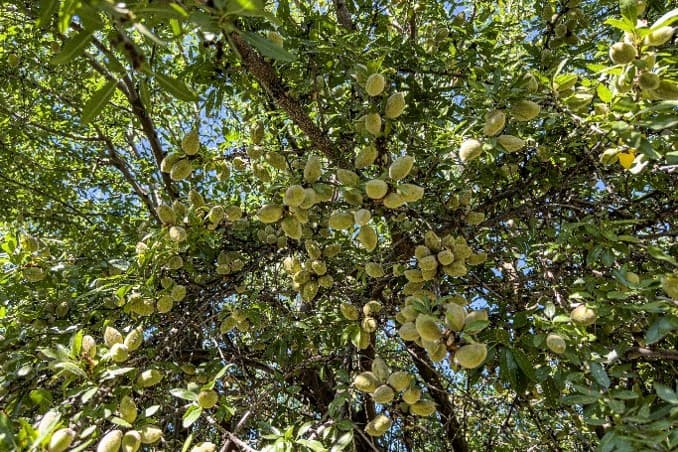
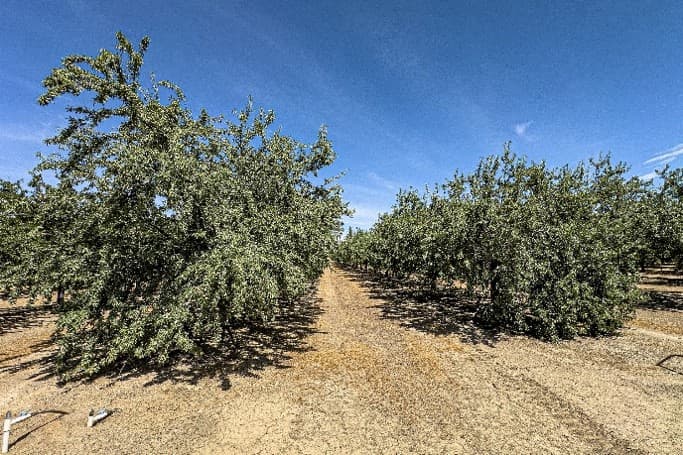
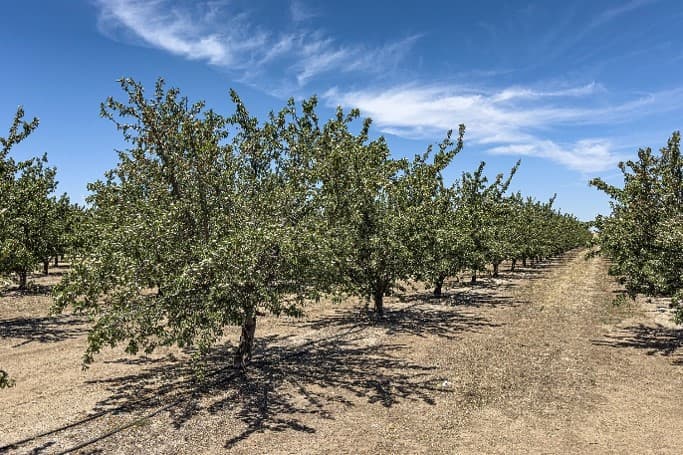
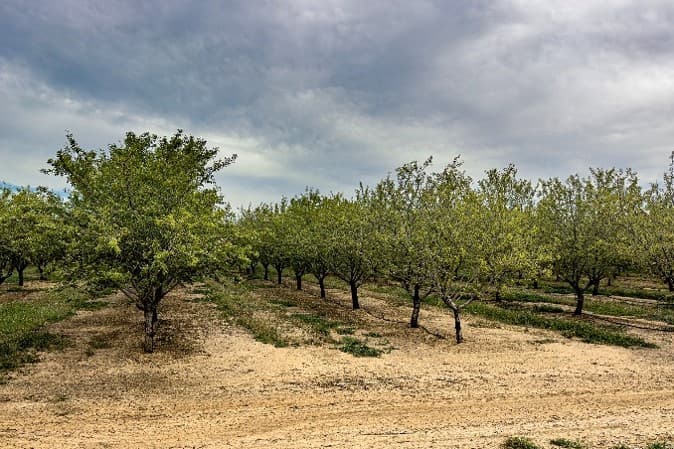
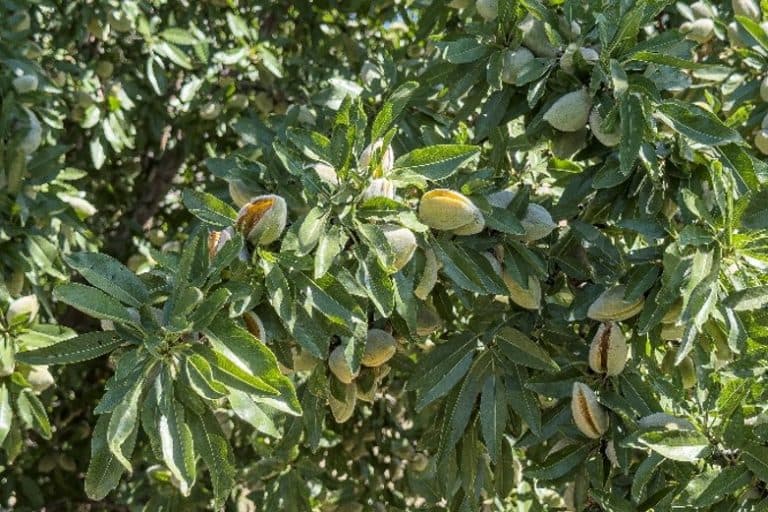
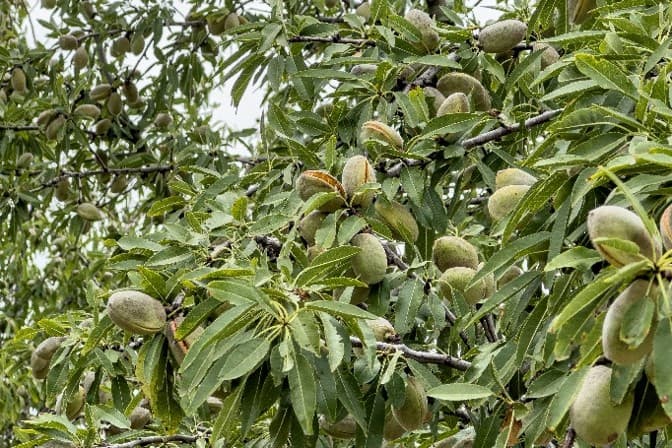
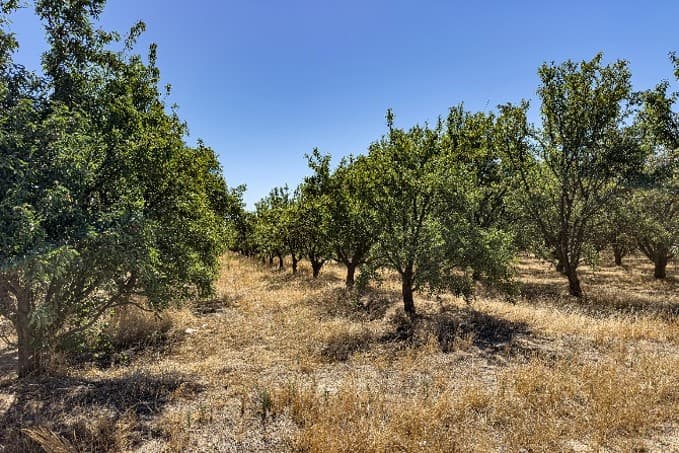
As the 2026 growing season has progressed, economic and agronomic impacts have become more apparent. As seen in the photos accompanying this report, observers in all areas are noting a wide degree of variability in orchard conditions, produced largely by variations in orchard nutritional status and crop load. Rising fertilizer, fuel and energy costs this year have increased economic pressure on all growers, forcing them to make tough decisions. Some orchards are carrying excellent crop loads with vibrant growth, while others have strong crops with no new spur development, indicating poor nutritional status. Plantings with poor crops are also easily found, no doubt reflecting the affects of poor nutritional status in prior years and/or poor pollination during the 2026 bloom. Also shown in the accompanying photo, observers are noting thick hull and shells in all areas. University of California researchers have noted that the elevated temperatures experienced in March immediately after bloom can reduce kernel size and weight. This is becoming more apparent in the visible thickness of hull and shell.
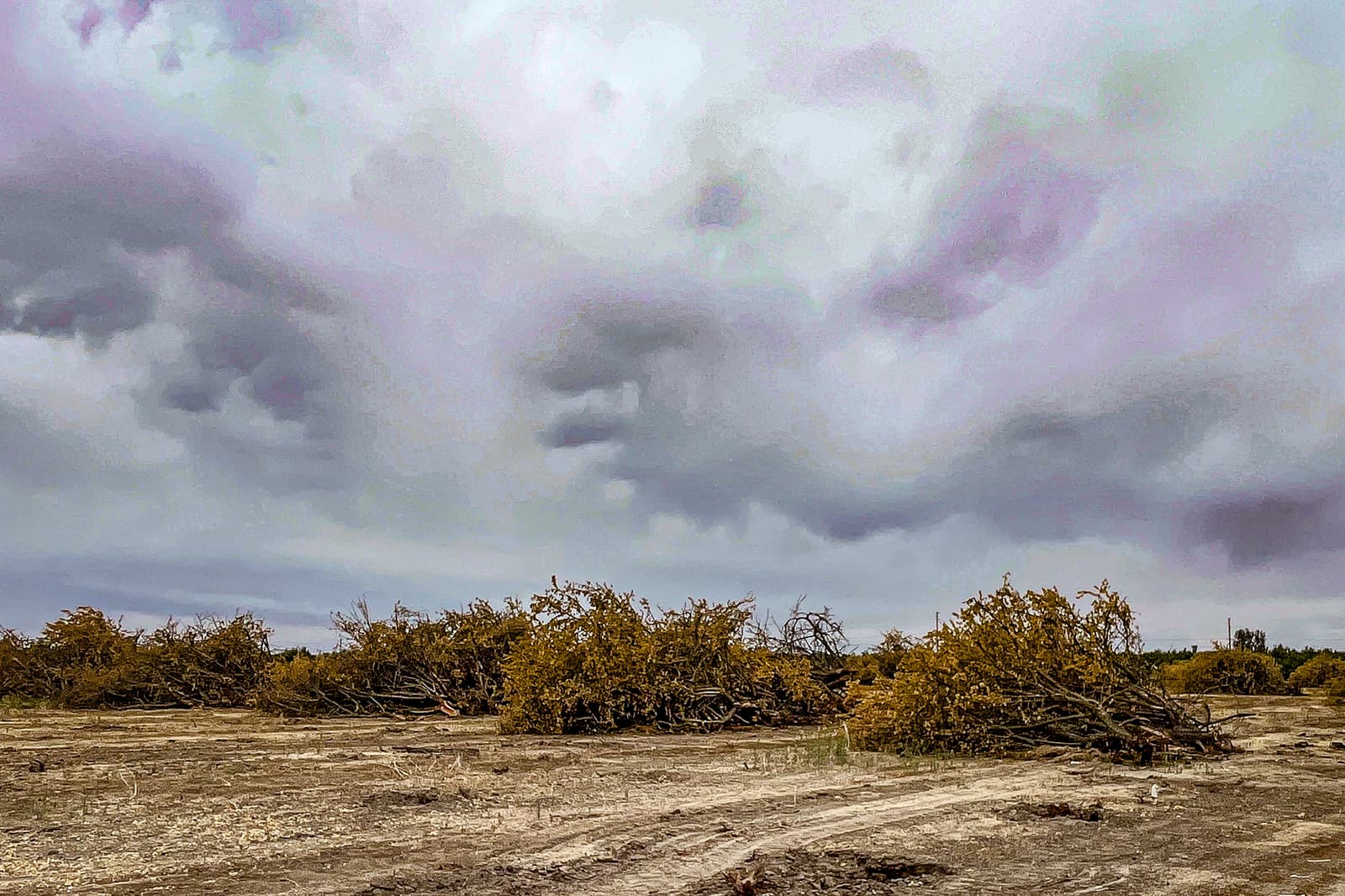
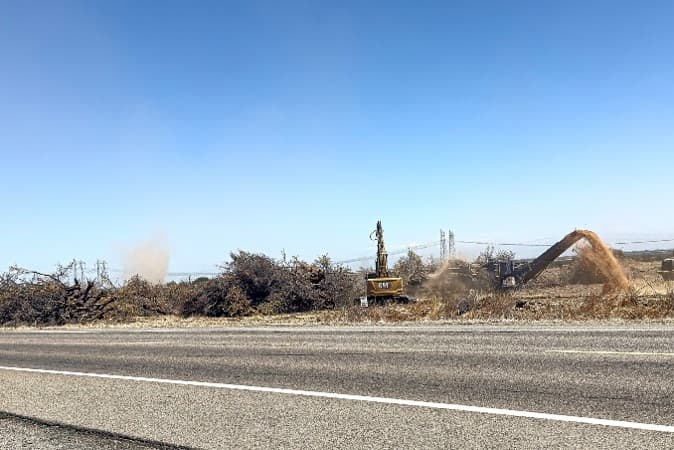
Also apparent is the number of abandoned plantings. Some are recently abandoned and are carrying crop. Others are dead, or nearly so. Those carrying crop loads serve as a navel orangeworm haven, thwarting neighboring growers pest management programs. The number of abandoned plantings, along with the low care orchards, also distorts calculations of average yield across the crop.
Observers are reporting that shaking of the earliest, stressed plantings is expected to begin in mid-July. More vibrant plantings will wait until the final week of the month.
By Mel Machado
Photo Credits: Mel Machado
Northern Conditions and Bloom Status
Current weather at the National Weather Service
Central Conditions and Bloom Status
Current weather at the National Weather Service
Southern Conditions and Bloom Status
Current weather at the National Weather Service